by Barani Chettiar | Apr 16, 2024 | Uncategorized
Definition of Digital Marine Radios
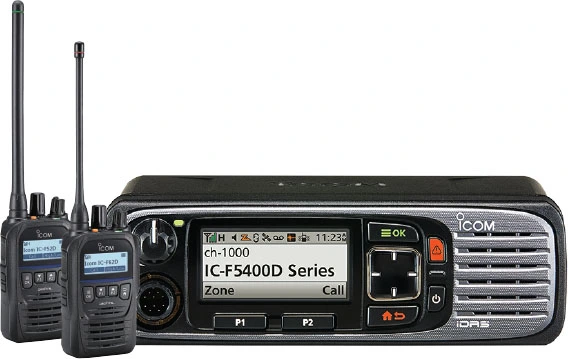
In an era where technology continuously shapes and refines communication systems, digital marine radios have emerged as a transformative force for commercial applications. Unlike their analog counterparts, digital marine radios convert voice signals into binary code, offering a myriad of advantages that redefine communication at sea. In this article, we will explore the distinctive benefits that make digital marine radios the go-to choice for commercial vessels.
Improved Communication Clarity
One of the most significant advantages of digital marine radios is the unparalleled clarity they provide in communication. Digital transmission eliminates background noise and interference, ensuring that messages are heard with exceptional clarity. This enhancement is particularly crucial in the dynamic and often challenging maritime environment, where ambient noise and varying weather conditions can impede effective communication. The clarity offered by digital marine radios translates into better understanding and more precise coordination, ultimately improving operational efficiency on commercial vessels.
Enhanced Security Features
Digital marine radios come equipped with advanced security features that go beyond the capabilities of analog systems. Digital encryption ensures that communications remain confidential and secure, reducing the risk of unauthorized interception. This added layer of security is vital for commercial applications, where sensitive information regarding cargo, routes, or operational strategies needs protection from potential threats. The encryption capabilities of digital marine radios contribute to a safer and more secure communication environment for commercial vessels.
Increased Range and Coverage
Digital marine radios boast superior range and coverage compared to their analog counterparts. The digital signal’s resilience to degradation over distance allows for reliable communication over more extensive areas. This expanded coverage is particularly advantageous for commercial vessels navigating vast open waters or operating in remote regions. The increased range ensures that communication remains consistent, fostering a safer and more connected maritime ecosystem.
Interoperability with Other Systems
Digital marine radios are designed with interoperability in mind, facilitating seamless communication with other digital systems and technologies. This capability enables integration with navigation equipment, radar systems, and other onboard technologies, creating a comprehensive and interconnected maritime communication network. The ability to interface with various systems enhances the overall efficiency of commercial vessel operations, allowing for more streamlined and coordinated efforts.
Real-time Data Transmission Capabilities
Digital marine radios offer real-time data transmission capabilities, enabling the exchange of critical information beyond voice communication. Text messaging, data files, and even GPS coordinates can be transmitted digitally, providing a more comprehensive means of sharing essential data. This feature is invaluable for commercial applications, where timely information exchange can impact decision-making processes, route planning, and response to changing conditions.
Remote Monitoring and Control Options
Digital marine radios often come with remote monitoring and control options, allowing operators to manage and monitor communication systems from a centralized location. This capability streamlines the oversight of multiple vessels within a fleet, enhancing operational control and responsiveness. Remote monitoring ensures that communication systems are functioning optimally and allows for swift intervention in the event of any issues, contributing to a more efficient and well-managed commercial maritime operation.
Digital Marine Radios Offer Numerous Benefits for Commercial Applications
In conclusion, the adoption of digital marine radios marks a significant advancement in communication technology for commercial applications. The improved communication clarity, enhanced security features, increased range and coverage, interoperability with other systems, real-time data transmission capabilities, and remote monitoring options collectively position digital marine radios as a superior choice for modern commercial vessels. Embracing the advantages of digital communication not only elevates operational efficiency but also enhances the safety and security of commercial maritime activities. As technology continues to evolve, digital marine radios stand as a beacon of innovation in the ever-changing seascape of maritime communication.
by Barani Chettiar | Apr 15, 2024 | Uncategorized
Importance of Radio Communication on Ships
In the vast expanse of the open sea, where swift communication can be a matter of safety and operational efficiency, the reliability of radio communication on commercial vessels is paramount. In this article, we’ll explore essential tips for optimizing radio range and signal strength, ensuring seamless and effective communication for commercial vessels navigating the unpredictable waters.
Understanding Radio Frequency Basics
To optimize radio range and signal strength, it’s crucial to comprehend the basics of radio frequency (RF). Different frequencies behave differently in maritime environments, affected by factors such as weather conditions and the surrounding topography. Familiarize yourself with the frequency bands allocated for maritime communication and understand how they may be influenced by atmospheric conditions. This foundational knowledge forms the basis for implementing effective strategies to enhance radio communication.
Choosing the Right Antenna Placement
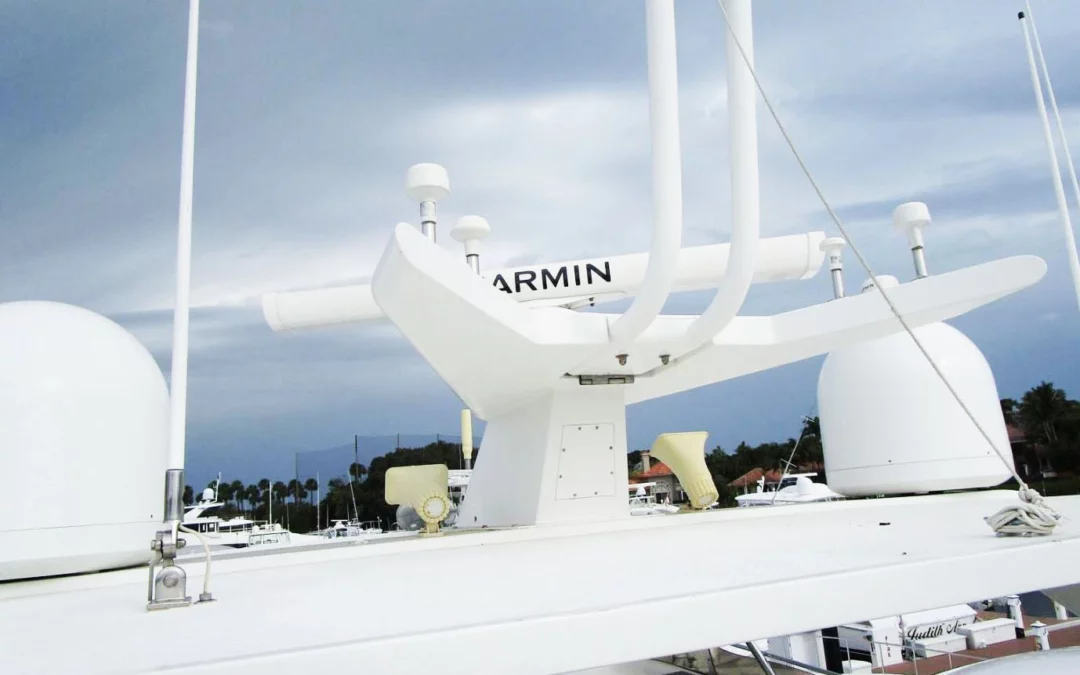
The placement of your antennas plays a pivotal role in maximizing radio range and signal strength. Ensure that antennas are mounted as high as possible and free from obstructions. Elevated antennas have a clearer line of sight, minimizing potential obstacles that could impede signal transmission. Additionally, antennas should be positioned away from other electronic equipment and metallic structures to prevent interference. Strategic antenna placement is a fundamental step in optimizing communication capabilities on commercial vessels.
Minimizing Signal Interference
Signal interference can significantly impact radio communication on ships. Identify and minimize sources of interference, such as electronic devices, onboard machinery, or nearby vessels transmitting on the same frequency. Insulate wiring to reduce electromagnetic interference, and regularly inspect and maintain equipment to prevent malfunctions that could contribute to signal degradation. By actively minimizing interference sources, you enhance the clarity and reliability of your radio communications.
Proper Maintenance of Radio Equipment
Regular maintenance is the cornerstone of optimal radio performance. Conduct routine inspections to check for loose connections, damaged cables, or corrosion on antennas. Ensure that all components are securely fastened and functioning correctly. Clean and inspect the radio equipment for any signs of wear or water damage. Consistent maintenance not only prevents unexpected failures but also contributes to the longevity and reliability of your communication systems.
Utilizing Signal Boosters and Repeaters
In areas where radio signals may struggle to reach, consider implementing signal boosters or repeaters. Signal boosters amplify weak signals, extending the effective range of your communication. Repeaters receive and retransmit signals, bridging gaps in coverage. While these devices can be valuable in enhancing communication capabilities, it’s essential to choose reputable and marine-grade equipment to ensure durability and reliability in challenging maritime conditions.
Conducting Regular Range Testing
Regular range testing is a proactive approach to assess and optimize radio performance. Conduct tests in various weather conditions and geographic locations to evaluate the reach and clarity of your signals. This practice not only helps identify potential issues but also allows you to adjust settings or upgrade equipment based on real-world performance. Incorporate range testing into your routine maintenance schedule to continuously optimize radio range and signal strength.
Ensuring Reliable Communication at Sea
In the dynamic and ever-changing environment of the open sea, reliable communication is the bedrock of maritime safety and efficiency. By understanding radio frequency basics, choosing optimal antenna placement, minimizing interference, conducting proper maintenance, utilizing signal boosters, and regularly testing radio range, commercial vessels can enhance their communication capabilities. These proactive measures not only contribute to the safety of the crew and the vessel but also ensure that communication remains robust in the face of the unpredictable challenges posed by the open waters. Prioritizing these tips will undoubtedly optimize radio range and signal strength, fostering effective communication for commercial vessels on every journey.
by Barani Chettiar | Apr 13, 2024 | Uncategorized
Importance of Marine Radios in Boating Safety
Navigating the open waters demands clear and reliable communication, making marine radios an indispensable tool for boating safety. Whether you’re a seasoned sailor or a casual boater, understanding the differences between handheld and fixed marine radios is crucial in ensuring you choose the right communication equipment for your needs. In this article, we’ll delve into the characteristics, advantages, and considerations of both types to help you make an informed decision.
Handheld Marine Radios: Portable and Versatile Communication Tool
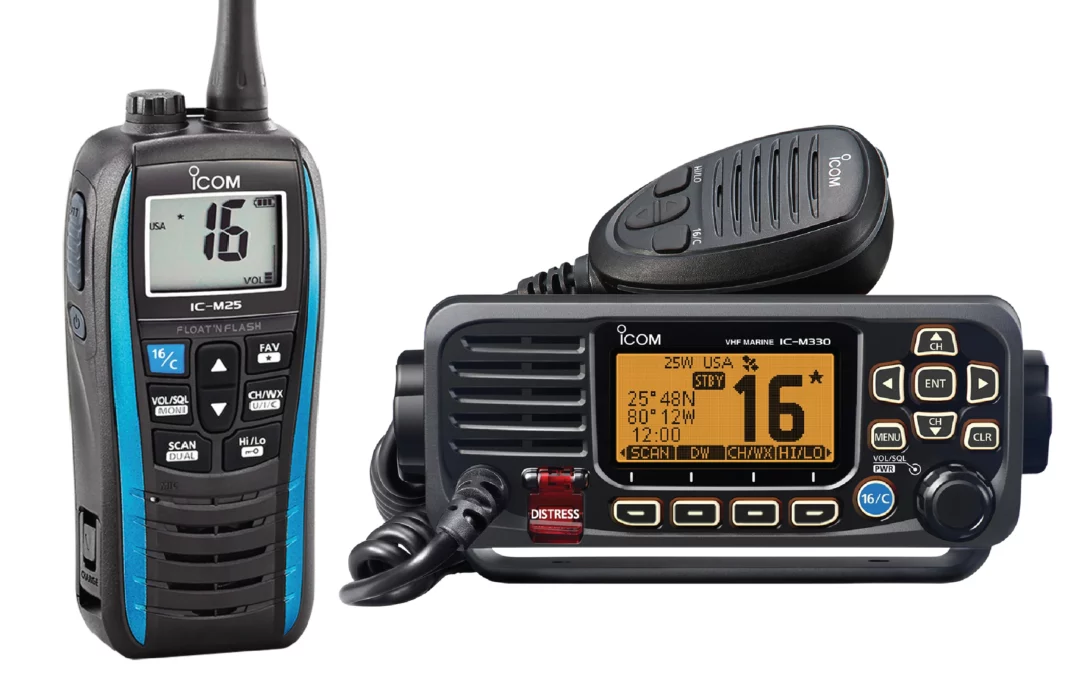
Handheld marine radios are the go-to choice for boaters who prioritize portability and versatility. These compact devices can be easily carried on board or even taken ashore, providing a convenient means of communication wherever you go. Ideal for short-range communications, handheld radios are perfect for small vessels, dinghies, or situations where mobility is key. Their user-friendly interface and lightweight design make them a popular choice for recreational boaters and those who may need to communicate on land.
Fixed Marine Radios: Mounted on Boats for Constant Communication
Fixed marine radios, on the other hand, are permanently mounted on boats, offering constant and reliable communication. Designed for long-range communication, fixed radios are equipped with more powerful transmitters and larger antennas. These radios are the preferred choice for larger vessels covering greater distances, ensuring a consistent signal even in challenging conditions. The fixed installation also allows for integration with other navigation equipment, providing a seamless communication system for comprehensive on-water operations.
Range and Coverage: Differences in Signal Reach and Reliability
One of the primary distinctions between handheld and fixed marine radios lies in their range and coverage capabilities. Handheld radios are typically designed for shorter distances, making them suitable for close-quarter communication within a vessel or between nearby boats. In contrast, fixed radios boast a more extensive range, allowing for communication over larger expanses of water. This difference is a crucial factor to consider based on the size of your vessel and the distances you plan to cover during your maritime journeys.
Power Source: Battery-Operated vs. Wired Connection
Power source considerations are integral when choosing between handheld and fixed marine radios. Handheld radios are generally battery-operated, offering flexibility and mobility. It’s essential to carry spare batteries or have a reliable charging solution for extended trips. On the other hand, fixed marine radios are typically wired to the boat’s power supply, eliminating concerns about battery life during prolonged use. This distinction highlights the need to evaluate your boating habits and preferences to determine the most suitable power source for your communication needs.
Features and Functions: Comparison of Capabilities for Communication Needs
Both handheld and fixed marine radios come equipped with essential features such as weather channels, emergency alerts, and the ability to communicate on standard maritime frequencies. However, fixed radios often offer additional functionalities like Digital Selective Calling (DSC), which facilitates automated distress calls and position sharing. When comparing features, assess your specific communication requirements, considering factors like GPS integration, weatherproofing, and ease of use.
Pros and Cons: Benefits and Limitations of Each Type
Understanding the advantages and limitations of handheld and fixed marine radios is crucial for making an informed decision. Handheld radios offer portability, versatility, and ease of use but may have limited range and shorter battery life. Fixed radios provide robust, constant communication over longer distances but require professional installation and lack the mobility of handheld options. Consider your boating style, vessel size, and communication priorities to determine which set of benefits aligns best with your needs.
Choosing the Right Radio: Factors to Consider When Selecting a Marine Radio
Selecting the right marine radio involves evaluating several factors. Consider the size of your vessel, the range you intend to cover, your power preferences, and the specific features that align with your communication needs. Additionally, factor in your budget and willingness to invest in either a handheld or fixed radio system. Making an informed decision ensures you have reliable communication equipment tailored to your boating adventures.
Understanding the Right Marine Radio for You
In the world of boating, communication is the key to safety and success. Understanding the nuances between handheld and fixed marine radios empowers boaters to make informed decisions based on their specific needs and preferences. Whether you prioritize portability and versatility or constant, long-range communication, the right marine radio can enhance your on-water experiences and contribute to a safer maritime journey.
by Barani Chettiar | Apr 12, 2024 | Uncategorized
Navigational tools are the backbone of commercial fishing, playing a pivotal role in ensuring safety and efficiency at sea. Among these tools, navigational charts and maps stand out as indispensable assets for a successful fishing expedition. In this article, we delve into the importance of these tools, explore the types of navigational charts available, discuss how to read nautical maps effectively, highlight the role of technology in navigation, emphasize the benefits of local knowledge, and provide insights into planning routes for the best catches.
Importance of Navigational Tools
For commercial fishermen, navigational tools are not merely accessories; they are lifelines ensuring the safety of both crew and vessel. Accurate charts and maps are crucial for plotting courses, avoiding hazards, and determining the best fishing spots. In the unpredictable marine environment, where weather conditions can change rapidly, relying on navigational tools is essential for making informed decisions and ensuring a successful fishing venture.
Types of Navigational Charts
Navigational charts come in two primary forms: electronic charts and traditional paper charts. Electronic charts, powered by GPS technology, offer real-time data and ease of use. On the other hand, paper charts provide a tangible backup and are often favored by experienced fishermen who appreciate the tactile nature of traditional navigation. The choice between electronic and paper charts often depends on personal preference, with many opting for a combination of both for redundancy.
How to Read Nautical Maps
Understanding how to interpret nautical maps is a fundamental skill for any commercial fisherman. Nautical maps are rich with symbols, depths, and features that convey critical information about the underwater landscape. Fishermen must familiarize themselves with symbols representing buoys, navigational aids, and potential hazards. Additionally, understanding contour lines and depth markings is essential for identifying promising fishing grounds and avoiding dangerous areas.
Using Technology in Navigation
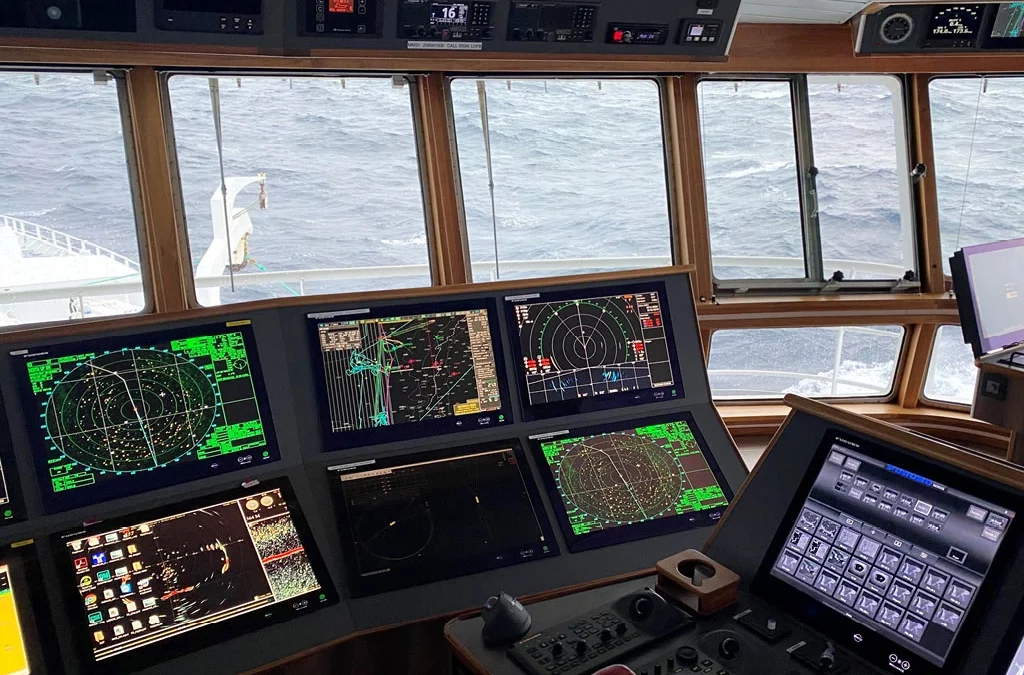
In the modern era, technology has revolutionized navigation for commercial fishermen. Global Positioning System (GPS) devices, sonar systems, and fish finders provide invaluable assistance in locating fish and navigating complex waterways. GPS devices offer precise location information, while sonar and fish finders help identify underwater structures and fish schools. Integrating these technologies into navigation strategies significantly enhances the efficiency and success of commercial fishing operations.
Benefits of Local Knowledge
While advanced technology has its merits, the value of traditional, local knowledge should not be underestimated. Experienced fishermen often possess insights into the intricacies of specific fishing grounds, including seasonal fish movements, underwater topography, and local weather patterns. Collaborating with local fishermen and incorporating their knowledge into navigation plans can lead to more productive fishing trips and a deeper understanding of the marine environment.
Planning Routes for Best Catches
Strategic planning of fishing routes is a key element of commercial fishing success. Navigational charts and maps facilitate the identification of potential hotspots, taking into account factors such as water depth, temperature, and underwater structures. By analyzing this information, fishermen can optimize their routes to increase the likelihood of successful catches and minimize time spent in less productive areas.
Navigational Tools Crucial for Fishing Prosperity
In conclusion, navigational charts and maps are indispensable tools for commercial fishermen seeking success on the open waters. The importance of these tools for safety, efficiency, and strategic planning cannot be overstated. Whether utilizing electronic charts, traditional paper charts, or a combination of both, integrating technology with local knowledge ensures a comprehensive approach to navigation, leading to prosperous and fruitful commercial fishing endeavors.

by Barani Chettiar | Apr 11, 2024 | Uncategorized
Importance of Marine Radios in Fisheries
In the dynamic and challenging world of fisheries, effective communication and surveillance are essential for sustainable management. Marine radios play a pivotal role in facilitating communication among fishing vessels, monitoring illegal fishing activities, integrating with surveillance systems for enhanced monitoring, and supporting emergency response and search & rescue operations. This article delves into the multifaceted role of marine radios in fisheries management and surveillance.
Role in Communication Among Fishing Vessels
Communication is the backbone of successful fisheries management, enabling coordination and collaboration among fishing vessels. Marine radios provide a reliable and immediate means of communication at sea, allowing vessels to share information about their location, catch sizes, and potential challenges. This real-time communication fosters efficient decision-making, aids in avoiding collisions, and contributes to the overall safety and productivity of fishing operations.
Aid in Monitoring Illegal Fishing Activities
Illegal, unreported, and unregulated (IUU) fishing pose significant threats to the sustainability of marine resources. Marine radios play a crucial role in monitoring and combating such activities. Fishing vessels equipped with radios can report suspicious behavior, communicate with authorities, and participate in coordinated efforts to deter illegal fishing. The ability to quickly share information about unauthorized activities enhances the effectiveness of surveillance and enforcement measures, contributing to the conservation of fish stocks.
Integration with Surveillance Systems for Enhanced Monitoring
The integration of marine radios with advanced surveillance systems further amplifies their impact on fisheries management. Automated identification systems (AIS) and vessel monitoring systems (VMS) can be linked with marine radios to provide comprehensive monitoring capabilities. This integration allows authorities to track vessel movements, verify compliance with fishing regulations, and promptly respond to any deviations or suspicious activities. The synergy between marine radios and surveillance systems enhances the overall efficiency of fisheries management strategies.
Emergency Response and Search & Rescue Operations
In the unpredictable marine environment, emergencies can arise, necessitating swift and effective responses. Marine radios serve as crucial tools in emergency situations, enabling distressed vessels to communicate their position, request assistance, and coordinate search & rescue operations. The use of standardized distress frequencies, such as Channel 16 on VHF radios, ensures that distress calls are quickly and reliably transmitted, facilitating rapid response from nearby vessels or maritime authorities.
Regulations and Requirements for Radio Use
The use of marine radios in fisheries is subject to international regulations and guidelines to maintain a standardized approach and ensure effective communication. The International Telecommunication Union (ITU) and the International Maritime Organization (IMO) establish rules governing radio frequencies, equipment specifications, and operational procedures. Fisheries authorities may also implement specific regulations to address the unique communication needs of their regions. Compliance with these regulations is essential for fostering a coordinated and secure communication environment in fisheries.
Marine Radios Crucial for Sustainable Fisheries Management
In conclusion, marine radios play a pivotal role in the multifaceted arena of fisheries management and surveillance. From facilitating communication among fishing vessels to aiding in monitoring illegal activities, integrating with advanced surveillance systems, and supporting emergency response and search & rescue operations, marine radios are indispensable tools in ensuring the sustainability of marine resources. The adherence to regulations and requirements for radio use further underscores the importance of a standardized and efficient communication framework. By embracing the multifunctional capabilities of marine radios, fisheries can be managed more effectively, promoting responsible practices and contributing to the long-term health and viability of marine ecosystems.
