by Barani Chettiar | Apr 10, 2024 | Uncategorized
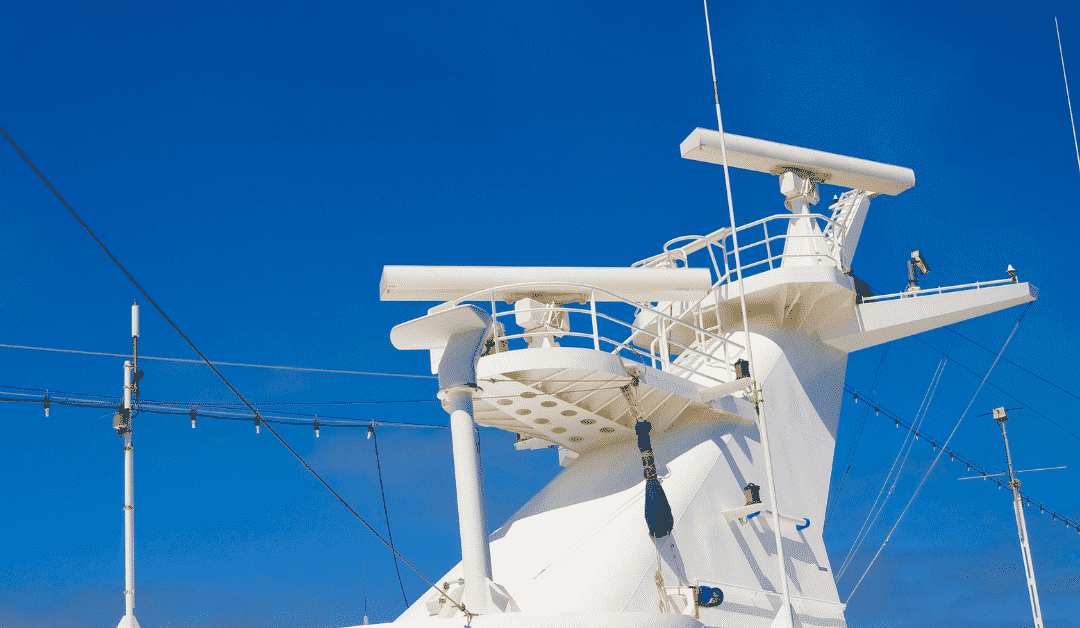
Navigating the open seas is a complex endeavor that demands precision and safety. In this challenging environment, marine radars emerge as crucial tools for sailors, playing a pivotal role in navigation and collision avoidance. This article explores the significance of marine radars, their importance in navigation, collision avoidance features, different types available, regulations, best practices, and offers a glimpse into the future trends shaping marine radar technology.
Overview of Marine Radars
Marine radars are advanced electronic systems designed to detect and locate objects in the vicinity of a vessel. Using radio waves, these radars emit signals that bounce off objects, providing real-time information about their distance, direction, and speed. This capability is invaluable for sailors, offering enhanced situational awareness and aiding in safe navigation, especially in adverse weather conditions or low visibility scenarios.
Importance in Navigation
The primary role of marine radars is to provide navigators with a clear picture of their surroundings, allowing them to identify potential obstacles, other vessels, and navigational aids. This information is vital for charting a safe course, especially when approaching shorelines, navigating through congested waterways, or dealing with poor weather conditions. Marine radars significantly contribute to overall navigation safety, enabling sailors to make informed decisions and avoid collisions.
Collision Avoidance Features
Marine radars are equipped with advanced features specifically designed to enhance collision avoidance. Automatic Radar Plotting Aid (ARPA) is a noteworthy feature that tracks the movements of other vessels, predicts their future positions, and assesses potential collision risks. Alarms and alerts are triggered when a potential hazard is detected, prompting the navigator to take corrective action. These features are critical in preventing accidents at sea and ensuring the safety of both the vessel and its crew.
Types of Marine Radars
There are various types of marine radars available, each catering to specific needs and vessel sizes. X-band and S-band radars are the most common, with X-band being suitable for smaller vessels and S-band for larger ones. Doppler radar, another variant, provides additional information on the speed and direction of moving targets. Dual-range radars offer the advantage of displaying information from two radar antennas simultaneously, providing a comprehensive view of the surroundings.
Regulations and Best Practices
The use of marine radars is governed by international regulations and best practices to maintain a standardized approach to navigation and safety. The International Maritime Organization (IMO) sets guidelines for the use of radars at sea, covering aspects such as radar installation, maintenance, and operational procedures. Best practices include regular radar checks, calibration, and training for navigators to ensure optimal use of radar systems for safe navigation.
Future Trends in Marine Radar Technology
As technology continues to advance, the future of marine radar holds exciting possibilities. Integration with other navigation systems, such as Electronic Chart Display and Information Systems (ECDIS), promises a more holistic approach to maritime safety. Further developments in automation and artificial intelligence may enhance the capabilities of collision avoidance features, providing even more accurate predictions and reducing the burden on navigators.
Conclusion: Key Role in Maritime Safety
In conclusion, marine radars play a key role in ensuring the safety of maritime navigation. Their ability to provide real-time information about the surroundings, coupled with advanced collision avoidance features, makes them indispensable for sailors. The various types of marine radars cater to different vessel sizes and requirements, and adherence to international regulations and best practices is essential for their effective use. As we look to the future, ongoing technological advancements promise to further enhance the capabilities of marine radar systems, reinforcing their crucial role in maintaining maritime safety.
by Barani Chettiar | Apr 9, 2024 | Uncategorized
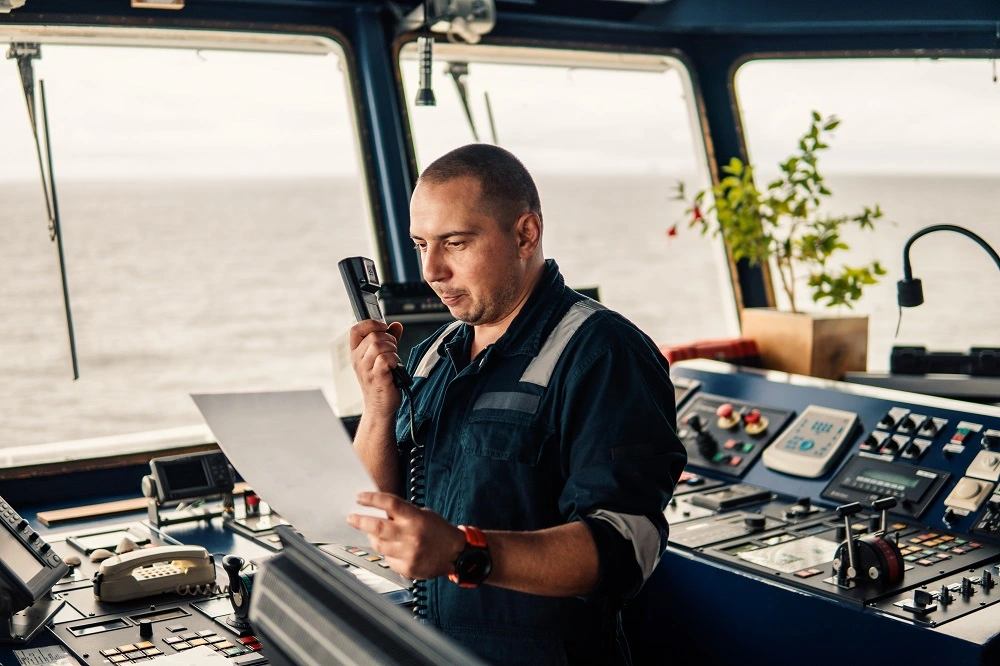
Effective communication is the cornerstone of maritime safety, and for commercial vessels, radio checks and tests are paramount. This article delves into the importance of radio checks, the equipment needed for tests, the process of conducting routine radio checks, emergency communication protocols, interpreting test results, troubleshooting common issues, and concludes with the significance of ensuring radio safety at sea.
Importance of Radio Checks
The importance of radio checks cannot be overstated in the maritime industry. Reliable communication is essential for coordinating movements, avoiding collisions, and responding to emergencies. Regular radio checks ensure that communication equipment is in optimal condition, reducing the risk of communication failure when it matters most. For commercial vessels, where the stakes are high, conducting radio checks is a proactive measure that enhances overall safety at sea.
Equipment Needed for Radio Tests
To conduct radio checks effectively, commercial vessels need essential equipment. The primary tool is, of course, the radio communication system. This includes the very high-frequency (VHF) radio commonly used for short-range communication. Additionally, vessels may have single sideband (SSB) radios for long-range communication. Ensuring that all microphones, antennas, and power sources are in good working order is crucial for accurate testing.
Conducting Routine Radio Checks
Routine radio checks should be a standard practice for commercial vessels before embarking on any journey. To perform a radio check:
- Select a designated frequency: Choose a frequency that is commonly used for radio checks in your region.
- Transmit a test call: Make a brief, standardized test call to ensure that the radio is transmitting properly.
- Listen for a response: Check for replies from other vessels or shore stations, confirming that your transmissions are being received.
Routine checks should also include verifying the clarity of communication, checking for any unusual background noise, and confirming the functionality of emergency channels.
Emergency Communication Protocols
In emergency situations, efficient communication can be a matter of life or death. Commercial vessels must establish and practice emergency communication protocols. This includes using designated distress frequencies, such as Channel 16 on VHF radios, and clearly communicating the nature of the emergency. Regular drills and training ensure that the crew is well-versed in emergency procedures, reducing response time during critical situations.
Interpreting Test Results
Interpreting test results is a crucial step in maintaining radio communication reliability. A successful radio check involves clear, audible transmissions and positive responses from others on the designated frequency. If issues arise during routine checks, further investigation is required. Test results should be logged, and any discrepancies or abnormalities should be addressed promptly to ensure that communication equipment remains in optimal condition.
Troubleshooting Common Issues
When conducting radio tests, it’s not uncommon to encounter issues. Common problems include poor signal strength, distorted transmissions, or complete radio failure. Troubleshooting steps may involve checking antenna connections, inspecting cables for damage, or assessing power sources. Routine maintenance, such as cleaning and inspecting antennas, can prevent many common issues. In cases where troubleshooting onboard does not resolve the problem, seeking professional assistance is imperative.
Ensuring Radio Safety at Sea
In conclusion, the importance of radio checks and tests for commercial vessels cannot be emphasized enough. Regular checks not only ensure that communication equipment is in optimal condition but also contribute to overall maritime safety. Equipping vessels with the necessary tools, following routine radio check procedures, establishing emergency communication protocols, interpreting test results, and promptly addressing issues through troubleshooting are vital steps in maintaining reliable radio communication. By prioritizing radio safety, commercial vessels enhance their ability to navigate and communicate effectively, ensuring the well-being of both crew and vessel in the unpredictable maritime environment.
by Barani Chettiar | Apr 8, 2024 | Uncategorized
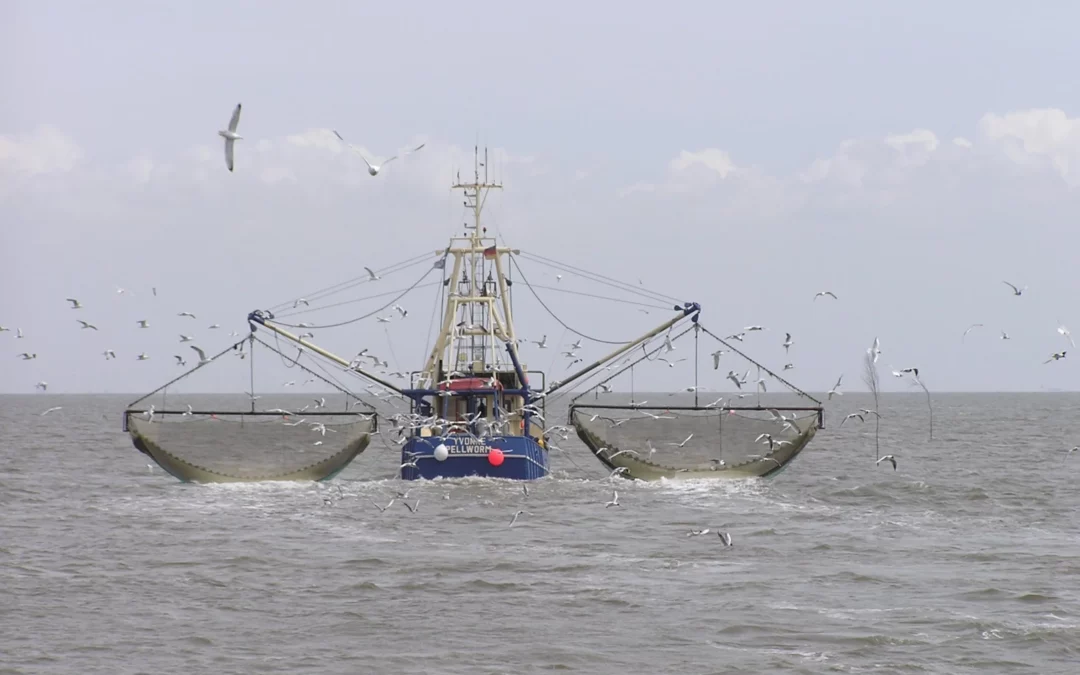
The open sea serves as both a livelihood and a challenge for commercial fishing operations. In this dynamic and often unpredictable environment, effective communication is not just a convenience but a necessity. Marine radio networks and channels play a pivotal role in enhancing the efficiency, safety, and overall success of commercial fishing endeavors. In this article, we explore the various benefits of leveraging marine radio networks in the context of commercial fishing operations.
Importance of Communication at Sea
Effective communication at sea is the backbone of successful commercial fishing operations. The ability to convey critical information, coordinate activities, and respond promptly to changing conditions is paramount. Marine radio networks provide a reliable means of communication, enabling vessels to stay connected over vast distances, even in challenging maritime conditions.
Efficiency through Real-Time Information Exchange
One of the primary benefits of marine radio networks in commercial fishing is the facilitation of real-time information exchange. Vessels can share valuable data about fishing grounds, weather conditions, and catch updates instantly. This timely exchange of information allows for informed decision-making, optimizing fishing strategies, and adapting to evolving situations, ultimately enhancing operational efficiency.
Safety and Emergency Response Enhancements
Safety is a top priority in commercial fishing, where the inherent risks of the sea demand proactive measures. Marine radio networks offer a crucial lifeline for emergency communication. In distress situations or unforeseen challenges, vessels can swiftly transmit distress signals, ensuring a rapid and coordinated response from nearby vessels or maritime authorities. This capability enhances overall safety and contributes to the swift resolution of emergencies.
Coordination for Resource Management
Commercial fishing operations often involve multiple vessels working in proximity. Marine radio networks facilitate seamless coordination among these vessels. Captains and crews can communicate about their activities, share information on fishing yields, and coordinate movements to avoid conflicts. This collaborative approach to resource management fosters a more sustainable and organized approach to commercial fishing.
Compliance with Regulations and Guidelines
In the maritime industry, adherence to regulations and guidelines is imperative for the safety of vessels, crew members, and the marine ecosystem. Marine radio networks ensure compliance with communication protocols and standards set by maritime authorities. This includes using the appropriate radio channels, adhering to frequency regulations, and following emergency communication procedures mandated by international maritime organizations.
Cost Savings and Improved Productivity
Effective communication through marine radio networks contributes to cost savings and improved productivity in commercial fishing operations. By streamlining coordination, vessels can optimize their routes, share information about favorable fishing grounds, and adjust strategies based on real-time insights. This results in reduced fuel consumption, enhanced catch efficiency, and overall improved productivity.
Maximizing Efficiency and Safety at Sea
In conclusion, the benefits of marine radio networks and channels for commercial fishing operations are multifaceted. From ensuring efficient real-time communication and enhancing safety and emergency response capabilities to facilitating coordinated resource management, these networks are indispensable tools on the open sea. Compliance with regulations and guidelines, coupled with the potential for cost savings and increased productivity, further underscores their significance in the commercial fishing industry. As technology continues to advance, leveraging marine radio networks becomes an integral part of maximizing efficiency and safety, allowing commercial fishing operations to navigate the challenges of the sea with confidence and success.
by Barani Chettiar | Apr 6, 2024 | Uncategorized
Overview of EPIRBs in the Marine Industry
In the vast expanse of the open seas, safety is of paramount concern for commercial marine operations. One critical tool that plays a pivotal role in ensuring the safety of vessels and their crews is the Emergency Position-Indicating Radio Beacon (EPIRB). This article provides an in-depth understanding of EPIRBs, their functions, types, compliance with regulations, the activation process, and the overall importance of these devices in the realm of commercial marine operations.
What are EPIRBs: Function and Purpose
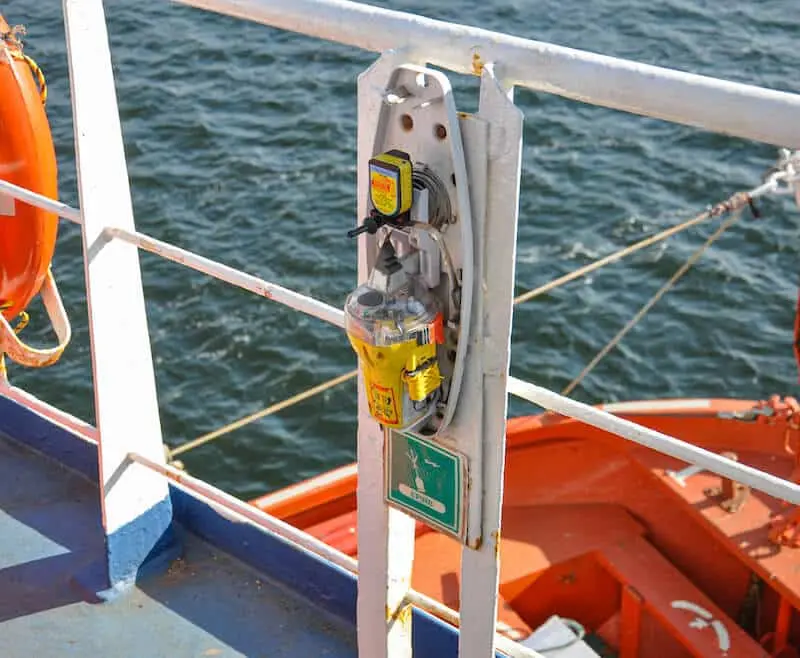
EPIRBs are specialized distress beacons designed to alert search and rescue authorities in the event of an emergency at sea. These compact and rugged devices are equipped with a satellite transmitter that, when activated, broadcasts a distress signal to orbiting satellites. The primary purpose of EPIRBs is to facilitate rapid and accurate location identification of distressed vessels, ensuring timely assistance and rescue operations.
Types of EPIRBs: Category Overview
There are two main categories of EPIRBs – Category I and Category II – each designed to meet specific needs and vessel types.
Category I EPIRBs: These EPIRBs are designed to automatically float free from a sinking vessel and activate upon immersion in water. Equipped with a hydrostatic release mechanism, Category I EPIRBs ensure swift deployment, making them ideal for vessels that may sink rapidly.
Category II EPIRBs: Category II EPIRBs are manually activated and are typically installed in a bracket on a vessel. These devices are suitable for vessels that are less prone to rapid sinking, allowing crew members to initiate distress signals when necessary.
Regulations and Requirements: Compliance for Commercial Use
The use of EPIRBs in commercial marine operations is subject to stringent regulations and requirements set forth by international maritime organizations. The International Maritime Organization (IMO) mandates the installation and proper maintenance of EPIRBs on certain vessels to enhance safety and expedite search and rescue efforts. Commercial vessels are required to have EPIRBs that comply with the Global Maritime Distress and Safety System (GMDSS) regulations, ensuring a standardized approach to distress alerting.
Activation and Transmission Process: How it Works
The activation and transmission process of EPIRBs is designed to be straightforward and efficient, ensuring quick distress signal dissemination. When activated, the EPIRB initiates a distress signal that is transmitted via satellite to search and rescue authorities. This signal contains vital information, including the unique identifier of the EPIRB, the vessel’s identity, and its precise location through GPS technology. Search and rescue teams can then respond promptly to the distress call, improving the chances of a successful outcome in emergency situations.
Benefits of Using EPIRBs: Importance for Safety
The importance of EPIRBs in ensuring the safety of commercial marine operations cannot be overstated. Here are key benefits:
Rapid Distress Alerting: EPIRBs enable rapid and efficient alerting of distress situations, reducing response time and increasing the likelihood of successful search and rescue operations.
Accurate Location Identification: GPS-equipped EPIRBs provide precise location information, allowing search and rescue authorities to pinpoint the distressed vessel’s position quickly and accurately.
Compliance with Regulations: The use of EPIRBs ensures compliance with international regulations, contributing to a standardized approach to maritime safety and distress alerting.
Versatility for Different Vessel Types: The availability of Category I and Category II EPIRBs caters to the diverse needs of commercial vessels, ensuring that different types of vessels can benefit from this crucial safety technology.
Importance of EPIRBs in Marine Operations
In conclusion, EPIRBs are indispensable tools for ensuring the safety of commercial marine operations. By complying with international regulations and utilizing these distress beacons, vessels enhance their emergency response capabilities, improve location accuracy during distress situations, and contribute to a safer maritime environment. As a critical component of the broader safety infrastructure, EPIRBs play a pivotal role in mitigating risks and facilitating timely assistance in emergencies at sea. Commercial marine operations must prioritize the adoption and proper maintenance of EPIRBs to navigate the waters with confidence and safeguard the well-being of crews and vessels alike.

by Barani Chettiar | Apr 5, 2024 | Uncategorized
In the challenging and unpredictable environment of the open sea, reliable communication is the lifeline for commercial fishermen. A crucial tool in their arsenal is the marine radio, a device that transcends mere communication by providing safety, coordination, and a sense of security. This guide aims to assist commercial fishermen in making informed decisions when choosing the right marine radio, exploring types, essential features, regulations, top recommendations, and maintenance tips.
Importance of Marine Radios in the Fishing Industry
The fishing industry demands effective communication for successful operations, safety, and emergency response. Marine radios serve as a vital means of connecting vessels, coordinating activities, and ensuring that crucial information is conveyed swiftly and accurately. In the vast expanses of open water, the significance of reliable communication cannot be overstated.
Types of Marine Radios: VHF vs. MF/HF Radios
VHF Radios:
- Frequency: Very High Frequency (VHF) radios are commonly used for short-range communication.
- Range: Ideal for coastal and inland waters, with a typical range of up to 25 nautical miles.
- Advantages: Clear communication, less affected by atmospheric conditions, and widely adopted in the maritime community.
MF/HF Radios:
- Frequency: Medium Frequency (MF) and High Frequency (HF) radios are suitable for long-range communication.
- Range: Capable of long-distance communication, making them valuable for offshore and long-haul fishing operations.
- Advantages: Extended range, especially in areas with limited VHF coverage, and global communication capabilities.
Features to Consider
Waterproofing:
- Essential for marine radios due to exposure to water, spray, and adverse weather conditions.
- Look for radios with robust waterproofing standards, ensuring durability in the marine environment.
Range:
- Assess the operational range of the radio based on the fishing areas you frequent.
- Consider the topography of the waters you navigate and select a radio with an appropriate range to meet your communication needs.
Extra Functions:
- Some marine radios come equipped with additional features such as built-in GPS, Digital Selective Calling (DSC), and Automatic Identification System (AIS).
- Evaluate the extra functions based on your specific requirements and the nature of your fishing operations.
Regulations and Compliance
Safety Requirements for Commercial Fishermen:
- Familiarize yourself with local and international regulations governing marine radio usage.
- Ensure compliance with safety standards, including the carriage of required communication equipment on board.
Best Marine Radios for Fishing
Considering the diverse needs of commercial fishermen, several reputable brands and models stand out:
Icom M506:
- VHF radio with integrated AIS receiver for enhanced safety.
- Intuitive user interface and large display for easy operation.
Standard Horizon GX2200:
- VHF radio with built-in GPS and DSC functionality.
- Compact design with a variety of scanning options.
Furuno FS1575:
- MF/HF radio designed for long-range communication.
- Robust construction suitable for offshore and deep-sea fishing.
Maintenance Tips
Keeping Your Radio in Top Condition:
- Regularly inspect and clean the radio and its components, paying attention to connectors and antennas.
- Test the functionality of waterproof seals and replace them if damaged.
- Follow the manufacturer’s guidelines for software updates and firmware maintenance.
Conclusion
In the vast and challenging expanse of the open sea, choosing the right marine radio is not just a matter of convenience but a critical decision that can impact the safety and success of commercial fishermen. Whether navigating coastal waters or venturing into the deep sea, a reliable and well-maintained marine radio ensures seamless communication, emergency response capabilities, and adherence to safety regulations. By understanding the types of marine radios, essential features, compliance requirements, and exploring top recommendations, commercial fishermen can make informed choices that contribute to the overall efficiency and safety of their operations. In the maritime world, the importance of reliable communication at sea cannot be overstated, making the selection of the right marine radio an indispensable aspect of a successful fishing venture.
