by Barani Chettiar | Apr 4, 2024 | Uncategorized
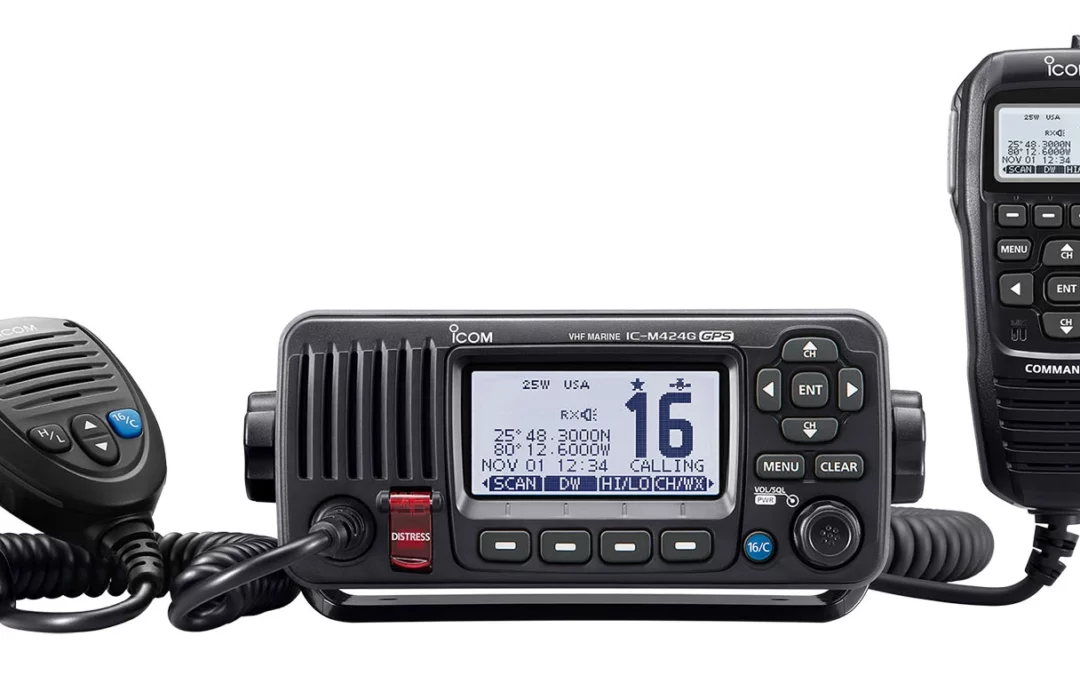
Importance of GPS in Marine Communication
In the vast expanse of the open sea, where precision and reliability are paramount, the integration of Global Positioning System (GPS) technology into marine radio systems has revolutionized communication and navigation for seafarers. In this article, we delve into the multifaceted advantages of GPS integration, ranging from enhanced navigation to improved safety features, efficiency gains, communication enhancements, and positive environmental impacts.
Enhanced Navigation: Improving Accuracy and Reliability
The cornerstone of effective maritime communication lies in precise navigation. GPS integration in marine radio systems offers unparalleled accuracy in determining a vessel’s position, ensuring that captains and navigators can plot their course with confidence. Unlike traditional navigation methods that rely on charts and celestial navigation, GPS provides real-time information, significantly reducing the margin of error. This enhanced accuracy not only improves overall navigation but also aids in avoiding obstacles, optimizing routes, and ensuring vessels stay on course even in adverse weather conditions.
Safety Features: Emergency Response Capabilities
In emergency situations at sea, time is often the critical factor between a successful response and a potential disaster. GPS integration equips marine radio systems with emergency response capabilities that can be a game-changer in distress situations. When a distress call is transmitted over the radio, the embedded GPS coordinates are automatically included, allowing swift and precise identification of the distressed vessel’s location. This feature streamlines search and rescue operations, ensuring that help arrives at the right place in the shortest possible time.
Efficiency and Cost Savings: Optimal Route Planning
Efficiency in maritime operations is not just about speed but also about the optimal use of resources. GPS integration enables vessels to plan routes with precision, taking into account factors such as current weather conditions, sea currents, and traffic patterns. By selecting the most efficient routes, vessels can reduce fuel consumption, cut down on travel time, and ultimately realize substantial cost savings. This level of route optimization goes beyond traditional navigation methods, showcasing the economic benefits of GPS integration in marine radio systems.
Communication Enhancement: Real-Time Updates and Coordination
In the dynamic environment of the open sea, effective communication is key to safe and coordinated operations. GPS integration enhances communication by providing real-time updates on the positions of multiple vessels. Captains and crews can share their precise locations, intentions, and status, fostering a collaborative and informed approach to navigation. This level of real-time coordination reduces the risk of collisions, streamlines traffic in busy maritime areas, and enhances overall situational awareness for all vessels involved.
Environmental Impact: Reduced Fuel Consumption
Beyond the operational advantages, GPS integration in marine radio systems contributes to a more sustainable maritime industry. By enabling optimal route planning, vessels can minimize fuel consumption and, consequently, reduce their carbon footprint. The environmental impact of reduced fuel consumption is significant, aligning with global efforts to promote eco-friendly practices in all industries, including maritime. GPS-equipped marine radio systems play a role in fostering a more environmentally conscious approach to navigation and vessel management.
Advantages of Integrating GPS in Marine Radios
In the ever-evolving landscape of maritime technology, the integration of GPS into marine radio systems stands as a transformative development. From enhanced navigation and safety features to efficiency gains, communication enhancements, and positive environmental impacts, the benefits are far-reaching. Vessels equipped with GPS-integrated marine radio systems not only navigate with unprecedented accuracy but also contribute to safer, more efficient, and environmentally conscious maritime practices. As the maritime industry continues to embrace technological advancements, the integration of GPS in marine radio systems remains a beacon of progress, ensuring that vessels traverse the seas with precision, safety, and environmental responsibility.
by Barani Chettiar | Apr 3, 2024 | Uncategorized
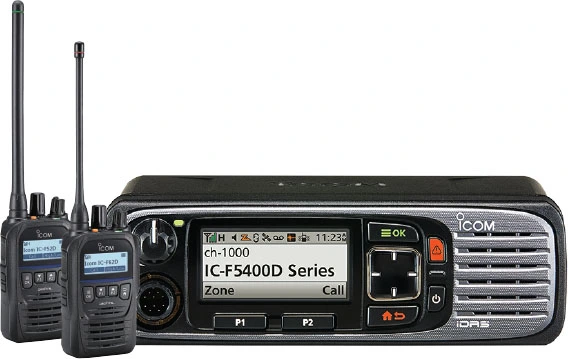
In the ever-evolving world of maritime communication, digital radio systems have emerged as powerful tools for enhancing connectivity, safety, and operational efficiency in commercial marine applications. In this blog, we’ll explore the numerous benefits that digital radio systems offer to commercial vessels, from improved communication clarity to enhanced safety features and regulatory compliance.
Enhanced Communication: Clarity and Coverage Improvement
One of the primary advantages of digital radio systems in commercial marine applications is their ability to deliver enhanced communication clarity and coverage. Unlike traditional analog systems, digital radios offer superior audio quality, free from the static, interference, and distortion often associated with analog transmissions. This ensures clear and reliable communication between crew members, vessel operators, and shore-based stations, even in challenging environmental conditions or over long distances.
Digital radio systems also provide extended coverage ranges, allowing vessels to communicate effectively over larger geographic areas without experiencing signal degradation. This extended coverage is particularly beneficial for vessels operating in remote or offshore regions where traditional communication methods may be limited.
Safety Features: Automatic Distress Signals, GPS Integration
Safety is paramount in the maritime industry, and digital radio systems offer several advanced features designed to enhance safety at sea. One such feature is the automatic distress signal capability, which allows vessels to transmit distress alerts automatically in the event of an emergency. These distress signals include crucial information such as the vessel’s identity, location, and nature of the emergency, facilitating swift and coordinated rescue operations.
Furthermore, many digital radio systems offer integrated GPS functionality, enabling vessels to transmit their precise location information along with distress signals. This integration enhances the accuracy and effectiveness of search and rescue efforts by providing rescuers with real-time information about the vessel’s location, thereby reducing response times and increasing the likelihood of successful outcomes in emergency situations.
Efficiency in Operations: Real-time Data Transmission
Digital radio systems facilitate efficient and streamlined operations in commercial marine settings by enabling real-time data transmission and communication. Crew members can quickly and easily share information, coordinate tasks, and respond to changing conditions without delays or interruptions. This real-time communication capability is particularly valuable for vessels engaged in time-sensitive operations such as cargo shipping, fishing, or offshore support services, where prompt decision-making and action are essential for success.
Additionally, digital radio systems support the transmission of data beyond voice communication, allowing vessels to exchange vital operational information, navigational data, and weather updates in real-time. This data exchange capability enhances situational awareness, enables proactive decision-making, and contributes to overall operational efficiency and productivity.
Cost-effectiveness: Reduced Maintenance and Downtime Costs
While the initial investment in digital radio systems may be higher than traditional analog systems, they offer significant cost savings over the long term. Digital radios require less maintenance compared to analog counterparts, as they are less susceptible to wear and tear, signal degradation, and component failure. This reduces maintenance expenses and downtime associated with repairs, replacements, and system upgrades, resulting in lower overall operating costs for vessel owners and operators.
Furthermore, the enhanced reliability and performance of digital radio systems contribute to increased operational uptime, reducing the risk of communication failures and associated losses due to missed opportunities, delays, or disruptions in service.
Regulatory Compliance: Meeting Industry Standards and Requirements
In today’s highly regulated maritime environment, compliance with industry standards and regulatory requirements is essential for vessel operators. Digital radio systems are designed to meet and exceed stringent regulatory standards set forth by organizations such as the International Maritime Organization (IMO), the Federal Communications Commission (FCC), and other regulatory bodies.
By investing in digital radio systems that comply with industry standards and regulations, vessel operators can ensure that their communication infrastructure meets the necessary safety, security, and operational requirements, minimizing the risk of regulatory violations, fines, or penalties.
Advantages of Digital Radios in Marine Settings
In conclusion, digital radio systems offer a multitude of benefits for commercial marine applications, ranging from enhanced communication clarity and coverage to advanced safety features, operational efficiency, cost-effectiveness, and regulatory compliance. By leveraging the capabilities of digital radio systems, vessel operators can improve communication reliability, enhance safety, streamline operations, reduce costs, and maintain compliance with industry standards and regulations. As the maritime industry continues to evolve, digital radio systems will play an increasingly important role in shaping the future of communication and connectivity at sea.

by Barani Chettiar | Apr 2, 2024 | Uncategorized
Importance of Navigational Tools for Fishermen
For commercial fishermen, navigating the open waters is not just a matter of reaching a destination but also about ensuring safety, maximizing efficiency, and optimizing catch opportunities. In this blog, we’ll explore the essential navigational tools that are indispensable for commercial fishermen, helping them navigate, locate fish, monitor weather conditions, and ensure a successful fishing expedition.
GPS Systems: Key Features and Benefits
Global Positioning System (GPS) technology has revolutionized marine navigation, providing accurate positioning information and navigation aids for fishermen. GPS systems offer key features such as:
Precise Positioning: GPS provides accurate latitude and longitude coordinates, enabling fishermen to pinpoint their exact location on the water.
Waypoint Marking: Fishermen can mark waypoints to record productive fishing spots, navigational hazards, or points of interest for future reference.
Route Planning: GPS allows fishermen to plan and navigate routes, set waypoints, and create tracks to follow predefined paths with ease.
Emergency Position Indicating: In case of emergencies, GPS-equipped devices can transmit distress signals with accurate position information to facilitate swift rescue operations.
Fish Finders: How They Enhance Fishing Efficiency
Fish finders, also known as depth sounders or sonar devices, are invaluable tools for commercial fishermen, helping them locate fish and assess underwater topography. Fish finders offer several benefits, including:
Detection of Fish Schools: Fish finders use sonar technology to detect fish schools, individual fish, and underwater structures, allowing fishermen to target productive fishing areas.
Depth Measurement: Fishermen can accurately measure water depth, identify depth changes, and locate underwater features such as drop-offs, reefs, and channels where fish tend to congregate.
Bottom Composition Analysis: Fish finders can provide information about the composition of the seafloor, helping fishermen identify suitable fishing grounds and avoid rocky or debris-laden areas.
Radar Technology: Enhancing Safety at Sea
Radar technology is essential for ensuring safety at sea by providing real-time information about surrounding vessels, navigational hazards, and adverse weather conditions. Radar systems offer the following benefits:
Collision Avoidance: Radar enables fishermen to detect and track nearby vessels, navigate safely through congested waterways, and avoid collisions by maintaining situational awareness.
Weather Monitoring: Radar can detect approaching weather systems, such as storms, squalls, and fog banks, allowing fishermen to take proactive measures to navigate around hazardous weather conditions.
Navigation in Low Visibility: In poor visibility conditions, such as darkness or fog, radar provides essential navigational assistance by detecting landmarks, buoys, and other navigational aids.
Electronic Charts: Detailed Mapping for Navigation
Electronic charts, also known as electronic navigation charts (ENCs) or digital charts, provide detailed mapping and navigational information for commercial fishermen. Electronic charts offer several advantages, including:
Comprehensive Coverage: Electronic charts provide comprehensive coverage of waterways, including detailed information about depths, currents, navigational aids, and hazards.
Customization Options: Fishermen can customize electronic charts by overlaying additional information, such as fishing hotspots, navigational routes, and environmental data, to tailor the charts to their specific needs.
Real-Time Updates: Electronic charts can be updated in real-time to reflect changes in navigational conditions, ensuring that fishermen have access to the latest information for safe and efficient navigation.
Weather Forecasting Tools: Monitoring Conditions for Safety
Weather forecasting tools are essential for commercial fishermen to monitor weather conditions and make informed decisions about when and where to fish. These tools offer the following benefits:
Accurate Weather Predictions: Weather forecasting tools provide accurate forecasts of wind, waves, precipitation, and other meteorological parameters, allowing fishermen to plan their fishing trips accordingly.
Safety Precautions: By monitoring weather conditions in advance, fishermen can take appropriate safety precautions, such as delaying departure, seeking shelter, or returning to port, to avoid exposure to hazardous weather conditions.
Fishing Strategy Optimization: Weather forecasting tools enable fishermen to optimize their fishing strategies by targeting favorable weather conditions that are conducive to successful fishing, such as calm seas, stable atmospheric pressure, and moderate winds.
Emphasizing the Importance of Using These Tools
In conclusion, navigational tools are indispensable for commercial fishermen, providing essential assistance in navigation, fish detection, safety, and weather monitoring. By leveraging GPS systems, fish finders, radar technology, electronic charts, and weather forecasting tools, fishermen can enhance their efficiency, safety, and success on the water. Investing in and utilizing these essential navigational tools is crucial for ensuring a productive and safe fishing experience in the challenging marine environment.
by Barani Chettiar | Apr 1, 2024 | Uncategorized
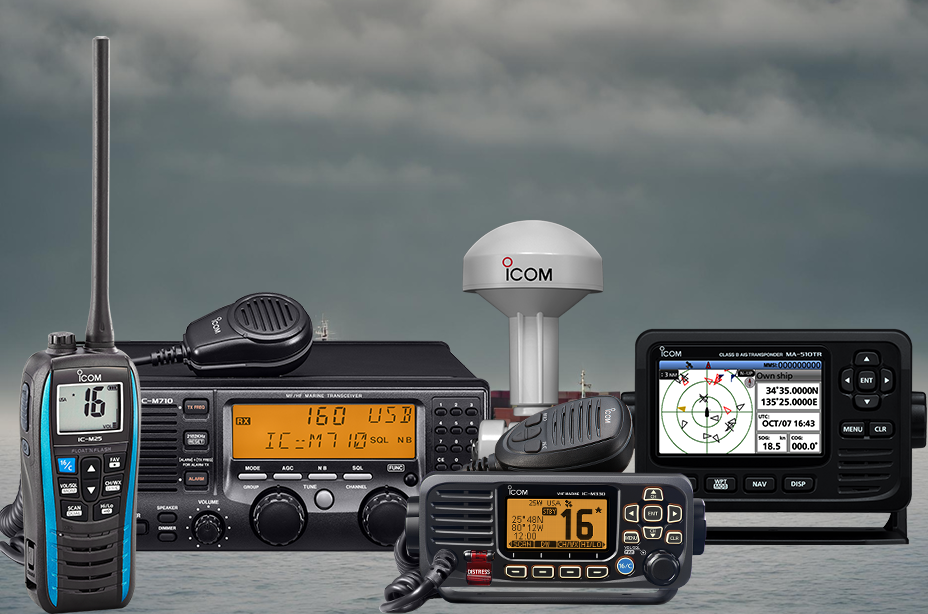
Ahoy, maritime enthusiasts! As you embark on the open waters, the importance of reliable communication cannot be overstated. In the ever-evolving world of marine technology, a vessel’s lifeline is often a trusty radio system. Join us on this nautical journey as we explore the diverse array of marine radios that keep commercial vessels connected, informed, and safe.
VHF Radios: Standard Communication Equipment on Boats
you’re navigating coastal waters, surrounded by seagulls and the gentle lapping of waves. In such scenarios, the VHF (Very High Frequency) radio is your steadfast companion. Standard issue on boats, VHF radios are the go-to for short-range communication. Whether coordinating with nearby vessels, contacting harbourmasters, or reporting the catch of the day, these radios ensure crisp and clear communication, making them the backbone of maritime chatter.
MF/HF Radios: Long-Distance Communication in Open Seas
Now, let’s set sail into the vastness of the open seas. When you’re far from the coastline, VHF might not cut it. Cue the MF/HF (Medium Frequency/High Frequency) radios, designed for long-distance communication. These robust radios transcend the limitations of VHF, ensuring that even in the remotest parts of the ocean, your messages can traverse the waves and reach the intended recipients. Perfect for offshore adventures and deep-sea explorations, these radios are the sea captain’s choice for staying in touch when coastlines fade into the horizon.
Satellite Phones: Global Coverage for Remote Locations
As your vessel ventures into the unknown, where cell signals fear to tread, enter the satellite phone – the maritime marvel that brings global coverage to the farthest reaches of the ocean. These phones rely on satellites orbiting high above the Earth, ensuring that no matter how remote your location, you can make that important call. So, if you find yourself casting nets in the loneliest stretches of the sea, a satellite phone becomes your direct line to the world.
AIS Transponders: Automatic Identification System for Vessel Tracking
In the age of digital navigation, AIS (Automatic Identification System) transponders take the spotlight. Think of them as the marine version of traffic control in the sky. These smart devices broadcast your vessel’s identity, position, course, and speed to other vessels and coastal stations, promoting safer navigation and collision avoidance. With AIS transponders, vessels become visible entities on digital screens, fostering a high-tech dance of coordination on the open seas.
EPIRBs and PLBs: Emergency Distress Beacons for SOS Signals
When the seas get rough, and the elements turn against you, enter EPIRBs (Emergency Position-Indicating Radio Beacons) and PLBs (Personal Locator Beacons). These compact wonders are your SOS signals to the maritime rescue cavalry. EPIRBs, typically mounted on vessels, automatically broadcast distress signals when immersed in water, alerting search and rescue teams to your location. On a more personal level, PLBs serve as handheld beacons for crew members facing emergencies, providing an extra layer of safety on the high seas.
Conclusion: Choosing the Right Radio for Vessel Safety
As you navigate the maritime world, the key to a vessel’s safety and success lies in choosing the right radio. From the dependable VHF radios for coastal conversations to the robust MF/HF radios for far-flung journeys, and the global reach of satellite phones, each type serves a unique purpose. AIS transponders add a layer of digital finesse to navigation, while EPIRBs and PLBs stand ready for emergency distress calls. So, dear seafarers, as you embark on your maritime endeavors, may your choice of radio be as reliable as the North Star, guiding you safely through the ever-changing tides of the open waters. Safe sailing!
by Barani Chettiar | Mar 30, 2024 | Uncategorized
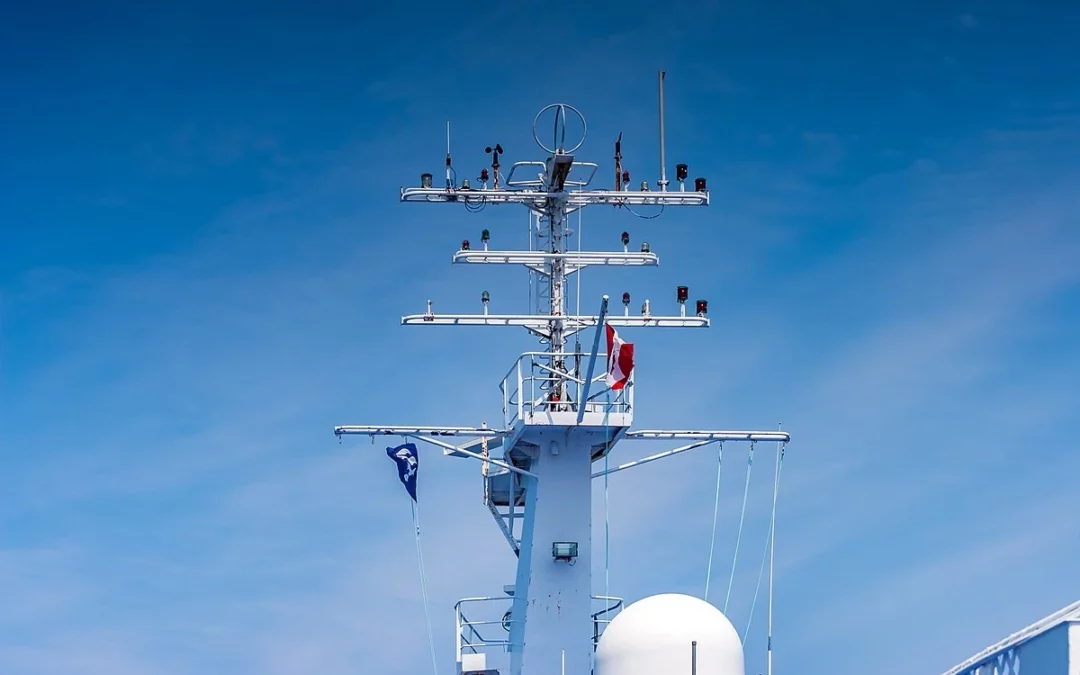
In the intricate world of maritime communication and navigation, the performance of marine antennas on commercial boats is a critical factor that directly impacts the safety and efficiency of operations. From selecting the right antenna type to proper installation techniques and regular maintenance, this blog post explores essential tips to ensure optimal performance and reliability for marine antennas on commercial vessels.
Importance of Marine Antennas on Commercial Boats
Marine antennas play a pivotal role in the communication and navigation systems of commercial boats. They facilitate the transmission and reception of crucial signals, including radar and radio communications, ensuring seamless connectivity for various maritime operations. Reliable antennas are the linchpin for effective communication, navigation, and safety at sea, making their optimization paramount for the maritime industry.
Selecting the Right Antenna Type
Choosing the right antenna type is the foundation for optimal performance. Factors to consider include:
Frequency Range: Different antennas are designed for specific frequency ranges. Select an antenna that aligns with the frequencies used for communication, radar, and other navigational purposes.
Antenna Gain: Antenna gain determines the directionality and range of signal coverage. Consider the operational needs of the vessel and select an antenna with an appropriate gain level.
Antenna Design: Antennas come in various designs, including omni-directional and directional. Omni-directional antennas offer 360-degree coverage, while directional antennas focus on a specific direction. Choose based on the vessel’s communication requirements.
Proper Installation Techniques
Even the best antennas can underperform if not installed correctly. Proper installation involves:
Mounting Location: Choose a strategic location for mounting the antenna that minimizes signal obstructions and interference. Ensure it is clear of other equipment that could impact its performance.
Cable Routing: Use high-quality coaxial cables and route them carefully to minimize signal loss. Avoid sharp bends and kinks in the cable, and keep it as short as possible to reduce attenuation.
Grounding: Proper grounding is crucial for antenna efficiency and safety. Follow manufacturer guidelines for grounding, considering the type of vessel and potential electrical interference.
Regular Maintenance Practices
Routine maintenance is key to keeping marine antennas in optimal condition:
Visual Inspections: Regularly inspect antennas for physical damage, corrosion, or loose connections. Address any issues promptly to prevent degradation of performance.
Coaxial Cable Checks: Examine coaxial cables for wear, damage, or water ingress. Replace any compromised cables to maintain signal integrity.
Cleaning: Keep antennas free from salt, dirt, and other contaminants. Regular cleaning with a mild detergent and fresh water prevents corrosion and ensures unobstructed signal transmission.
Avoiding Signal Interference
Signal interference can hamper the performance of marine antennas. Take steps to avoid common sources of interference:
Proximity to Metal Structures: Keep antennas away from large metal structures that can interfere with signals. Ensure antennas are mounted on non-metallic surfaces or use insulating materials.
Electronic Equipment Placement: Separate antennas from other electronic equipment to prevent electromagnetic interference. Maintain a distance to minimize the risk of signal disruption.
Weather Considerations: Adverse weather conditions, such as heavy rain or dense fog, can impact signal quality. Anticipate these conditions and take preventive measures or have alternative communication methods in place.
Utilizing Signal Boosters When Necessary
In areas with weak signals or challenging conditions, signal boosters can enhance antenna performance:
Amplifiers: Consider using signal amplifiers or boosters to strengthen weak signals, especially in remote or offshore locations.
Repeater Systems: Install repeater systems to extend the coverage range of marine communication signals, ensuring consistent connectivity in expansive maritime environments.
Consulting Experts: Seek guidance from marine communication experts, such as those available at www.tecomart.co, to identify the most suitable signal booster solutions for specific operational needs.
Ensuring Optimal Performance for Marine Operations
In conclusion, optimizing the performance of marine antennas on commercial boats is crucial for maintaining effective communication, navigation, and safety at sea. From selecting the right antenna type to proper installation, regular maintenance, and addressing signal interference, each step contributes to the overall efficiency and reliability of maritime operations.
Investing in high-quality marine radar and radio equipment, such as those available for sale at www.tecomart.co, coupled with adherence to best practices, ensures that commercial vessels navigate with confidence and resilience, even in challenging maritime conditions. By prioritizing the optimization of marine antennas, the maritime industry can uphold the highest standards of communication and safety at sea.
