by Barani Chettiar | Mar 29, 2024 | Uncategorized
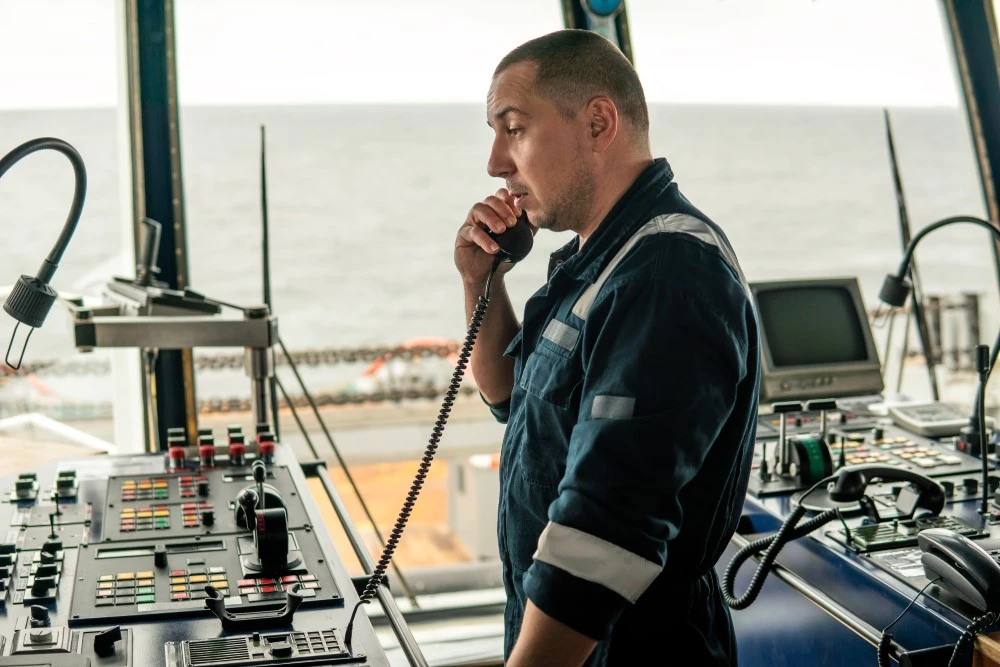
AIS in Maritime Collision Avoidance
In the dynamic realm of maritime navigation, safety is paramount, and collision avoidance stands as a crucial aspect of ensuring secure voyages. The Automatic Identification System (AIS) emerges as a game-changer in this pursuit, revolutionizing collision avoidance strategies. This blog post aims to unravel the intricacies of AIS, its functionality, benefits, limitations, and the pivotal role it plays in enhancing maritime safety.
What is Automatic Identification System (AIS)?
AIS Overview
Automatic Identification System (AIS) is a globally adopted navigation technology that enables vessels to broadcast and receive real-time information about their identity, position, speed, and course. The system enhances situational awareness by facilitating communication between nearby vessels and shore stations.
Class A and Class B AIS Transponders
Class A AIS transponders are mandatory for vessels exceeding 300 gross tons or those engaged in international voyages. Class B AIS transponders, while not mandatory, are popular among smaller vessels and recreational boats. Both classes contribute to collision avoidance by broadcasting essential information.
How Does AIS Work for Collision Avoidance?
Vessel Identification
AIS enables vessels to continuously broadcast their identity, aiding in the identification of nearby ships. This real-time information exchange significantly reduces the risk of collisions by providing a comprehensive view of the maritime environment.
Collision Warning and CPA
Closest Point of Approach (CPA) and Time to Closest Point of Approach (TCPA) are crucial parameters calculated by AIS. These metrics offer vessels advanced warning of potential collisions, allowing for timely course adjustments and collision avoidance maneuvers.
Benefits of AIS in Enhancing Safety
Increased Situational Awareness
AIS contributes to heightened situational awareness by providing a comprehensive picture of vessel movements in the vicinity. Mariners can make informed decisions based on real-time data, minimizing the risk of collisions.
Streamlined Traffic Management
AIS supports efficient traffic management by enabling vessels to navigate through busy waterways with enhanced coordination. Ports and authorities can use AIS data to optimize vessel movements, reducing congestion and enhancing overall safety.
Limitations and Challenges of AIS
Signal Range and Obstructions
AIS signals are limited by the line-of-sight principle. Tall structures, geographic features, or adverse weather conditions can obstruct signals, potentially limiting the effectiveness of AIS for collision avoidance in certain scenarios.
Over-Reliance and Cybersecurity
Over-reliance on AIS without complementing it with other navigation methods poses risks. Additionally, cybersecurity concerns, such as AIS data manipulation, highlight the need for a holistic approach to maritime safety.
Integrating AIS with Other Navigation Systems
Radar Integration
Combining AIS with radar data enhances collision avoidance capabilities. Radar provides additional information on vessel movements and potential obstacles, complementing AIS data for a comprehensive navigation strategy.
Electronic Chart Display and Information System (ECDIS)
Integrating AIS with ECDIS allows vessels to visualize AIS data on electronic charts. This integration streamlines decision-making, offering a visual representation of the maritime environment.
Importance of AIS in Maritime Safety
In conclusion, the Automatic Identification System (AIS) stands as a linchpin in the pursuit of maritime safety, especially in collision avoidance. Whether you are exploring Class A AIS transponders or considering Class B options, www.tecomart.co offers a range of AIS solutions to meet your vessel’s needs. The integration of AIS with other navigation systems represents a holistic approach to maritime safety, ensuring vessels navigate the seas with heightened awareness and efficiency.
by Barani Chettiar | Mar 28, 2024 | Uncategorized
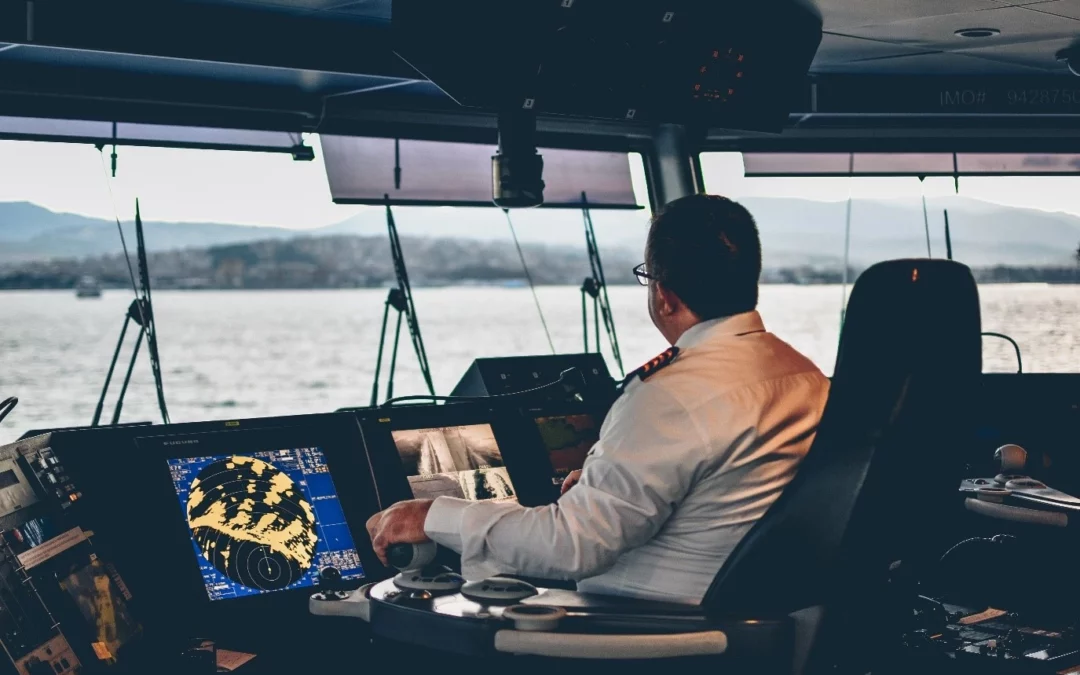
In the vast expanse of the open sea, precision and accuracy in navigation are paramount. Whether you are a seasoned sailor or a novice explorer of the waters, the reliance on advanced marine navigation equipment is indispensable. In this blog post, we will delve into the world of Marine GPS Systems, exploring their features, benefits, and how they contribute to enhancing navigation efficiency on the high seas.
Understanding Marine GPS Systems
Marine GPS Systems, short for Global Positioning System, have revolutionized the way we navigate on water. These systems utilize a network of satellites to provide accurate real-time positioning information. Unlike traditional nautical navigation equipment, GPS systems offer a global reach, enabling sailors to pinpoint their exact location anywhere on the planet.
Benefits of Using GPS for Navigation
Precision and Accuracy: The primary advantage of Marine GPS Systems lies in their unparalleled precision. Sailors can navigate with confidence, knowing their exact location, reducing the risk of getting lost at sea.
Global Coverage: Traditional nautical navigation equipment might have limitations, but GPS systems offer global coverage. Whether you are navigating the familiar coastal waters or venturing into uncharted territories, a GPS system ensures you stay on the right course.
Real-time Updates: With continuous satellite communication, GPS systems provide real-time updates on weather conditions, traffic, and potential hazards. This information is crucial for making informed decisions and ensuring a safe journey.
Features of Marine GPS Systems
Modern marine GPS systems come equipped with an array of features designed to meet the diverse needs of seafarers. From touch-screen interfaces to advanced route planning capabilities, these systems are a boon for anyone navigating the open waters. Some notable features include:
Chartplotting: Visualizing your route on electronic charts enhances situational awareness and allows for precise course plotting.
AIS Integration: Automatic Identification System (AIS) integration enables the tracking of nearby vessels, reducing the risk of collisions and enhancing overall safety.
Waypoint Navigation: Easily set waypoints to navigate specific routes or mark points of interest during your journey.
Enhancing Safety and Accuracy
Safety is a top priority at sea, and Marine GPS Systems play a pivotal role in ensuring it. The accuracy of these systems reduces the chances of accidental grounding or entering restricted areas. AIS integration further enhances safety by providing information about the movement and identity of nearby vessels, enabling proactive navigation decisions.
Tips for Optimizing Navigation Efficiency
Regular Updates: Keep your GPS system updated with the latest firmware and map data to ensure accurate information.
Backup Navigation: While GPS systems are highly reliable, having traditional navigation tools as a backup is a prudent practice, especially in case of technical failures.
Training and Familiarity: Invest time in understanding the features of your GPS system. Training and familiarity with its functions will boost your confidence and efficiency during navigation.
Conclusion: Embracing Technology for Seamless Navigation
In the ever-evolving landscape of marine navigation equipment, embracing the technology offered by Marine GPS Systems is a logical step forward. Whether you are in search of reliable marine radar for sale or other nautical navigation equipment, suppliers like www.tecomart.co provide a comprehensive range to meet your needs. The benefits of precision, global coverage, and advanced features make Marine GPS Systems an indispensable companion for sailors navigating the expansive and unpredictable seas. As we look to the future, integrating these advanced technologies into our maritime pursuits ensures safer, more efficient, and enjoyable journeys on the water.
by Barani Chettiar | Mar 27, 2024 | Uncategorized
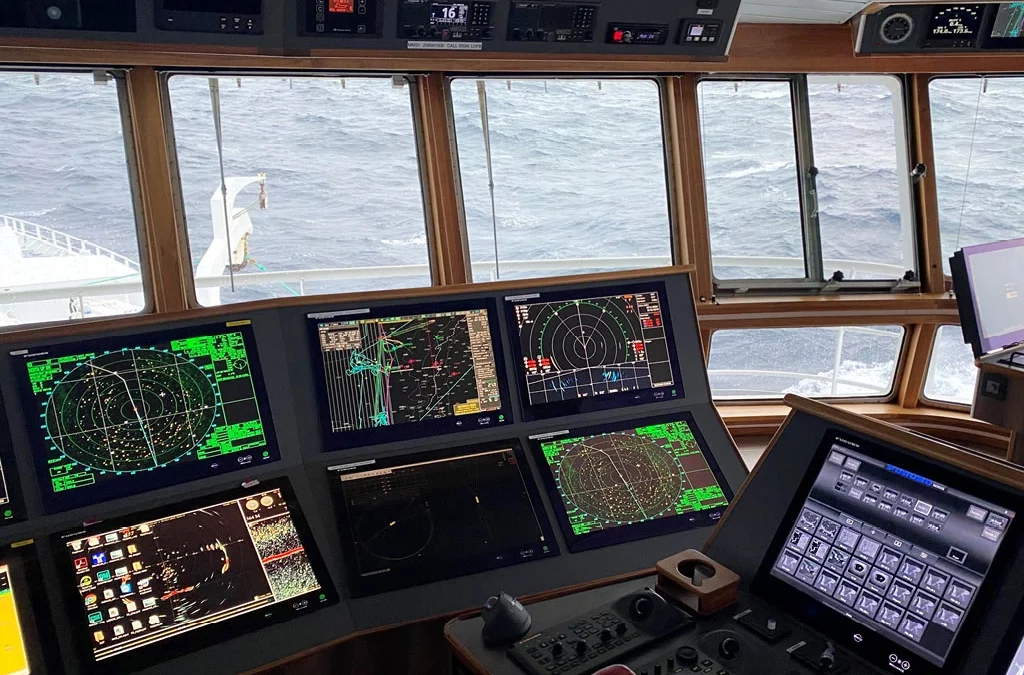
In the vast expanse of the open sea, where precision is paramount, the right GPS navigation system can be the key to a successful and efficient fishing operation. In this guide, we explore the importance of GPS for fishing, factors to consider when selecting a system, different types available, and connectivity options, helping commercial fishermen make an informed decision for their unique needs.
Importance of GPS for Fishing Operations
For commercial fishing operations, the significance of a reliable GPS navigation system cannot be overstated. From identifying productive fishing grounds to navigating safely back to port, GPS is the guiding star for fishermen. It provides accurate position information, tracks movement, and helps in creating efficient routes, contributing to increased productivity and safety on the water.
In the world of marine navigation equipment, the right GPS system becomes the backbone of fishing operations, offering real-time data that aids in decision-making and ensures a smooth and successful fishing expedition.
Factors to Consider
Selecting the right GPS system for commercial fishing involves considering several crucial factors. Let’s delve into the key considerations that can influence your decision:
Water Resistance and Durability
Commercial fishing involves exposure to harsh marine conditions. Opt for a GPS system that is not only water-resistant but also built to withstand the rigors of the sea. Look for devices with robust construction and seals that keep out water, ensuring the system’s longevity in challenging environments.
Accuracy and Signal Strength
Precision is vital in marine navigation, especially for commercial fishing where the difference of a few feet can significantly impact the catch. Choose a GPS system with high accuracy and strong signal strength, even in adverse weather conditions or areas with potential signal interference.
Mapping and Chartplotter Capabilities
Efficient navigation often relies on detailed maps and charts. A GPS system with comprehensive mapping and chartplotter capabilities provides valuable insights into underwater topography, potential hazards, and fish migration patterns. Ensure that the chosen system is compatible with the type of charts relevant to your fishing grounds.
Types of GPS Systems
When exploring GPS options, you’ll encounter two main types: handheld and fixed-mount units.
Handheld vs Fixed-Mount Units
Handheld Units:
Portable and versatile, handheld GPS units are ideal for smaller vessels or for fishermen who prefer mobility. They often come with features like waypoint marking and tracking, making them suitable for basic navigation needs.
Fixed-Mount Units:
Mounted on the boat, fixed-mount GPS systems are larger and offer more advanced features. They often integrate with other marine electronics, providing a comprehensive navigational setup. Consider the size of your vessel and your specific navigation requirements when choosing between handheld and fixed-mount units.
Connectivity Options
Modern GPS systems offer various connectivity options that enhance functionality and convenience.
Wi-Fi, Bluetooth, and NMEA Compatibility
Wi-Fi: Enables wireless data transfer and updates, keeping your GPS system current with the latest charts and software.
Bluetooth:
Facilitates connectivity with other devices, such as smartphones or tablets, enhancing accessibility and control.
NMEA Compatibility:
Ensures seamless integration with other marine electronics, allowing for a connected and synchronized navigational setup.
Battery Life and Power Source
Consider the battery life of the GPS system, especially if you embark on extended fishing trips.
Longevity During Extended Fishing Trips
A reliable GPS system should have sufficient battery life to last throughout your fishing expedition. For longer trips, consider additional power sources, such as external batteries or a connection to the vessel’s power supply.
Cost Comparison
While budget is a consideration, it’s essential to balance cost with the features and reliability needed for commercial fishing operations.
Budget-Friendly vs Premium Options
Budget-Friendly Options:
Basic handheld GPS units and entry-level fixed-mount systems may be suitable for smaller vessels with simpler navigation needs.
Premium Options:
Advanced fixed-mount GPS systems with extensive features, high accuracy, and durability are investments worth considering for larger commercial fishing operations where precision and reliability are critical.
Choosing the Right GPS is Essential
In the world of marine navigation equipment, the right GPS system is a linchpin for the success of commercial fishing operations. From water resistance and accuracy to connectivity options and cost considerations, each factor plays a role in determining the most suitable GPS for your needs. Whether navigating coastal waters or venturing into the deep sea, a well-chosen GPS system ensures that you can focus on the catch, confident that your navigational companion is guiding you with precision and reliability.
When exploring options, collaborate with a reputable marine navigation equipment supplier to ensure that you not only get a quality GPS system but also receive expert advice tailored to the unique demands of commercial fishing. Ultimately, choosing the right GPS is not just a decision; it’s a strategic investment in the efficiency, safety, and success of your commercial fishing endeavors.
by Barani Chettiar | Mar 26, 2024 | Uncategorized
Best Practices for Marine Radio Maintenance and Troubleshooting
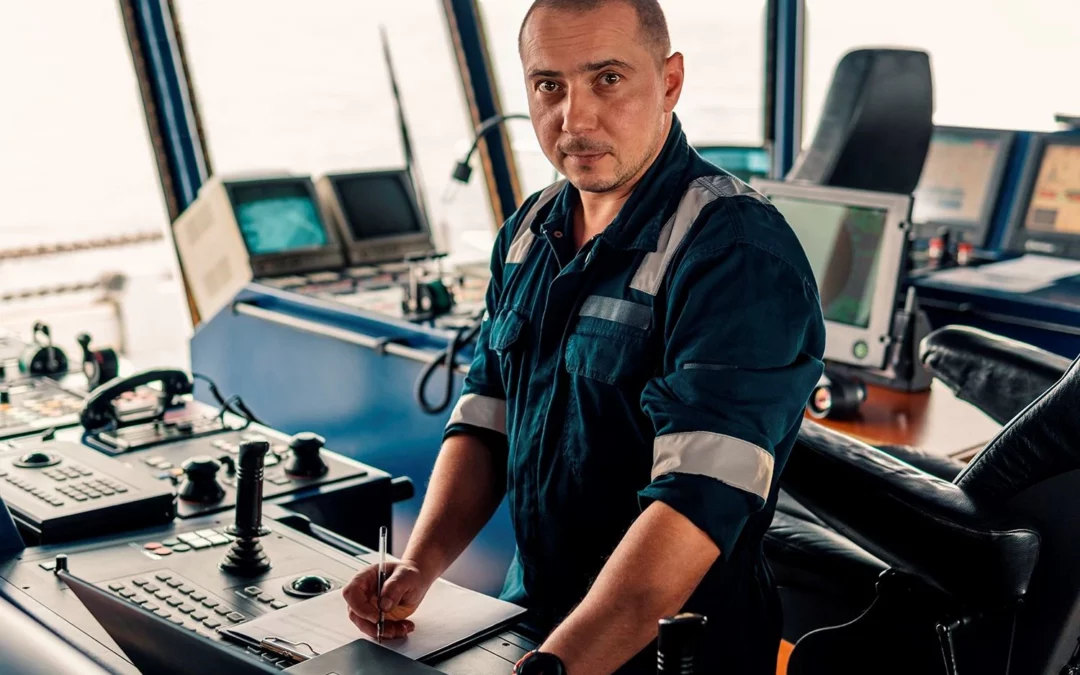
Navigating the open waters requires more than just skilled seamanship; it demands reliable communication. A crucial component of maritime communication is the VHF marine radio. In this blog post, we delve into the importance of maintaining this essential equipment, exploring best practices, common issues, and the significance of proactive care for maritime safety.
Importance of Marine Radio Maintenance
A reliable VHF marine radio is the lifeline for sailors, connecting them with other vessels, shore stations, and emergency services. Regular maintenance ensures that this critical communication tool operates at peak efficiency, reducing the risk of communication breakdowns during crucial moments at sea.
Routine checks and preventive measures not only extend the lifespan of the equipment but also contribute to the overall safety of maritime operations. Neglecting the maintenance of a VHF marine radio can lead to compromised communication, jeopardizing navigation, emergency response, and coordination with other vessels.
Inspect Antenna, Connections, and Wiring
To maintain optimal performance, start with a thorough inspection of the antenna, connections, and wiring. Corrosion, wear, or loose connections can significantly affect signal strength and clarity. Regularly check the antenna for any physical damage and ensure that it is securely mounted. Examine the connections for signs of corrosion, and replace any damaged components promptly.
Wiring, often exposed to harsh marine conditions, should be inspected for wear and tear. Look out for frayed or damaged wires and replace them to prevent signal disruptions. A proactive approach to these checks can prevent issues before they escalate, ensuring that your VHF marine radio remains a reliable communication tool.
Monitor Charge Levels, Replace When Necessary
A VHF marine radio is only as good as its power source. Regularly monitor the battery charge levels and replace batteries as needed. Ensure that spare batteries are on board, especially during extended journeys. Keeping a well-charged radio is crucial for emergency situations and maintaining constant communication with other vessels.
For sailors in Singapore, where maritime activities are bustling, having a reliable VHF marine radio is not just a convenience; it’s a necessity. Consider exploring options for VHF marine radio for sale to ensure that you have the latest and most efficient equipment on board.
Install Latest Firmware for Optimal Performance
Just like any other technology, VHF marine radios benefit from software updates. Manufacturers often release firmware updates to improve performance, address bugs, and enhance features. Regularly check for and install the latest firmware to ensure that your radio operates at its best. This practice is especially important in a rapidly evolving maritime landscape where technology plays a pivotal role in communication and navigation.
Common Issues and Solutions
Despite proactive maintenance, issues may still arise. Common problems include poor reception, distorted audio, or a complete loss of signal. In such cases, check the basics first – antenna connections, battery levels, and wiring. If issues persist, consult the user manual for troubleshooting tips or contact the manufacturer for guidance.
Having awareness of common problems and solutions equips sailors with the knowledge to address minor issues promptly, preventing them from escalating into major communication breakdowns.
Protocol During Radio Failures
In the unfortunate event of a radio failure, it’s crucial to follow established protocols. Use alternative communication methods if available, such as flares, flags, or visual signals. Attempt to repair the radio using onboard tools and spare parts. If the issue persists, notify nearby vessels of the communication failure using other means and seek assistance.
Importance of Proactive Maintenance for Safety
In maritime operations, safety is paramount. Proactive maintenance of VHF marine radios contributes to a culture of safety, ensuring that communication remains robust even in challenging conditions. Regular checks and preventive measures empower sailors to navigate with confidence, knowing that their communication tools are reliable and ready for any situation.
In conclusion, the reliability of a VHF marine radio is not a luxury but a necessity for maritime safety. By adhering to best practices in maintenance, sailors can navigate the seas with the assurance that their communication lifeline is strong and dependable. Whether in Singapore or on the high seas, a well-maintained VHF marine radio is an indispensable companion for every sailor, fostering a safer and more connected maritime community.
by Barani Chettiar | Mar 25, 2024 | Uncategorized
A Guide to Marine Radio Licensing and Regulations for Commercial Use
Introduction: Importance of Marine Radio Licensing
In the vast expanse of maritime activities, communication is not just a convenience—it’s a critical necessity. For commercial vessels navigating the open seas, Marine Radios play a pivotal role in ensuring safety, coordination, and emergency response. This guide sheds light on the significance of marine radio licensing and the regulatory landscape that governs commercial use.
Licensing Requirements: Types and Application Process
Before delving into the waves, it’s essential to understand the licensing requirements for operating marine radios on commercial vessels. The process varies from country to country, but generally involves obtaining a license from the relevant maritime authority. In Singapore, for instance, the Info-communications Media Development Authority (IMDA) oversees the licensing of marine radios.
There are different types of licenses based on the nature of operations. The two primary categories include the Ship Radio Station License for the vessel and the Radio Operator’s Certificate for the personnel responsible for communication. The application process typically involves submitting documentation, including vessel details, radio equipment specifications, and the qualifications of the radio operators.
Radio Regulations: Compliance with International Rules
Maritime activities are not bound by national borders alone; they adhere to international rules and regulations. Commercial vessels must comply with the International Telecommunication Union’s (ITU) Radio Regulations, which set the standard for maritime communication. These regulations ensure a harmonized frequency allocation, preventing interference and promoting efficient communication at sea.
Staying abreast of these international rules is crucial for commercial operators to avoid penalties and disruptions in communication. When considering marine radios for sale, it’s prudent to choose equipment that aligns with these global standards, ensuring seamless communication across different regions.
Equipment Standards: Requirements for Commercial Vessels
Not all marine radios are created equal, especially when it comes to commercial use. Commercial vessels are required to equip themselves with radios that meet specific standards to ensure reliability and effectiveness. The choice of radio must align with the vessel’s size, purpose, and the areas it operates in.
Look for VHF marine radios for sale that comply with the Global Maritime Distress and Safety System (GMDSS) standards. These radios are designed to facilitate communication during distress situations, offering features such as Digital Selective Calling (DSC) for automated distress signals. Investing in quality equipment not only enhances safety but also ensures compliance with regulatory standards.
Operating Procedures: Proper Communication Protocols
Effective communication on the open seas requires adherence to proper operating procedures. The personnel responsible for radio communication must be well-versed in maritime communication protocols. This includes understanding channel usage, maintaining radio discipline, and utilizing proper call signs and procedures.
Operators should be aware of the specific channels designated for different purposes, such as distress calls, safety communications, and routine operational messages. Training and regular drills help ensure that radio operators are prepared to handle various scenarios, contributing to the overall safety of commercial operations.
Safety Measures: Emergency Communications and Distress Signals
In the unpredictable maritime environment, emergencies can arise without warning. Proper emergency communication protocols are essential for a swift and coordinated response. Marine radios equipped with DSC capability allow for the automatic transmission of distress signals, streamlining the process of seeking assistance.
Familiarize yourself with the proper use of distress signals and emergency frequencies. Regular equipment checks and maintenance are equally crucial to ensure that the radio is in optimal working condition when needed the most. Investing in reliable equipment and maintaining a proactive approach to safety contributes to the overall resilience of commercial vessels.
Ensuring Compliance for Safe Operations
In the dynamic world of commercial maritime activities, compliance with marine radio licensing and regulations is not just a legal requirement—it’s a commitment to safety. From choosing the right VHF marine radio for sale to training personnel in proper communication protocols, every step plays a crucial role in ensuring the smooth and secure operation of commercial vessels.
By understanding and adhering to licensing requirements, international regulations, equipment standards, operating procedures, and safety measures, commercial operators can navigate the seas with confidence. Prioritize safety, invest in quality equipment, and stay informed about evolving regulations to uphold the highest standards of maritime communication. In the vast blue expanse, let responsible radio communication be the guiding beacon for safe and successful commercial operations.
