by Barani Chettiar | Mar 23, 2024 | Uncategorized
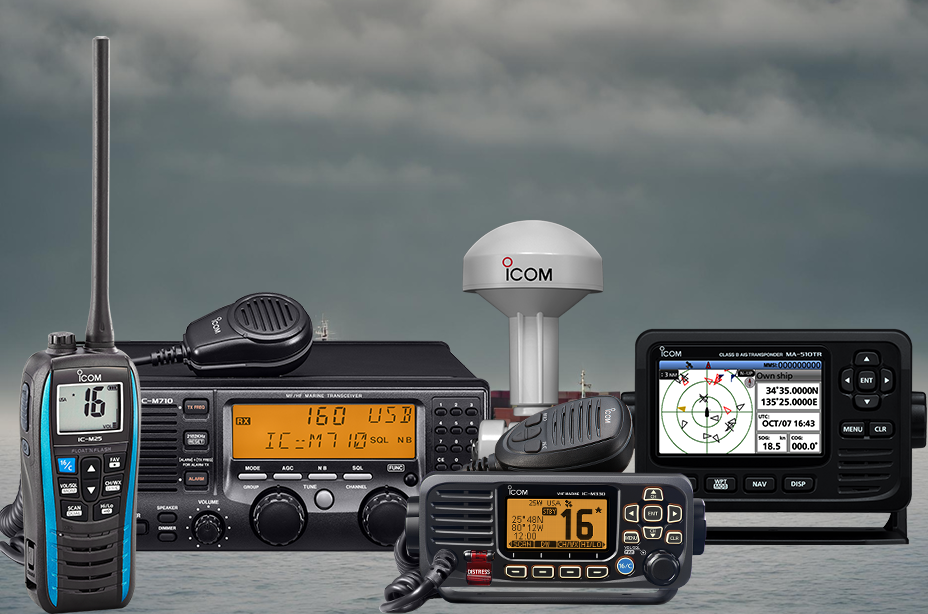
Effective communication in the boundless ocean is not merely a luxury, but a crucial necessity for survival. The maritime industry relies heavily on robust and reliable communication equipment to ensure the safety and efficiency of operations. Among the array of tools available, marine radios play a pivotal role in facilitating seamless communication. In this blog post, we will delve into the diverse world of marine radios, exploring their types and applications in commercial settings.
Importance of Marine Radios in Commercial Settings
Before we dive into the specifics, let’s emphasize the crucial role marine radios play in the commercial maritime sector. Effective communication is the backbone of safe navigation, efficient operations, and response to emergencies. Whether it’s coordinating the movements of vessels in a busy port or calling for assistance during adverse weather conditions, the right marine radio is indispensable for maritime professionals.
VHF Marine Radios: Standard Communication Equipment
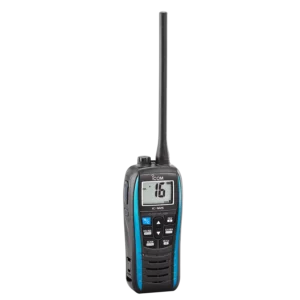
The VHF (Very High Frequency) Marine Radio stands as the standard communication equipment for most maritime applications. Operating in the VHF frequency range, these radios are ideal for short to medium-range communication. They are widely used for ship-to-ship, ship-to-shore, and port operations. VHF radios provide clear and reliable voice communication, making them an essential tool for real-time coordination in commercial maritime activities.
SSB Radios: Long-Range Communication Capabilities
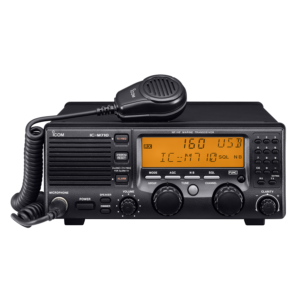
For commercial vessels that operate in long-range or remote areas, Single Sideband (SSB) Radios come into play. These radios utilize high-frequency bands, enabling communication over much greater distances compared to VHF radios. SSB radios are instrumental for vessels engaged in long-haul shipping, offshore exploration, and fishing in deep-sea waters. Their long-range capabilities make them a valuable asset for maintaining contact when traditional VHF communication is impractical.
AIS Transponders: Automatic Identification System for Vessel Tracking
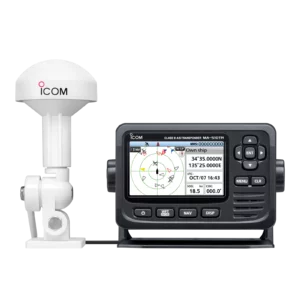
In the realm of modern maritime technology, AIS (Automatic Identification System) Transponders have revolutionized vessel tracking and collision avoidance. AIS transponders broadcast real-time information about a vessel’s identity, position, speed, and course. This technology enhances situational awareness, allowing vessels to navigate safely in congested waterways. Visit www.tecomart.co to explore a range of AIS transponders that cater to commercial applications, ensuring precise vessel tracking for improved safety and operational efficiency.
Satellite Phones: Reliable Communication in Remote Areas
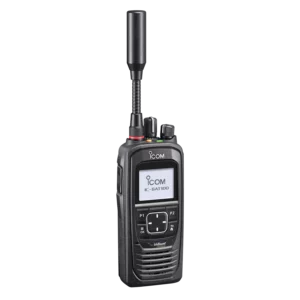
When venturing into remote or offshore areas where traditional communication infrastructure is absent, satellite phones become indispensable. These phones use satellite networks to provide reliable voice and data communication, ensuring that vessels stay connected even in the most isolated regions.
DSC Radios: Digital Selective Calling for Distress Signal
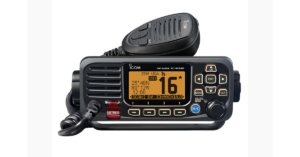
In emergency situations, time is of the essence, and DSC (Digital Selective Calling) Radios play a critical role. These radios allow vessels to send automated distress signals with precise location information, significantly reducing response times in rescue operations. DSC radios enhance safety at sea by ensuring quick and accurate communication during critical moments.
Conclusion: Choosing the Right Marine Radio for Your Needs
In the dynamic world of commercial maritime operations, choosing the right radio communication equipment is paramount. Consider the specific needs of your vessel and the environments in which you operate. Whether it’s the standard VHF radio, long-range SSB radio kit, AIS transponder for vessel tracking, reliable satellite phones, or emergency-ready DSC radios, www.tecomart.co offers a comprehensive selection to meet your diverse requirements. Invest in the right marine radio technology to navigate the seas safely and efficiently, ensuring seamless communication throughout your commercial endeavors.
by Barani Chettiar | Mar 22, 2024 | Uncategorized
Importance of Marine Radio Networking in Fleets
In the dynamic realm of commercial fleets, effective communication is the linchpin that ensures smooth operations, safety, and efficiency. Marine radio networking, facilitated by cutting-edge marine navigation equipment, emerges as a transformative solution for enhancing communication among vessels. This blog post delves into the myriad benefits of marine radio networking for commercial fleets.
Enhanced Communication: Real-time Updates and Coordination
Seamless Fleet-Wide Communication
Marine radio networking enables real-time communication between vessels within a fleet. Crew members can share critical updates, navigational information, and coordinate maneuvers effortlessly, fostering a synchronized and well-informed fleet.
Improved Situational Awareness
With the ability to broadcast and receive real-time updates, vessels can enhance their situational awareness. This is particularly crucial in busy waterways or adverse weather conditions, where immediate communication can prevent potential hazards.
Safety Improvements: Quick Response to Emergencies
Emergency Alert Capabilities
Marine radio networking equips vessels with the ability to transmit emergency alerts swiftly. In case of distress, a quick and coordinated response can be initiated, ensuring the safety of the crew and minimizing potential damage to vessels.
Man Overboard (MOB) Systems
Integrated MOB systems in marine radio networking allow for immediate notification and location tracking if a crew member falls overboard. This prompt response is critical for successful rescue operations.
Efficiency Boost: Streamlined Operations and Route Optimization
Route Planning and Optimization
Marine radio networking supports efficient route planning and optimization. Vessels can share information about optimal routes, avoiding congestion and reducing travel time. This not only saves fuel but also enhances overall fleet efficiency.
Streamlined Cargo Operations
Efficient communication within a fleet streamlines cargo handling operations. Coordination on loading and unloading procedures ensures a smooth and time-effective process, minimizing downtime and maximizing productivity.
Cost Savings: Reduced Fuel Consumption and Maintenance Expenses
Fuel Consumption Reduction
Optimized routes, facilitated by marine radio networking, contribute to significant fuel savings. Reduced fuel consumption not only positively impacts operational costs but also aligns with environmentally conscious practices.
Predictive Maintenance
Marine radio networking can integrate with predictive maintenance systems. Vessels can transmit real-time data on engine performance and other critical systems, allowing for proactive maintenance, minimizing downtime, and reducing overall maintenance expenses.
Regulatory Compliance: Meeting Industry Standards and Requirements
AIS Integration for Compliance
Integration with Automatic Identification System (AIS) ensures vessels comply with international regulations. AIS data, shared through marine radio networking, enhances transparency and aids in meeting industry standards.
Enhanced Communication for Compliance
Effective communication among vessels ensures adherence to navigational rules and regulations. It promotes safe distances, aids in collision avoidance, and contributes to the overall compliance of commercial fleets with maritime laws.
Future Outlook: Advancements in Technology and Potential Growth
Integration with Emerging Technologies
Marine radio networking is poised for further advancements, integrating with emerging technologies such as artificial intelligence and automation. These innovations hold the potential to revolutionize fleet operations, making them more efficient and safer.
Industry Growth and Collaboration
As the maritime industry embraces digital transformation, the adoption of marine radio networking is expected to grow. Collaboration among industry stakeholders and technology providers, like www.tecomart.co, will play a crucial role in shaping the future of marine communication.
Marine Radio Networking Benefits for Commercial Fleets
In conclusion, marine radio networking emerges as a game-changer for commercial fleets, offering a multifaceted approach to communication, safety, efficiency, and cost-effectiveness. As the maritime industry continues to evolve, leveraging the benefits of marine radio networking becomes imperative for fleets seeking a competitive edge. Whether you are in search of marine radar for sale or exploring the latest radio communication equipment, www.tecomart.co provides a comprehensive range of solutions to meet the communication needs of modern commercial fleets. Embrace the future of maritime communication, navigate with confidence, and propel your fleet toward success on the high seas.

by Barani Chettiar | Mar 21, 2024 | Uncategorized
Safeguarding Seafarers through Advanced Marine Navigational Systems
As the maritime industry continues to evolve, ensuring the safety of seafarers remains a top priority. In this blog post, we’ll explore the pivotal role of marine navigational systems in enhancing safety at sea. From the evolution of navigation technology to the benefits of modern tools, case studies illustrating safety improvements, and the challenges faced, join us in understanding how these systems have become the cornerstone of maritime safety. Whether you’re a seasoned sailor or someone curious about the technological advancements shaping our seas, this exploration into marine navigational systems promises insights into their crucial significance.
Evolution of Marine Navigation Technology: From Stars to Satellites
The history of marine navigation is a fascinating journey from relying on celestial bodies for direction to the sophisticated satellite-based systems of today. Traditionally, seafarers navigated by the stars, magnetic compasses, and charts. The advent of radar in the mid-20th century marked a significant leap, allowing vessels to detect obstacles and other ships. Today, Global Navigation Satellite Systems (GNSS), including GPS, have revolutionized marine navigation, providing accurate and real-time positioning information.
Types of Modern Navigational Systems: A Comprehensive Toolkit
Modern navigational systems offer a diverse array of tools tailored to meet the unique challenges of maritime navigation. Marine radar, Electronic Chart Display and Information Systems (ECDIS), Automatic Identification System (AIS), and sonar are just a few examples. Each system plays a specific role, contributing to the overall safety and efficiency of maritime operations. Whether it’s detecting nearby vessels, charting courses, or navigating through challenging waters, these tools work in harmony to provide a comprehensive navigational toolkit.
Benefits of Using Advanced Navigation Tools: Precision and Safety Amplified
The adoption of advanced navigation tools brings a myriad of benefits to the maritime industry. One of the primary advantages is precision in navigation, allowing vessels to follow accurate routes and avoid potential hazards. Improved situational awareness, collision avoidance, and efficient route planning contribute to overall safety. Additionally, these tools enhance operational efficiency, reducing the risk of accidents and enabling seafarers to navigate confidently in diverse conditions.
Challenges and Limitations of Navigational Systems: Navigating the Unknown
While navigational systems have significantly improved maritime safety, they are not without challenges. Signal disruptions, cybersecurity concerns, and the need for continuous system updates pose ongoing challenges. Seafarers also need to be adequately trained to use these technologies effectively. Recognizing these limitations is essential for the continued refinement and enhancement of navigational systems.
Future Potential and Importance
As we navigate towards the future, the importance of marine navigational systems in ensuring safety at sea cannot be overstated. The continuous evolution of technology, coupled with a commitment to addressing challenges, holds promising potential for further enhancements. To explore a comprehensive range of state-of-the-art marine navigation equipment, visit www.tecomart.co. As we embrace the future of maritime technology, it is the integration and advancement of navigational systems that will keep seafarers safe, ships on course, and our oceans secure for generations to come.
by Barani Chettiar | Mar 20, 2024 | Uncategorized
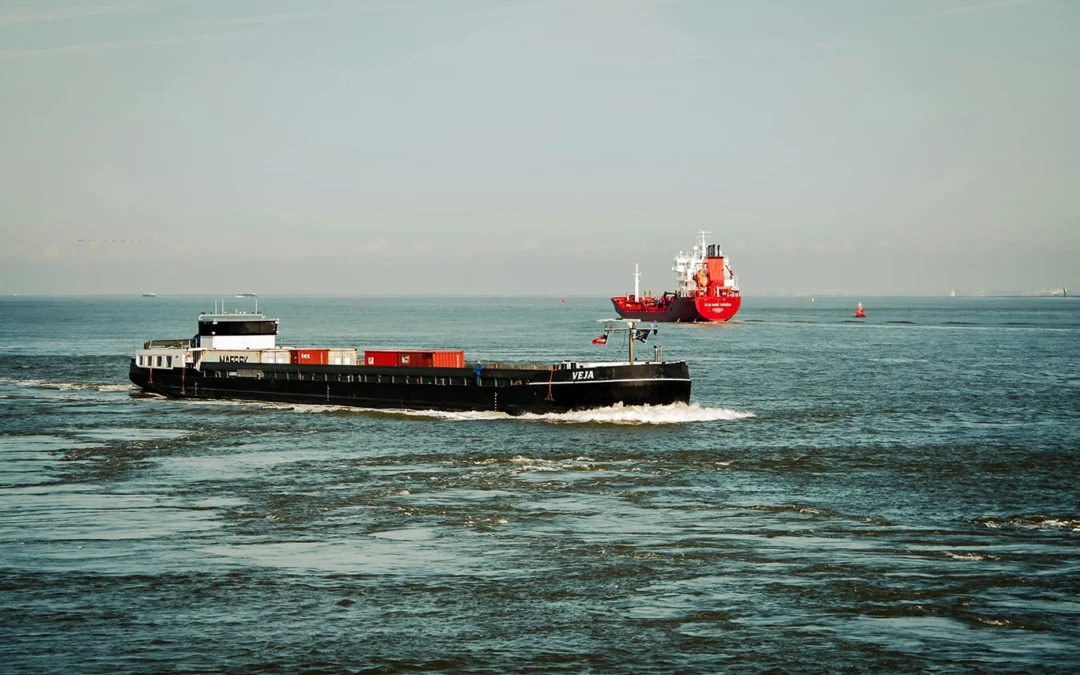
The vast expanse of the open sea holds both beauty and challenges, making safety a top priority for every sailor and fisherman. In this maritime world, communication is not just a convenience but a lifeline. This blog post dives into the depths of the importance of Marine VHF Radios, especially for commercial fishing vessels. Let’s explore the key considerations, features, and the crucial role they play in ensuring a safe and efficient voyage.
Importance of Marine VHF Radios
Marine VHF Radios stand as the cornerstone of communication at sea. In the realm of maritime safety, they serve as the primary means of communication between vessels, harbor authorities, and emergency services. Unlike other communication tools, VHF radios operate on a specific frequency range, ensuring clear and reliable communication even in challenging marine conditions.
For commercial fishing vessels, these radios are indispensable. They provide a direct line of communication to coordinate activities, share vital information about weather conditions, and, most importantly, seek assistance in case of emergencies. Investing in a reliable VHF marine radio for sale is not just a purchase; it’s an investment in the safety and efficiency of your maritime operations.
Considerations for Commercial Fishing Vessels
Commercial fishing vessels operate in dynamic environments with constantly changing conditions. When choosing a VHF marine radio, it’s essential to consider the specific needs of these vessels. Look for radios designed to withstand the harsh marine environment, with features like water resistance, durability, and corrosion resistance.
Additionally, consider the size of your vessel and the range of communication required. Larger vessels may need radios with higher power output and longer antenna options to ensure communication coverage over greater distances.
Range and Power Requirements
Effective communication at sea relies heavily on the range and power capabilities of your marine VHF radio. For commercial fishing vessels, where distances can be substantial, opting for radios with higher power output is crucial. This ensures that your vessel can communicate reliably, even when out of sight from the shore or other vessels.
Carefully assess the range specifications of the VHF radios you’re considering. Look for options that provide ample coverage for your operational needs, factoring in potential obstacles like waves, weather conditions, and other vessels in the vicinity.
DSC Capability and Safety Features
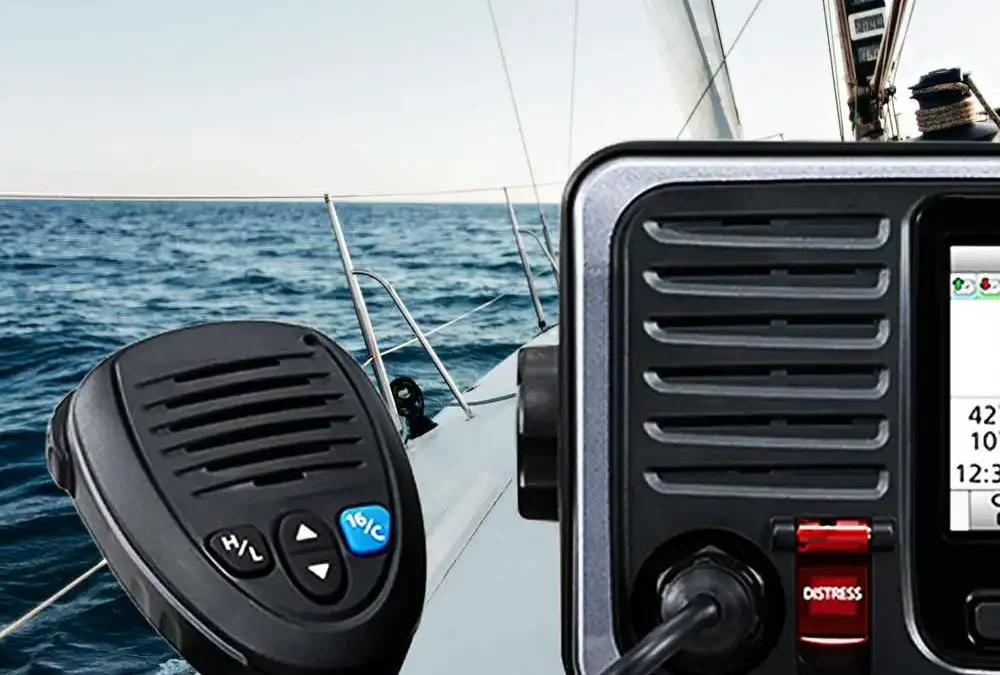
Digital Selective Calling (DSC) capability is a game-changer in marine communication. It allows for the automatic transmission of distress signals in emergency situations, streamlining the process of seeking assistance. When exploring VHF marine radios for sale, prioritize models equipped with DSC capability for an added layer of safety.
Furthermore, consider additional safety features such as built-in GPS capabilities, which enable automatic position reporting during distress calls. These features can significantly enhance the efficiency of search and rescue operations, potentially saving lives in critical situations.
Installation and Mounting Options
The installation of your marine VHF radio is as crucial as its features. Opt for radios that offer flexible mounting options to suit the layout of your vessel. Consider factors like available space, visibility, and ease of access when choosing a mounting location.
Ensure that the installation process aligns with your vessel’s specifications, and if needed, seek professional assistance to guarantee a secure and functional setup. Proper installation enhances the longevity and performance of your VHF radio, contributing to the overall safety of your vessel.
User-Friendly Features and Interface
In the midst of challenging conditions, simplicity is key. Look for marine VHF radios that boast user-friendly interfaces, intuitive controls, and clear displays. When every second counts, an easy-to-navigate interface ensures swift and accurate communication.
Consider features such as programmable channels, instant channel access, and one-touch emergency functions. These elements contribute to the overall user experience and can make a significant difference in critical situations.
Making an Informed Decision
In the world of commercial fishing, where every voyage is a delicate dance with the elements, the right marine VHF radio can make all the difference. Prioritize safety, reliability, and ease of use when exploring options for marine VHF radios for sale.
Investing in a high-quality VHF marine radio is an investment in the well-being of your crew, the security of your vessel, and the success of your operations. By considering factors such as range, power, safety features, installation, and user interface, you can make an informed decision that ensures seamless communication and enhances the overall safety of your maritime endeavors. When the waves get challenging, let your communication be the steady anchor that guides you safely back to shore.
High-Quality Marine VHF in Singapore at Tecomart
know how essential marine VHF radios are in marine communication and safety. As a leading name in radio communication equipment suppliers in Singapore, Tecomart offers a diverse range of marine VHF radios and accessories. We have fixed-mount marine VHF devices from reputable transmitting and receiving equipment manufacturers, such as Shakespeare Marine, ICOM, and JRC. With this, we strive to empower you to maximise your communication range and enjoy your maritime journeys to the fullest.
Whether you’re looking for a reliable VHF marine radio for sale or VHF antennas, Tecomart is your trusted partner. Our commitment to providing quality equipment and customer satisfaction ensures you have everything you need to explore the seas safely and confidently. Browse through our catalogue to find quality marine navigation and communication equipment for your next sea voyage today.
by Barani Chettiar | Mar 19, 2024 | Uncategorized
Navigating the Seas with AIS Technology
In the complex world of maritime operations, staying informed about the movement of vessels is crucial for safety and efficiency. Automatic Identification System (AIS) technology has emerged as a cornerstone in achieving this objective. In this blog post, we’ll delve into the workings of AIS, explore its benefits, understand regulations and compliance, discuss challenges, and highlight its integration with other technologies. Whether you’re a ship operator, maritime professional, or simply curious about the advancements shaping the seas, this exploration of AIS promises valuable insights.
What is AIS? Unveiling the Basics
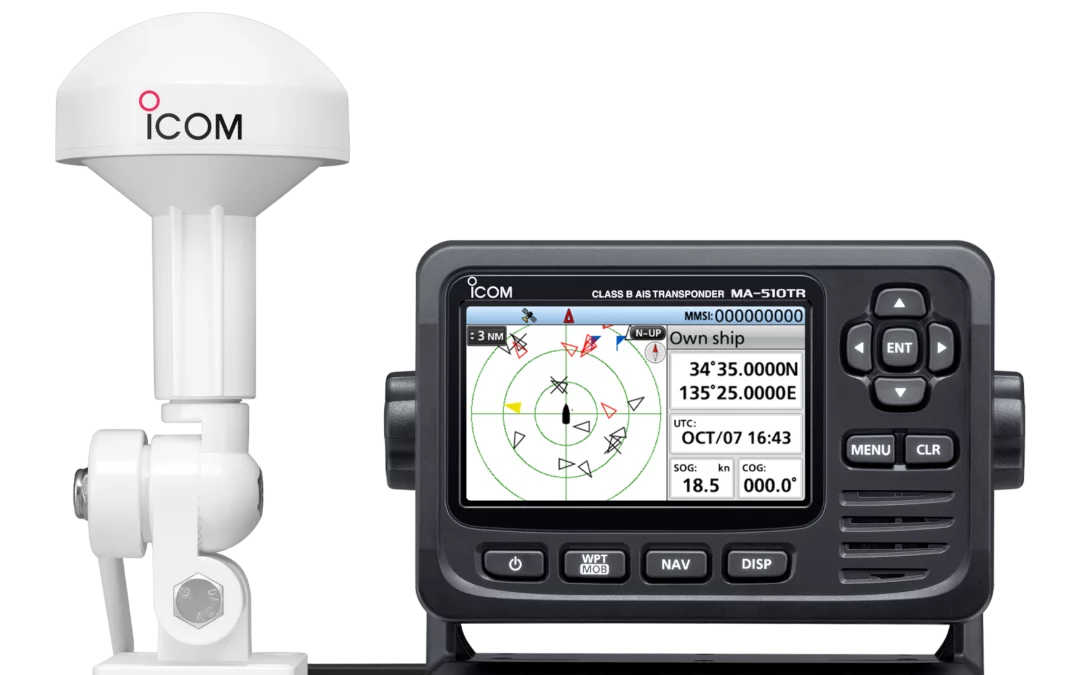
AIS, or Automatic Identification System, is a technology designed to enhance situational awareness by providing real-time information about the identity, position, course, and speed of vessels in the vicinity. Originally developed as a collision avoidance tool, AIS has evolved into a comprehensive system that aids navigation, traffic management, and maritime domain awareness.
How AIS Works: The Dance of Data Transmission
At its core, AIS relies on VHF radio frequencies for data transmission between vessels and shore-based stations. Equipped with AIS transponders, vessels continuously broadcast information, creating a network where nearby ships can receive and interpret the data. The exchanged information includes vessel identification, position, heading, speed, and navigational status. This real-time data exchange allows vessels to track each other, mitigating the risk of collisions and facilitating efficient navigation.
Benefits of AIS in Marine Operations: A Technological Lifesaver
The incorporation of AIS in marine operations brings a multitude of benefits. One of its primary advantages is enhanced safety through improved collision avoidance. The ability to track vessel movements in real-time aids in traffic management, especially in busy waterways. Additionally, AIS contributes to search and rescue efforts by providing accurate information about distressed vessels. The efficiency gains in route planning and navigation further bolster the case for AIS adoption in the maritime industry.
Regulations and Compliance: Navigating the Legal Framework
The International Maritime Organization (IMO) mandates the use of AIS for certain vessels to ensure safe and secure maritime traffic. Class A AIS transponders are required for larger vessels, while Class B AIS transponders are recommended for smaller vessels. Compliance with these regulations is not only a legal requirement but also a fundamental step toward harmonizing maritime communication and ensuring the effectiveness of AIS technology.
Challenges and Limitations: Navigating the Boundaries
While AIS is a powerful tool, it is not without challenges. Signal range limitations, susceptibility to signal interference, and potential for cyber threats are among the concerns. Additionally, some vessels may not be equipped with AIS transponders, limiting the system’s effectiveness in comprehensive vessel tracking. Recognizing these challenges is essential for ongoing improvements and advancements in AIS technology.
Integration with Other Technologies: A Symbiotic Relationship
AIS doesn’t operate in isolation; it thrives when integrated with other maritime technologies. The fusion of AIS with radar, Electronic Chart Display and Information Systems (ECDIS), and satellite communication amplifies its effectiveness. This integration creates a comprehensive navigational toolkit, providing seafarers with a holistic view of their surroundings and ensuring optimal safety in various maritime scenarios.
Importance of AIS in the Maritime Industry
As the maritime industry advances, AIS stands out as a technological linchpin that enhances safety, efficiency, and navigational awareness. To explore a range of AIS transponders and related equipment, visit www.tecomart.co. From collision avoidance to search and rescue support, AIS has proven its worth in diverse maritime applications. As vessels continue to traverse our oceans, the importance of AIS technology in ensuring secure and seamless maritime operations cannot be overstated. It is, indeed, a beacon guiding the industry toward safer and more technologically advanced waters.
