by Barani Chettiar | Mar 14, 2024 | Uncategorized
Navigating the vast expanse of the open sea requires more than just a keen sense of direction; it demands a comprehensive understanding of marine navigational equipment. In this beginner’s guide, we explore the significance of these tools, the types available, essential equipment for commercial mariners, and the proper usage, safety precautions, and regulations governing marine navigation.
Importance of Marine Navigational Equipment
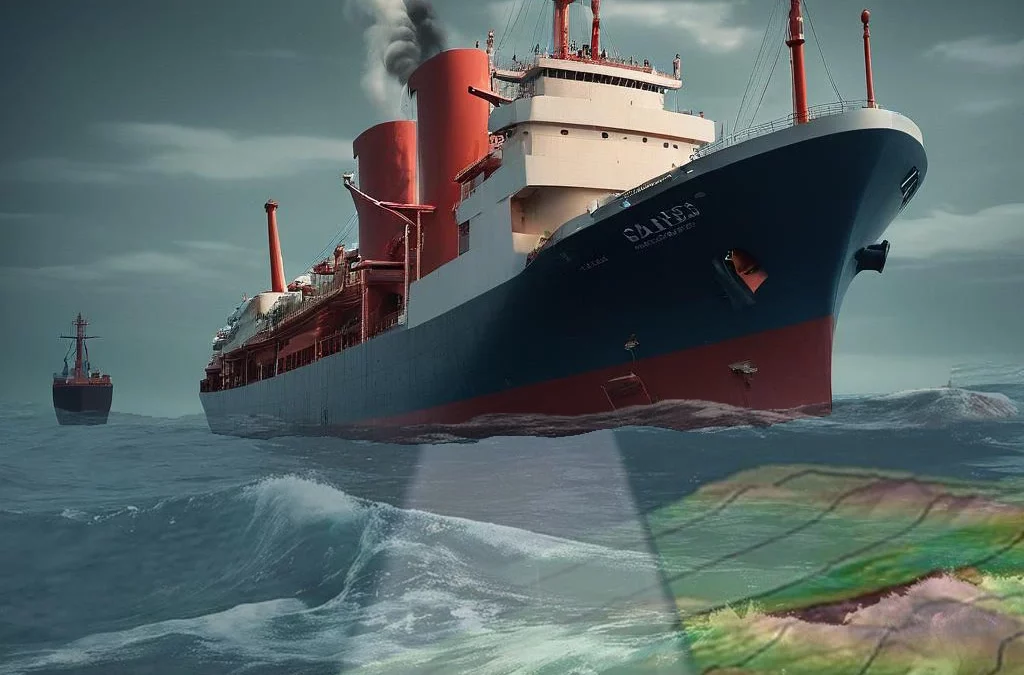
For commercial mariners, marine navigational equipment is the backbone of safe and efficient sea travel. These instruments provide vital information about a vessel’s position, heading, speed, and the surrounding environment. In the absence of reliable navigational tools, maritime activities would be fraught with risks, from the threat of collisions to the challenges of navigating through complex waterways.
Having accurate and up-to-date marine navigation equipment is not only a matter of compliance with maritime regulations but also a fundamental aspect of ensuring the safety of the vessel, its crew, and the cargo on board. This equipment acts as the eyes and ears of the mariner, guiding them through the intricate dance of tides, currents, and other vessels.
Types of Marine Navigational Instruments
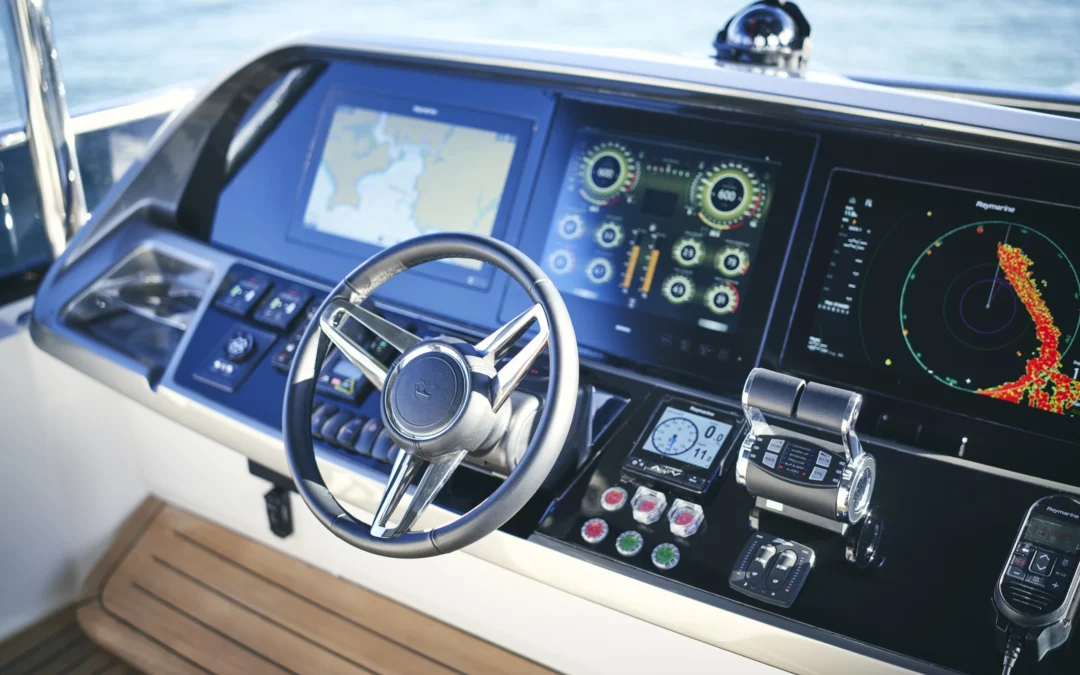
Marine navigational instruments come in various forms, each serving a specific purpose in the intricate art of navigation. Among the essential tools are:
GPS (Global Positioning System):
A satellite-based navigation system that provides accurate positioning information, enabling mariners to determine their exact location on the globe.
Chartplotter:
An electronic navigation device that integrates with electronic charts, displaying real-time information about a vessel’s position, heading, and route.
Radar:
Utilizing radio waves to detect objects, radar is crucial for identifying nearby vessels, land masses, and potential obstacles, especially in low visibility conditions.
Compass:
A timeless tool, the compass provides a reliable indication of a vessel’s direction, serving as a valuable backup to electronic navigation systems.
AIS (Automatic Identification System):
Enhancing communication between vessels, AIS transponders broadcast and receive information about a vessel’s identity, position, course, and speed.
Echo Sounder:
Measuring the depth of water beneath a vessel, the echo sounder helps mariners avoid shallow waters and underwater obstacles.
Essential Equipment for Commercial Mariners
For those navigating the waters as part of commercial operations, a specific set of marine navigation equipment is indispensable. These include:
ECDIS (Electronic Chart Display and Information System):
A digital navigation system that displays electronic navigational charts and integrates with other navigation instruments for a comprehensive view.
Gyrocompass:
Offering enhanced stability and accuracy, the gyrocompass provides reliable directional information, crucial for precise navigation.
Weather Instruments:
To anticipate and navigate through adverse weather conditions, commercial vessels often carry weather instruments such as anemometers and barometers.
Navigational Publications:
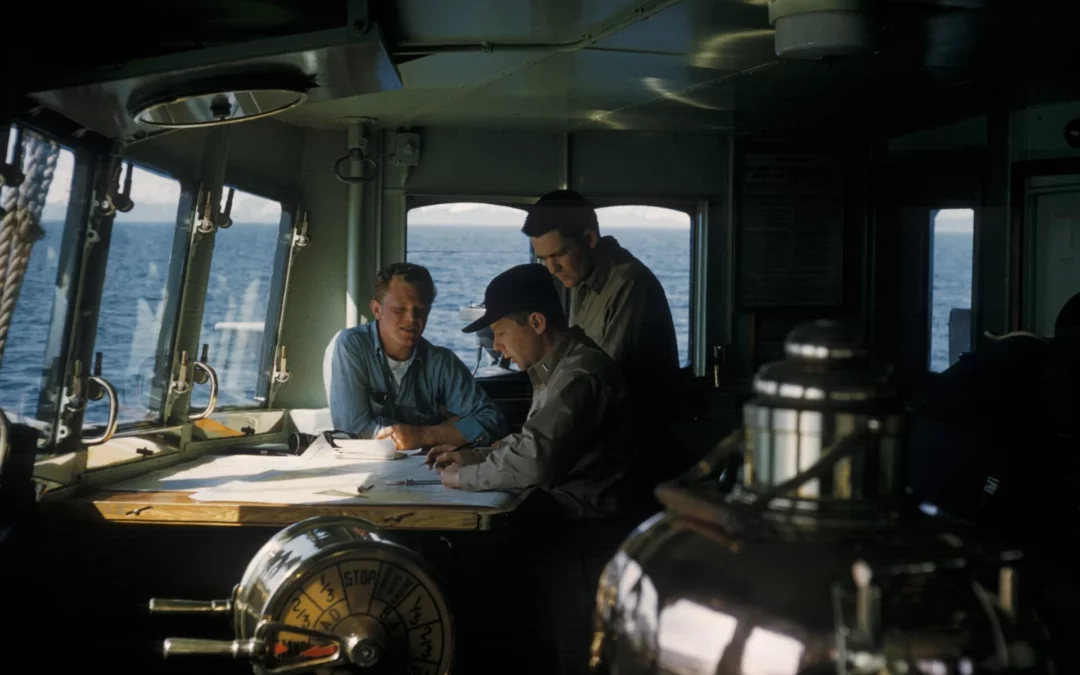
Essential documents, including nautical charts, sailing directions, and tide tables, provide additional information to complement electronic navigation tools.
How to Use Marine Navigational Tools
Using marine navigational tools effectively requires familiarity and training. Mariners should undergo thorough training to operate these instruments accurately. Understanding chart symbols, interpreting radar images, and configuring GPS settings are integral parts of mastering navigation tools.
Additionally, staying informed about updates to electronic charts, firmware upgrades, and changes in navigational regulations is crucial for using these tools optimally. Regular training sessions and refresher courses ensure that mariners stay proficient in the use of evolving navigational technology.
Safety Precautions and Regulations
Safety is paramount in maritime operations, and adherence to navigational regulations is non-negotiable. Mariners must be aware of and comply with international and regional regulations governing the use of navigational equipment. Regular equipment checks, maintenance, and calibration are essential to guarantee their accuracy and reliability.
Avoiding distractions while navigating, maintaining situational awareness, and communicating effectively with other vessels contribute to a safer maritime environment. Regular drills and emergency response training further enhance a mariner’s ability to navigate safely during unexpected situations.
Training and Certification Requirements
Proficiency in operating marine navigational equipment is a skill that requires formal training and certification. Regulatory bodies, such as the International Maritime Organization (IMO), set standards for training and certification to ensure that mariners possess the necessary skills and knowledge to navigate safely.
Aspiring commercial mariners must undergo accredited training programs and obtain the required certifications, such as the Standards of Training, Certification, and Watchkeeping for Seafarers (STCW) certification. These programs cover a range of topics, including the proper use of navigational tools, emergency procedures, and navigation in various conditions.
Importance of Proper Navigation Equipment
In the dynamic world of maritime operations, the importance of proper navigation equipment cannot be overstated. Reliable and well-maintained tools are the cornerstone of safe and efficient navigation, allowing commercial mariners to navigate confidently through challenging waters, adverse weather conditions, and busy shipping lanes.
Investing in high-quality marine navigation equipment from a reputable supplier ensures that vessels are equipped with the latest technology, meeting industry standards and regulations. Whether acquiring navigational tools for a new vessel or upgrading existing equipment, choosing a reliable marine navigation equipment supplier is a critical decision that impacts the safety and success of maritime operations.
by Barani Chettiar | Mar 13, 2024 | Uncategorized
Navigating Success with VHF Radios in Marine Operations
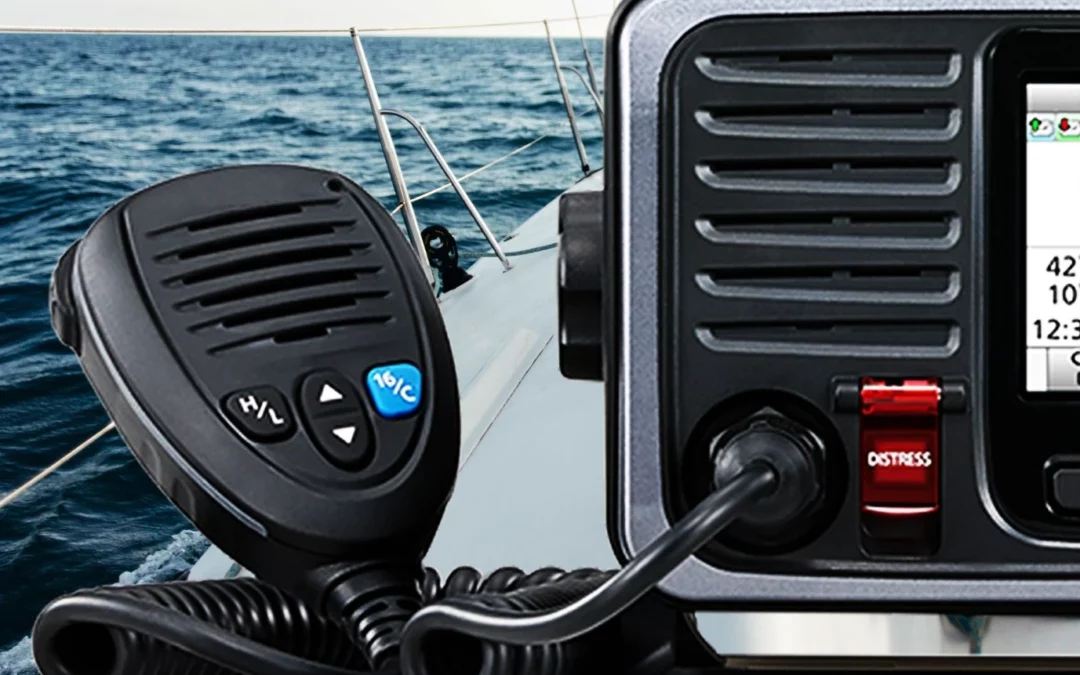
In the dynamic world of commercial marine applications, communication is the cornerstone of success and safety. Among the myriad tools available, Very High Frequency (VHF) radios emerge as indispensable for seamless and reliable communication at sea. In this blog post, we’ll guide you through the process of choosing the right VHF radio for your commercial marine needs, exploring crucial considerations, types, features, brand comparisons, and regulatory compliance. Whether you’re overseeing a fleet or captaining a vessel, selecting the optimal VHF radio is a decision that significantly impacts the efficiency and safety of your maritime operations.
Range, Power, Durability, Waterproof Ratings
When selecting a VHF radio for commercial marine applications, several key considerations come into play. Range is critical, especially for vessels operating over vast expanses of water. Look for radios with sufficient power output to cover the required distance, ensuring seamless communication even in remote areas. Durability is equally important, as marine environments can be harsh. Opt for radios designed with rugged construction and resistance to the elements. Additionally, prioritize models with high waterproof ratings to withstand splashes, rain, and even immersion in water.
Fixed-Mount vs Handheld
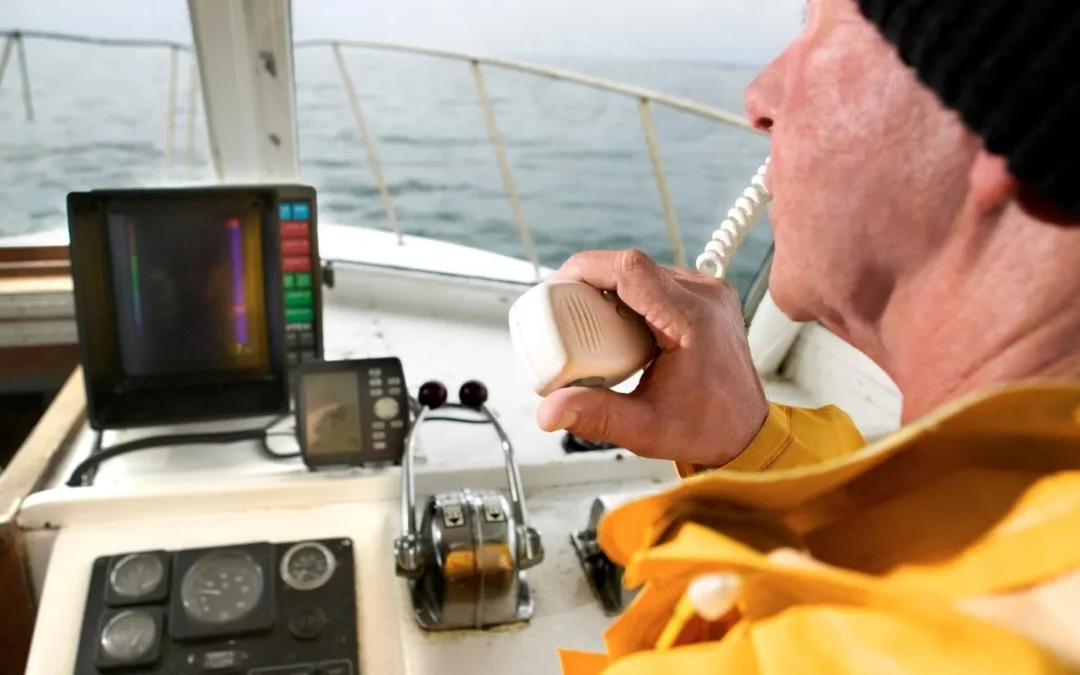
The choice between fixed-mount and handheld VHF radios depends on the specific needs of your commercial marine operation. Fixed-mount radios are permanently installed on the vessel, offering higher power output and often more features. They are ideal for larger vessels where consistent and powerful communication is paramount. On the other hand, handheld VHF radios provide flexibility and portability. They are suitable for smaller vessels, tenders, or situations where crew members need to maintain communication while on the move or in emergencies.
DSC, GPS Integration, Channel Scanning
Modern VHF radios come equipped with a range of features that enhance their functionality and contribute to the efficiency of marine operations. Digital Selective Calling (DSC) is a crucial feature that allows for automatic distress alerts, improving the response time in emergencies. GPS integration enables accurate position reporting and tracking, facilitating navigation and coordination. Channel scanning capabilities are beneficial for monitoring multiple frequencies simultaneously, ensuring you stay connected and informed even in dynamic maritime environments.
Popular Models and Their Specifications
Choosing a reputable brand is vital when selecting a VHF radio for commercial use. Several brands are recognized for their reliability and performance in marine environments. Compare popular models, taking into account factors such as power output, durability, and additional features. Some noteworthy brands include ICOM, STANDARD HORIZON, and MOTOROLA. Visit www.tecomart.co for an extensive selection of VHF marine radios, offering a variety of models to suit different commercial marine needs.
Compliance with Maritime Authorities
To ensure seamless and standardized communication across the maritime industry, compliance with regulations set by maritime authorities is imperative. Familiarize yourself with the specific requirements for VHF radios in your region, including licensing, frequency usage, and equipment standards. Selecting a VHF radio that aligns with these regulations not only ensures legal compliance but also contributes to the overall safety and efficiency of marine communication networks.
Select the Optimal VHF Radio for Safety
In the bustling realm of commercial marine applications, the right VHF radio is more than a communication tool—it’s a lifeline. By carefully considering factors like range, power, durability, and features, and comparing reputable brands, you can confidently choose a VHF radio that meets the unique demands of your operation. Whether you’re looking for a fixed-mount powerhouse or a portable handheld solution, the right VHF radio from www.tecomart.co can elevate the safety and success of your commercial marine endeavors. Make an informed decision, and navigate the seas with communication that’s as reliable as your vessel.