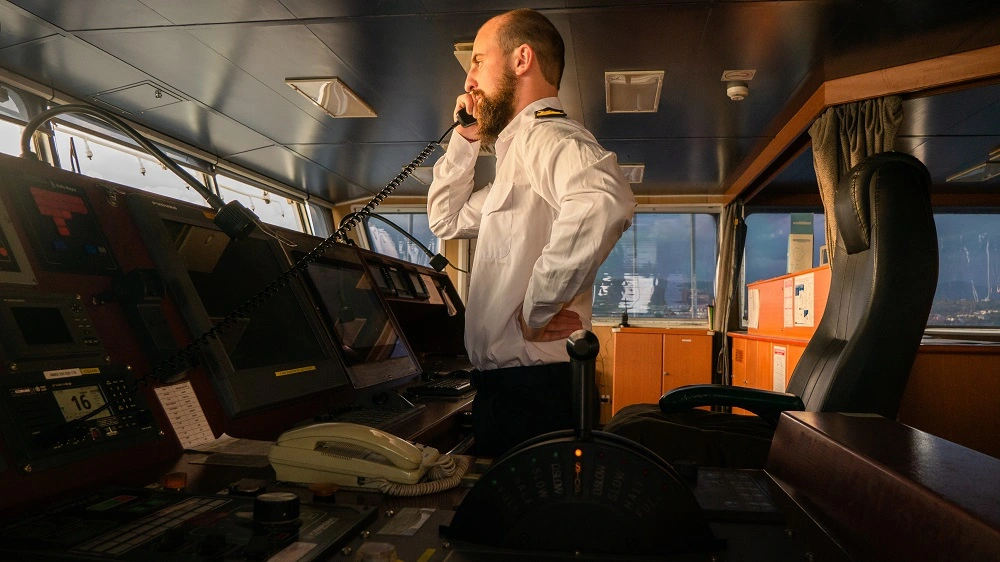
by Barani Chettiar | Mar 12, 2024 | Uncategorized
Importance of Marine Radio Communication on Vessels
In the vast expanse of the open sea, effective communication is the lifeline of maritime operations. Marine radios play a pivotal role in ensuring seamless communication between vessels, enhancing safety, and optimizing efficiency. This blog post explores essential tips for extending the range of marine radios on commercial vessels, empowering maritime professionals with the tools for reliable communication.
Understanding Range: Factors Affecting Signal Distance Radio
Frequency Bands and Regulations
Understanding the frequency bands allocated for marine radio communication is crucial. Different bands offer varying ranges, and compliance with regulations ensures interference-free communication.
Line of Sight and Obstructions
The range of marine radios is significantly influenced by the line of sight. Minimizing obstructions, such as large structures or geographic features, can enhance signal propagation and extend communication range.
Antenna Placement: Strategic Positioning for Optimal Range
Antenna Height
Elevating the antenna improves signal coverage. Mounting antennas as high as practical on the vessel enhances the radio’s ability to transmit and receive signals over longer distances.
Clear Antenna View
Ensure the antenna has an unobstructed view of the horizon. Obstacles, like masts or rigging, can block signals and limit the effective range of the marine radio.
Proper Maintenance: Ensuring Equipment is Functioning Correctly
Regular Checks and Inspections
Establish a routine for checking and inspecting marine radio equipment. Address any issues promptly to maintain peak performance and prevent potential malfunctions.
Battery Health
A reliable power source is essential for consistent radio communication. Regularly check and replace batteries to ensure they are operating at full capacity.
Using Repeaters: Extending Coverage with Relay Stations
Introduction to Repeaters
Repeaters act as relay stations, receiving and retransmitting radio signals. Strategically placing repeaters can extend the coverage area of marine radios, especially in areas with challenging terrain.
Benefits of Repeaters
Utilizing repeaters enhances communication range and overcomes obstacles, making them valuable for vessels operating in expansive or obstructed waters.
Weather Considerations: How Weather Conditions Impact Radio Range
Atmospheric Conditions
Certain atmospheric conditions, such as temperature inversions, can affect the propagation of radio signals. Understanding these factors helps mariners anticipate potential variations in communication range.
Impact of Precipitation
Rain and fog can absorb radio signals, limiting range. Mariners should be aware of weather conditions that may affect radio communication and adapt accordingly.
Implementing Tips for Effective Marine Radio Communication
In the unpredictable maritime environment, implementing these tips can significantly enhance the effectiveness of marine radio communication. Whether you are in search of radio communication equipment suppliers or exploring the latest handheld marine VHF options, www.tecomart.co provides a comprehensive range of solutions to meet the communication needs of commercial vessels. Elevate your maritime communication strategy, extend the range of your marine radios, and navigate with confidence on the high seas.

by Barani Chettiar | Mar 11, 2024 | Uncategorized
Importance of Weather Monitoring in Fishing
The vast expanse of the open sea offers both bounty and risk to commercial fishermen. One crucial factor that can make the difference between a successful voyage and a perilous one is weather monitoring. In this blog post, we explore the pivotal role of weather monitoring in ensuring the safety of commercial fishing operations.
Risks of Ignoring Weather Conditions
Unpredictable Seas
Commercial fishing is inherently challenging, and ignoring weather conditions can lead to unpredictable and dangerous seas. Sudden storms, high winds, and rough waves pose significant threats to both crew and vessels, making it imperative to stay informed about the ever-changing weather patterns.
Navigation Hazards
Lack of weather awareness can lead to encountering unexpected navigation hazards. From turbulent waters to shifting currents, these hazards can jeopardize the safety of the crew and the integrity of the fishing equipment.
Benefits of Weather Monitoring Systems
Early Warning
Implementing weather monitoring systems provides commercial fishermen with early warnings about upcoming weather events. This foresight enables them to make informed decisions, preventing potential disasters and ensuring the safety of the crew.
Enhanced Preparedness
Knowing the weather conditions in advance allows fishermen to prepare adequately. From securing equipment to adjusting fishing strategies, enhanced preparedness minimizes the impact of adverse weather on both the catch and the crew.
Types of Weather Monitoring Technology
NAVTEX Technology
NAVTEX, a crucial component of GMDSS (Global Maritime Distress and Safety System), plays a pivotal role in transmitting navigational and meteorological warnings. Investing in a GMDSS NAVTEX receiver ensures real-time access to critical weather information, enhancing situational awareness.
Radio Communication Equipment
Reliable radio communication equipment, such as those available at www.tecomart.co, is essential for staying connected and receiving weather updates. These devices facilitate seamless communication, ensuring that fishermen are well-informed about the latest weather conditions.
How Weather Data Helps with Decision-Making
Informed Route Planning
Access to accurate weather data empowers fishermen to plan their routes strategically. By avoiding areas with adverse weather conditions, they can navigate safer waters, mitigating the risks associated with unpredictable weather.
Real-time Decision-Making
Weather monitoring allows for real-time decision-making. Whether it’s deciding to return to port due to an approaching storm or adjusting fishing operations based on changing conditions, having up-to-date weather information is critical.
Prioritize Safety with Weather Monitoring
In the dynamic world of commercial fishing, where uncertainty is constant, prioritizing safety through weather monitoring is not just a recommendation but a necessity. By investing in advanced technologies like NAVTEX and reliable radio communication equipment, fishermen can safeguard their livelihoods, ensuring that each voyage is a step toward success rather than a gamble with the elements.

by Barani Chettiar | Mar 9, 2024 | Uncategorized
Importance of MOB Systems in Maritime Safety
Navigating the unpredictable waters of commercial maritime operations demands an unwavering commitment to safety. Man Overboard (MOB) incidents pose a significant threat, requiring proactive measures to enhance response times and minimize risks. This blog post delves into the critical role of MOB systems in safeguarding lives and ensuring the well-being of crew members in the challenging maritime environment.
Understanding Man Overboard Incidents
Frequency and Severity
Man Overboard incidents are unfortunately not uncommon in the maritime industry. Factors such as adverse weather conditions, vessel motion, and human error contribute to the occurrence of MOB situations, emphasizing the need for effective prevention and response mechanisms.
Challenges in Detection
Locating a person who has fallen overboard swiftly is a race against time. The vastness of the sea, limited visibility, and rapid drift make manual detection challenging, necessitating the integration of advanced MOB systems.
Types of Man Overboard Systems
Electronic MOB Alarms
Electronic MOB alarms utilize sensors, GPS technology, and alarms to detect and alert the crew when someone falls overboard. These systems provide real-time information, enabling quick response and increasing the chances of a successful rescue.
AIS MOB Beacons
AIS (Automatic Identification System) MOB beacons are compact devices that transmit MOB alerts and position information to nearby vessels equipped with AIS receivers. This technology enhances coordination between vessels during rescue operations.
Benefits of Implementing MOB Systems
Rapid Response
MOB systems significantly reduce the time it takes to detect and respond to a person falling overboard. Swift response improves the chances of successful retrieval and minimizes the potential impact on the individual’s health and safety.
Crew Confidence and Morale
Knowing that advanced MOB systems are in place boosts the confidence and morale of crew members. The assurance that their safety is a priority contributes to a positive working environment.
Regulations and Standards for MOB Systems
HOLAS Requirements
The International Maritime Organization’s Safety of Life at Sea (SOLAS) regulations outline requirements for MOB systems on certain vessels. Compliance with SOLAS standards ensures a baseline level of safety for vessels navigating international waters.
Flag State Regulations
Individual flag states may have additional or specific regulations regarding MOB systems. It is essential for vessel operators to be aware of and adhere to the regulations applicable to their flag state.
Training and Education for Crew Members
MOB Drills
Regular MOB drills are essential to familiarize the crew with the operation of MOB systems and refine their response protocols. Practical training ensures a coordinated and effective response in the event of an actual MOB incident.
Crew Awareness
Educating the crew about the importance of MOB systems, their functionalities, and the role each crew member plays in MOB response is crucial. Awareness contributes to a culture of safety on board.
Ensuring Safety Through MOB Systems
In conclusion, the implementation of Man Overboard (MOB) systems is not just a regulatory requirement; it is a fundamental commitment to the safety and well-being of crew members at sea. Whether you are in search of marine navigation equipment or exploring MOB systems, www.tecomart.co offers a range of solutions to meet the unique needs of your vessel. By embracing advanced MOB technology, commercial maritime operators can navigate with confidence, knowing that they are equipped to respond swiftly and effectively to MOB incidents, safeguarding lives and ensuring a secure maritime environment.
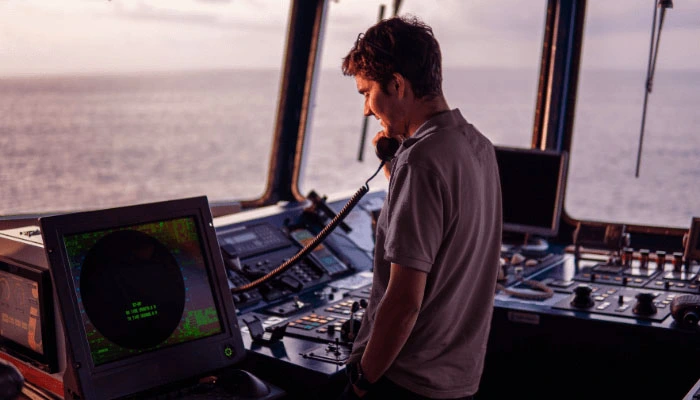
by Barani Chettiar | Mar 8, 2024 | Uncategorized
Importance of Marine Radio Communications
In the expansive world of commercial maritime operations, effective communication is the linchpin for safety and operational efficiency. Marine radio systems stand as the backbone, connecting vessels, ensuring coordination, and providing a lifeline in emergencies. This guide unravels the complexities of marine radio frequencies and channels, offering invaluable insights for commercial operators navigating the seas.
Understanding Radio Frequencies: VHF, UHF, HF Differences
Very High Frequency (VHF)
VHF marine radios, operating between 156 and 174 MHz, excel in short-range communication. Perfect for ship-to-ship and ship-to-shore interactions, VHF frequencies provide clear and reliable communication within line-of-sight distances.
Ultra High Frequency (UHF)
UHF marine radios, spanning 400 to 512 MHz, offer a shorter wavelength, making them ideal for confined spaces or areas with obstacles. While their range is limited compared to VHF, UHF frequencies are valuable in specific maritime scenarios.
High Frequency (HF)
Covering a broader range from 3 to 30 MHz, HF marine radios are known for long-range communication capabilities. Despite their extensive reach, HF radios are less prevalent in commercial use due to the prevalence of VHF and UHF systems.
Marine Radio Channels: Purpose and Usage Explained
Navigating the ocean of radio channels requires a comprehensive understanding of their purpose and usage.
VHF Channel 16 – International Hailing and Distress
Known as the universal calling channel, VHF Channel 16 is dedicated to distress calls and international hailing. Essential for emergencies, it ensures a standardized platform for seeking assistance.
VHF Channel 9 – Boater Calling
Designated for non-commercial vessels, Channel 9 is a key frequency for boater calling, facilitating general communication and coordination among recreational and small-scale maritime users.
VHF Channel 13 – Bridge-to-Bridge
Primarily used for communication between vessels approaching bridges, locks, and narrow channels, Channel 13 aids in coordinating safe passage and avoiding collisions.
Commercial Use Regulations: Licensing Requirements and Restrictions
Licensing Requirements
In Singapore and many maritime jurisdictions, commercial operators must obtain the necessary licenses to operate marine radios legally. Compliance ensures that operators are trained and aware of proper radio usage.
Frequency and Channel Restrictions
Regulations impose restrictions on specific frequencies and channels to prevent interference. Familiarize yourself with these restrictions to maintain clear communication and avoid unintended violations.
Emergency Procedures: Distress Calls and Safety Protocols
Distress Calls
In emergencies, clear communication is paramount. Familiarize yourself with the proper distress call protocols, including the use of Digital Selective Calling (DSC), to swiftly and effectively communicate distress situations.
Safety Protocols
Understanding safety protocols, such as the “Mayday” and “Pan-Pan” calls, enhances emergency communication. Proper execution ensures that distress situations are communicated effectively, enabling a swift response from nearby vessels or rescue services.
Communication Best Practices: Etiquette and Effective Communication Tips
Etiquette
Maintaining communication etiquette is crucial for efficient and courteous interactions. Adhere to established procedures, avoid unnecessary transmissions, and use appropriate channels to foster a harmonious radio environment.
Effective Communication Tips
Enhance communication effectiveness with clear and concise language, especially in critical situations. Regular radio checks and monitoring designated working channels promote efficient communication among vessels in close proximity.
Key Takeaways for Commercial Marine Operators
As commercial marine operators sail into the future, equipped with handheld VHF marine radios and advanced communication technology, understanding marine radio frequencies and channels is non-negotiable. Whether you are exploring handheld radios for sale or seeking digital mobile radio solutions, www.tecomart.co provides a range of equipment to meet your communication needs. Arm yourself with knowledge, adhere to regulations, and embrace best practices to navigate the seas with confidence and precision.
by Barani Chettiar | Mar 7, 2024 | Uncategorized
In the vast expanse of our oceans, where commerce sails on mighty vessels, ensuring safety and efficient navigation becomes paramount. Automatic Identification System (AIS) has emerged as a technological beacon, illuminating the maritime landscape with its capabilities. This blog post dives into the depths of AIS, shedding light on its significance for commercial vessels and the intricate web it weaves in the vast sea.
What is AIS?
Automatic Identification System, or AIS, is a revolutionary technology that has transformed the maritime industry. Simply put, AIS is a tracking system used on ships for the exchange of data within a particular range. This system facilitates real-time communication between vessels, shore stations, and even other navigational aids, ensuring a seamless flow of critical information.
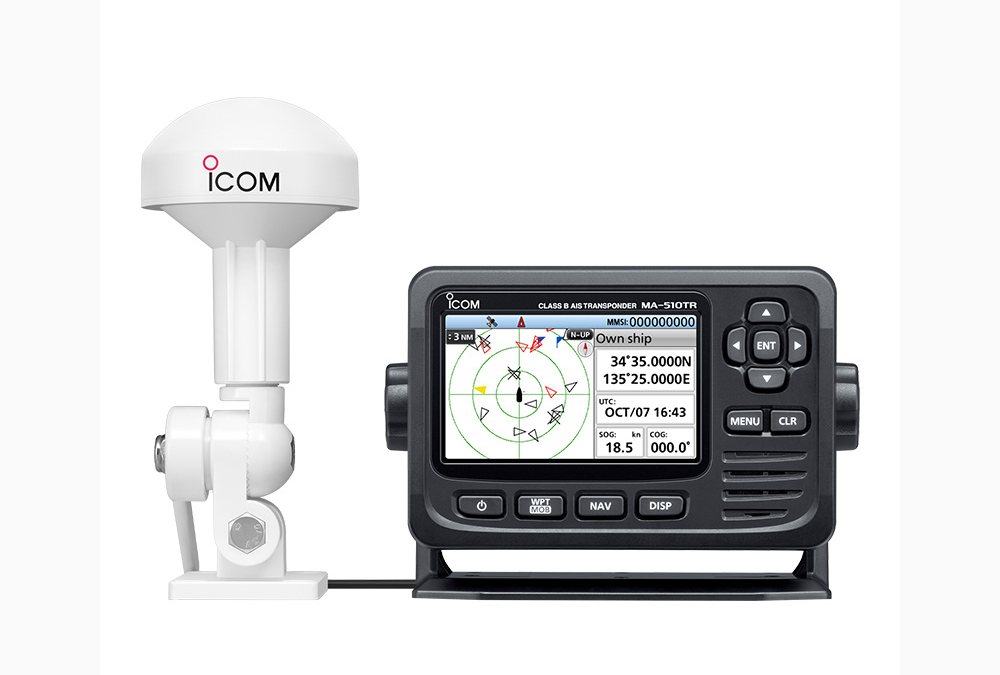
The AIS technology is classified into two main types: Class A AIS transponder and Class B AIS transponder. The former is typically mandatory for larger vessels and provides a more comprehensive set of data, including identity, position, course, and speed. On the other hand, the Class B AIS transponder, while not mandatory, is commonly used by smaller vessels and provides essential information for collision avoidance.
Benefits of AIS
AIS brings a multitude of benefits to the maritime domain, enhancing both safety and navigation. One of its primary advantages is the improved visibility it offers to vessels in close proximity. The exchange of real-time information allows for early detection of potential collisions, reducing the risk of accidents at sea. Additionally, AIS aids in the identification of vessels, streamlining communication and coordination between ships. This proves particularly valuable in congested waterways and busy ports, where the swift exchange of information is crucial for maintaining order and safety.
In Singapore, a bustling maritime hub, the adoption of AIS has significantly contributed to the overall efficiency of port operations. The implementation of AIS technology aligns with the city-state’s commitment to maritime safety and its role as a global shipping hub.
Transmitting and receiving vessel data
AIS operates on the principle of VHF (Very High-Frequency) transmissions, utilizing VHF marine radio frequencies for communication. Vessels equipped with AIS transponders continuously broadcast their identification, position, course, and speed information. Simultaneously, they receive and process similar data from other vessels within range. This dynamic exchange of information creates a comprehensive maritime picture, enabling vessels to navigate through busy waterways with heightened situational awareness. The seamless integration of AIS into navigational practices has become a cornerstone of modern maritime safety protocols.
International maritime requirements for AIS
Recognizing the pivotal role AIS plays in maritime safety, international regulations mandate its use in certain vessels. The International Maritime Organization (IMO) has set forth guidelines for the installation and operation of AIS, emphasizing its implementation in larger vessels and those navigating in high-traffic areas. For Singaporean vessels, adherence to these international standards ensures seamless interoperability with vessels worldwide, contributing to the nation’s commitment to safe and efficient maritime operations.
Challenges and drawbacks of AIS technology
While AIS has proven to be a game-changer in maritime safety, it is not without its limitations. One of the challenges lies in the vulnerability of the system to cyber threats. Unauthorized access to AIS data poses potential risks, necessitating continuous advancements in cybersecurity measures to safeguard maritime communication. Moreover, the reliance on VHF frequencies for AIS communication limits its effectiveness in certain situations, such as over-the-horizon tracking. Despite these challenges, ongoing developments in technology aim to address these limitations and fortify the resilience of AIS in the face of evolving threats.
Importance of AIS in commercial shipping
In the intricate dance of vessels on the high seas, Automatic Identification System emerges as a guiding force, fostering safety, efficiency, and international cooperation. From the mandatory Class A AIS transponder to the bustling ports of Singapore, AIS technology weaves a seamless tapestry of communication, ensuring that ships navigate the waters with precision and caution. As technology evolves, so does the role of AIS in shaping the future of commercial shipping. The continuous refinement of AIS, coupled with stringent international regulations, paves the way for a maritime landscape where safety is paramount, and vessels sail confidently into a future propelled by innovation and collaboration.
