by Barani Chettiar | Jan 30, 2024 | Uncategorized
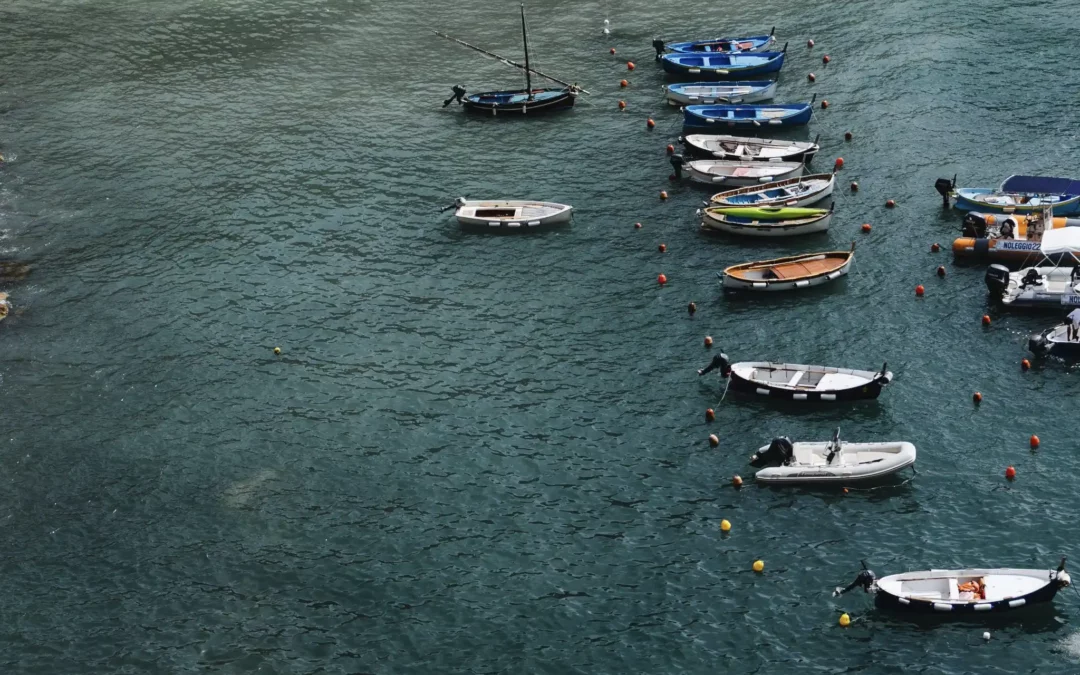
Navigating the vast and often unpredictable expanse of the open seas requires mariners to rely on a standardised system of markers. The International Association of Marine Aids to Navigation and Lighthouse Authorities (IALA) Buoyage System is a crucial component of marine navigation, providing a uniform set of sea marks globally. To help you further understand its importance, we give you insight into its scope and the various types of marks you should note.
What Is the IALA Buoyage System?
The IALA Buoyage System is the backbone of international marine navigation, establishing a standardised set of sea marks to safely guide vessels through waterways. These uniform navigational aids also help protect the marine environment, preventing vessels from crossing vulnerable areas.
Adopted by most maritime nations, the system is divided into two regions: Region A and Region B. Region A encompasses Europe, Australia, New Zealand, and parts of Africa and Asia, while Region B covers North, Central, and South America, Japan, and the Philippines.
Differentiating Aids to Sea Navigation: Buoys and Beacons
Central to the IALA Buoyage System are aids to sea navigation and crucial markers that guide mariners through channels and indicate potential hazards. Two primary types of aids are buoys and beacons.
Buoys
Buoys are floating markers which are anchored to the seabed. They have distinctive shapes and colours to indicate their purpose and how to navigate around them. Buoys are mobile and strategically positioned to mark channels and hazards and provide directional information.
Beacons
On the other hand, beacons are fixed structures mounted on solid ground and often onshore or atop structures like lighthouses. The majority of beacons have lateral or non-lateral aids attached to them. For example, light beacons are called “LIGHTS,” while those without lights are called “DAYBEACONS.”
Types of Marks in the IALA Buoyage System
As you navigate through the sea, here are the types of marks under the IALA Buoyage System:
Lateral Marks

These marks guide vessels on which side of the waterway to follow. Lateral marks can be port or starboard lateral marks, denoted by their colours. For example, in Region A, the colour of the port hand mark, which is found on the left, is red, while the starboard mark, found on the right, is green. For waters in Region B, the colours are reversed, with the port side mark on the left in green and the starboard mark on the right in green.
Cardinal Marks
Cardinal marks derive their name from the cardinal points of the compass: north, east, south, and west. They are crucial navigational aids that help mariners identify the deepest water in a specific area and indicate the safe side to navigate potential hazards. Moreover, they draw attention to notable features within a channel, such as bends, junctions, or the termination of a shoal.
Notably, Region A and Region B adhere to a consistent colour scheme for their cardinal marks, employing black and yellow markings and distinctive top marks.
Isolated Danger Marks
These signify a hazard to shipping, like a wreck or submerged rock. Isolated danger marks typically stand or are moored above the hazard. One of the distinct characteristics of this mark is its double sphere top mark, which needs to be visible during the day. Moreover, the isolated danger mark should be as large as possible, with spheres clearly separated.
Safe Marks
When encountering a safe water mark, this means that there is navigable water all around the mark, which includes the end of a channel or mid-channel. It is typically in red and white vertical stripes and has a single red sphere as a top mark.
Special Marks
Special marks are used to indicate areas where specific regulations apply, such as mooring areas, recreational zones, or underwater pipelines. These marks are yellow in colour with a single yellow “X” shape as the top mark.
Find High-Quality Marine Navigation Equipment at Tecomart
As you navigate vast waters across regions of the world guided by the IALA Buoyage System, having reliable marine navigation equipment on your vessel is also important. When seeking essential navigational devices for your voyage at sea, you should turn to a trusted supplier offering a diverse array of equipment from reputable manufacturers like Garmin, JRC, and Furuno. This is where Tecomart excels. Explore our extensive catalogue of marine navigation equipment, and choose from our selection of quality GPS chart plotters, marine video cameras, and marine radars for sale. At Tecomart, we prioritise high-quality marine navigation equipment to enhance your safety at sea.
If you want more marine navigation tips, you can check out our tips for taking over navigational watches and safe sailing at night.
by Barani Chettiar | Jan 29, 2024 | Uncategorized
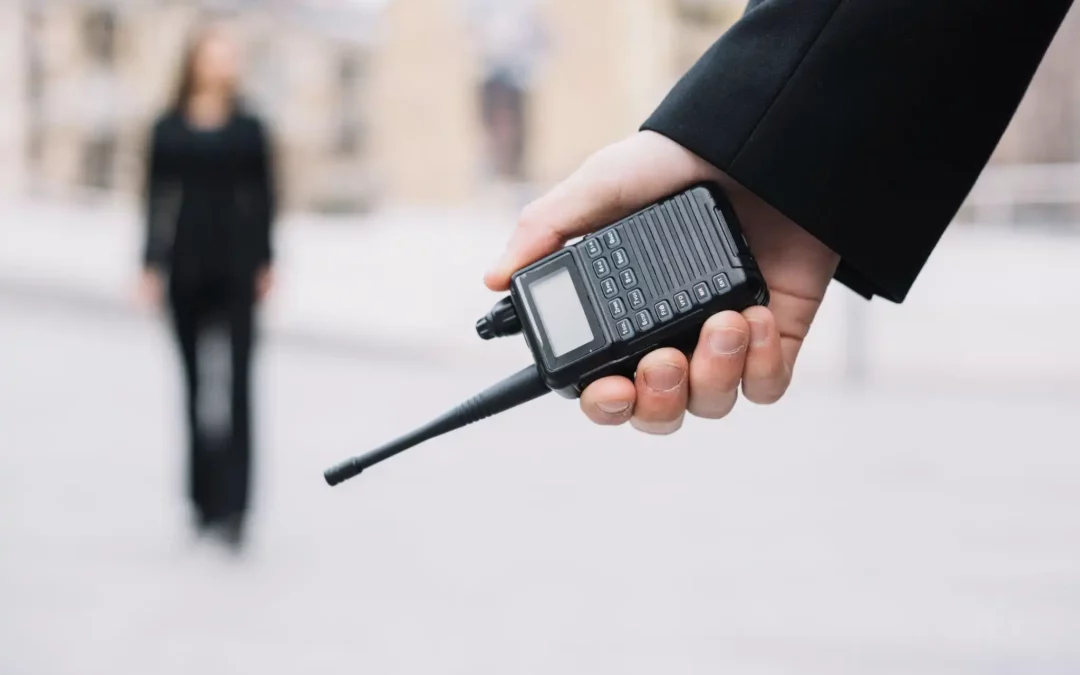
Despite mobile phones becoming the most common means of communication, handheld radios remain indispensable in various applications, from emergency response to recreational outdoor activities. They provide a dedicated and efficient channel of communication that can operate independently of cellular networks, which is especially important when signals for mobile networks become weak or fail. Moreover, handheld radios offer a secure and instantaneous mode of communication, which allows teams to coordinate seamlessly even in challenging environments.
If you’re planning to get your own handheld radio, whether for business or recreational use, we give you insight into the different types of handheld radios and what to consider when buying one.
Different Types of Handheld Radios
There are two basic types of handheld radios. Understanding the features and benefits of each type allows you to make an informed decision on what would be best suited for your needs.
Analogue Handheld Radios
Analogue radios, also known as two-way handheld radios, have been the traditional choice for communication. They use analogue signals to transmit voice communication and are known for their simplicity and ease of use. Analogue radios are suitable for basic communication needs and are often less expensive than their digital counterparts.
Digital Handheld Radios
On the other hand, digital handheld radios are frequently employed by businesses seeking to optimise real-time communication across various devices. They offer features such as background noise cancellation and extended coverage capabilities to ensure teams have clear and efficient communication.
Factors to Consider When Choosing a Handheld Radio
Here is what you should consider when selecting the right handheld radio for your needs:
Very High Frequency (VHF) or Ultra High Frequency (UHF)
Handheld radios transmit signals over a radio channel using either a Very High Frequency (VHF) or Ultra High Frequency (UHF) carrier frequency wave. Each frequency range has its distinct advantages and considerations.

Radios operating on Very High Frequency or VHF typically offer better performance in open spaces with minimal obstructions. The longer wavelengths of VHF signals make them more effective in covering larger distances. This makes VHF handheld radios well-suited for outdoor activities, such as hiking or open-field events where line-of-sight communication is vital.
On the other hand, handheld radios with Ultra High Frequency or UHF excels in areas with numerous obstructions, such as buildings or dense forests. The shorter wavelengths of UHF signals can penetrate obstacles more effectively, making them suitable for indoor use, urban environments, and scenarios where communication may encounter physical barriers.
These days, there are handheld radios available which can transmit signals to both VHF and UHF frequencies. One example would be the ICOM IC-T10 DUAL BAND FM TRANSCEIVER, which is great for long-range communication. With a powerful 5W RF output in both the 144 and 430 MHz bands, it ensures your signal reaches far and wide.
To know which frequency your type of application requires, check out our guide on choosing between UHF and VHF handheld radios.
Range Capabilities and Requirements
The range of a handheld radio is a critical factor to consider, especially if you anticipate communication over long distances. Radios with higher power output and longer antennas generally offer greater range. However, it’s essential to balance range requirements with power consumption, as higher power settings can drain the battery more quickly. Assess your communication needs and select a handheld radio that provides sufficient range without compromising battery life.
Durability and Resistance to Environmental Factors

Handheld radios are often used in challenging environments, ranging from bustling warehouses to critical emergency situations. Therefore, prioritising durability and resistance to environmental factors becomes paramount. When evaluating a handheld radio’s durability, consider the construction quality and the materials used.
If you want a handheld radio that stands up to the rigours of outdoor use, the Yaesu VX-110 Transceiver proves to be an exemplary choice. With a robust die-cast aluminium housing, this two-way radio ensures unparalleled durability, making it an ideal communication device for demanding environments.
Size and Weight

The size and weight of a handheld radio can significantly impact its usability, especially if you plan to carry it for extended periods. Compact and lightweight radios are ideal for outdoor activities and events, ensuring they won’t become a burden during extended use.
For a reliable and lightweight handheld radio, you can consider options such as the FT-10R VHF Transceiver. This model, in particular, combines a compact design with user-friendly features, making it an excellent choice for users prioritising portability without compromising functionality.
For High-Quality Handheld Radios, Choose Tecomart
Should you need top-notch amateur radio equipment, look no further than Tecomart. Renowned for delivering excellence in radio communication, Tecomart offers a comprehensive range of high-quality equipment tailored for various applications. Whether you are in search of feature-rich handheld radio sets, reliable two-way radio repeaters, or other communication solutions, our extensive catalogue has you covered. At Tecomart, we prioritise performance, durability, and innovation, ensuring that the products we supply can meet your recreational and business needs. Explore our offerings today.
For further insight into radio communication equipment, see what mistakes you should avoid with your amateur radio equipment.
by Barani Chettiar | Dec 26, 2023 | Uncategorized
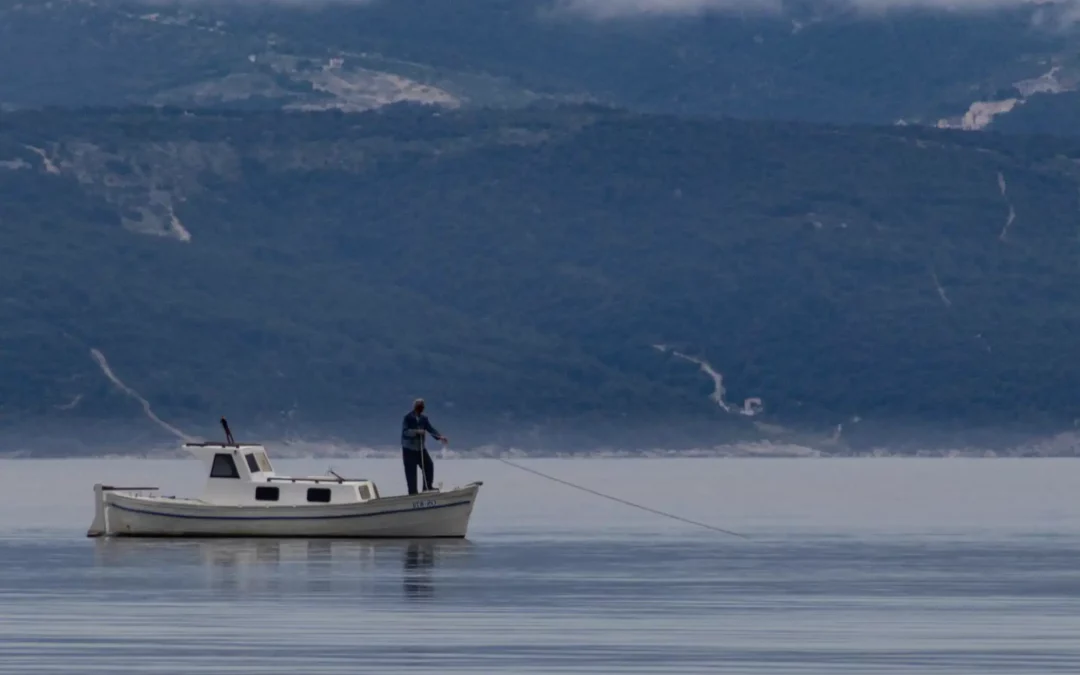
Whether you’re fishing from a boat or a fishing charter, one crucial factor can significantly influence your catch – the weather. Understanding the perfect weather conditions for fishing can potentially give you higher chances of gaining an abundant catch. With this, we give you all you need to know about the various weather elements that can impact how and where you fish.
Barometric Pressure
Barometric pressure, often referred to as atmospheric pressure, plays a substantial role in the behaviour of fish. A drop in barometric pressure, usually associated with an approaching storm, can trigger increased fish activity. Fish tend to move to shallower waters and feed more vigorously during these periods. Conversely, high barometric pressure can make fish less active and harder to catch. Keeping an eye on barometric pressure changes can help you plan your fishing trips for optimal success.
Wind Speed
Wind speed and direction are critical factors that affect where fish are located. Gentle breezes can create ripples on the water’s surface, making fish feel more secure and willing to venture into shallower areas. However, strong winds can create choppy conditions and make fishing challenging. Understanding how wind patterns in your fishing area can help you determine the best spots to cast your line.
Sunlight
Sunlight can have a significant impact on fish behaviour. Many species of fish are more active during low-light conditions, such as early morning and late evening. They tend to move to deeper waters when the sun is high in the sky, making them harder to catch. To increase your chances of a successful catch, plan your fishing trips during dawn or dusk, or seek out shaded areas and underwater structures where fish may seek refuge from the sun’s rays.
Rainfall
Rainfall can be a double-edged sword for anglers. Light rain can stimulate fish activity, as it creates ripples on the water’s surface and can wash insects and other food sources into the water. However, heavy rainfall can muddy the water and dilute natural bait, making it harder for fish to locate your lure. When fishing in the rain, adapt your tactics accordingly and consider using bright and noisy lures to attract fish in cloudy water.
Sudden Changes in Weather
Sudden weather changes, such as a fast-moving front or a thunderstorm, can have a dramatic impact on fishing. Fish often become more active just before a storm front arrives, making it an excellent time to cast your line. However, once the storm hits, it’s crucial to prioritise safety and seek shelter until it passes. Sudden shifts in wind direction and intensity can also influence fish behaviour, so be prepared to adapt your fishing strategy accordingly.

Fishing Tides
Tides are a fundamental aspect of coastal and tidal fishing, and being knowledgeable in their patterns is essential for catching fish successfully. The rising and falling of tides create dynamic changes in the underwater environment, influencing fish movement and feeding behaviour. During high tides, fish often move closer to shorelines and into shallow areas to feed, presenting excellent opportunities for casting your bait or net from the shore or inshore boats. Conversely, low tides may concentrate fish in deeper channels and around underwater structures. Recognising the local tide schedule and how it correlates with your target species’ feeding habits can significantly enhance your fishing experience.
Trust Tecomart Equipment to Help You on Your Fishing Trips
Knowing how weather conditions affect fishing can significantly improve your chances of a successful outing. By paying attention to the different factors that affect your fishing conditions, you can make informed decisions about when and where to fish.
Should you need equipment to help you in your fishing endeavours, Tecomart offers a range of marine navigation equipment, including echo sounders and radio buoys, to enhance your fishing experience. With the right knowledge and equipment, you can make every fishing trip a memorable and rewarding one.
If you want more insight into marine navigation equipment for fishing, check out our guide on how to choose a fishfinder and why you should have GPS navigation with you.
by Barani Chettiar | Dec 26, 2023 | Uncategorized
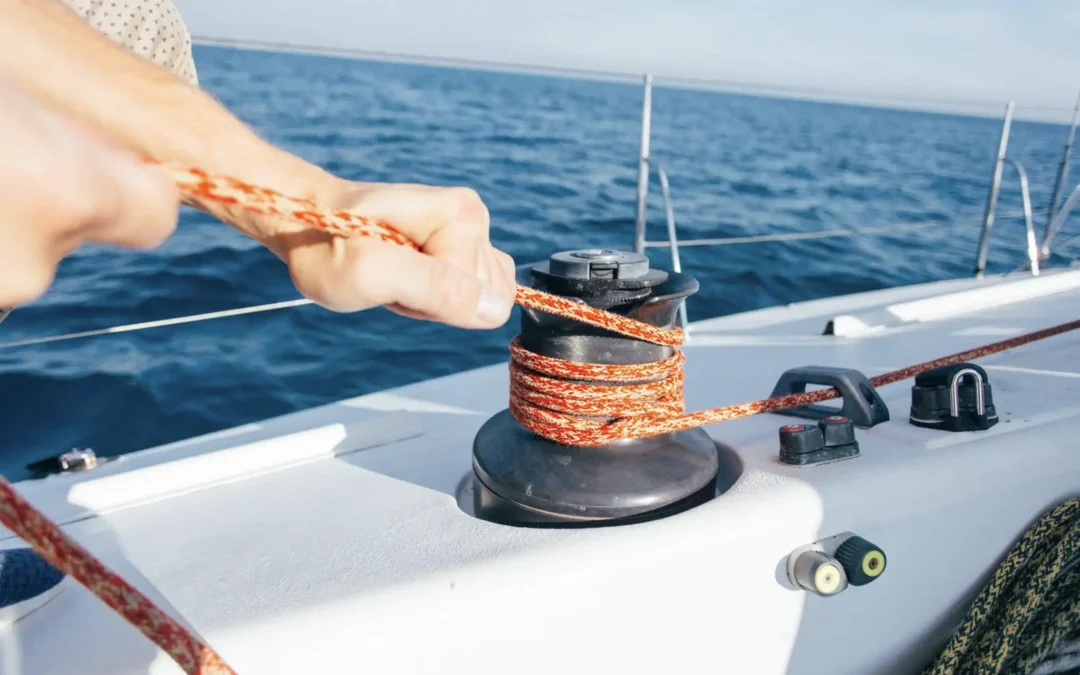
As sailors, there’s a significant responsibility for safeguarding marine life and ensuring other sailors’ safety. This entails embracing the principles of proper sailing etiquette, which serve as the cornerstone of maritime safety and environmental preservation. With this, we give you a comprehensive overview of the key principles you need to know for a safe and eco-conscious sailing experience.
Before Departure
Ensuring a safe sailing experience starts before your departure into the sea. Here’s what you should know before you set sail into the vast waters.
Preparing Your Sail Ship
Your sail ship is your trusted companion on the open water; its condition is paramount to a safe voyage. Regularly scheduled maintenance checks to inspect and maintain your sail ship. Ensure that the hull, rigging, sails, and all essential equipment are in optimal condition. Additionally, you should check if your navigation and radio communication equipment are working properly.
Weather Awareness
Understanding and monitoring weather patterns is vital for a safe and successful sailing trip. Unpredictable weather conditions can pose significant risks, making weather awareness a top priority.
Stay informed about the current weather conditions in your sailing area. Regularly check weather reports and updates before departure to assess whether it’s safe to sail.
However, even with careful planning, unexpected weather changes can occur. Be prepared to respond to adverse conditions with appropriate safety measures and adapt your sailing strategy. Ensure your sail ship is equipped with safety equipment and navigation aids to assist you in navigating safely through challenging weather. For further reading, you can check out our marine safety tips during rough sea conditions.
On the Water
Once you’ve prepared your sail ship and set out on your sea voyage, you must consider not only your personal safety but also the well-being of other sailors and marine life below.
Right of Way
Respecting the right of way is a fundamental principle of sea safety. For example, if a vessel aims to cross your path, the starboard boat (the boat on the right side) has the right of way. Should you come across a vessel without motor power, then they have the right of way. Understanding and adhering to the international rules of navigation helps prevent collisions and ensures a smooth and harmonious sailing experience for all seafarers.
Be Alert and Communicative
Maintaining a vigilant watch is essential when sailing. Keep a lookout for other vessels in your vicinity, and be prepared to adjust your course or speed if necessary to avoid collisions. Communication is key; use lights, sound signals, and radio communication to convey your intentions and understand those of fellow sailors.
Avoiding Pollution
Protecting the marine environment is a collective responsibility for all seafarers. Therefore, when sailing on the vast waters, properly dispose of waste. Ensure that waste materials, including garbage and sewage, are disposed of per maritime regulations and utilise the waste disposal facilities provided by marinas and harbours to prevent sea contamination. Additionally, exercise utmost care when handling chemicals and fuel to prevent accidental spills.
Anchoring and Docking
Should you plan to pause or conclude your voyage at sea, you should follow proper anchoring and docking practices.
Anchoring Systems and Procedures
Proper anchoring is paramount for the safety and stability of your sail ship and the well-being of those around you. To ensure you anchor effectively and responsibly, it’s essential to thoroughly understand anchoring systems and procedures. Anchoring involves more than just dropping an anchor; it includes selecting an appropriate location, assessing the seabed, and employing the right techniques for securing your vessel. Different vessels may require different anchoring systems, and understanding your ship’s needs is crucial.
Docking Boats
When approaching the harbour, displaying courtesy and consideration for others is paramount. Following designated docking procedures and maintaining a safe distance from other vessels are essential practices that enhance safety and promote a harmonious docking experience. Effective communication with other sailors and harbour authorities is key when docking boats.
How Tecomart Can Help You Adhere to Proper Sailing Etiquette
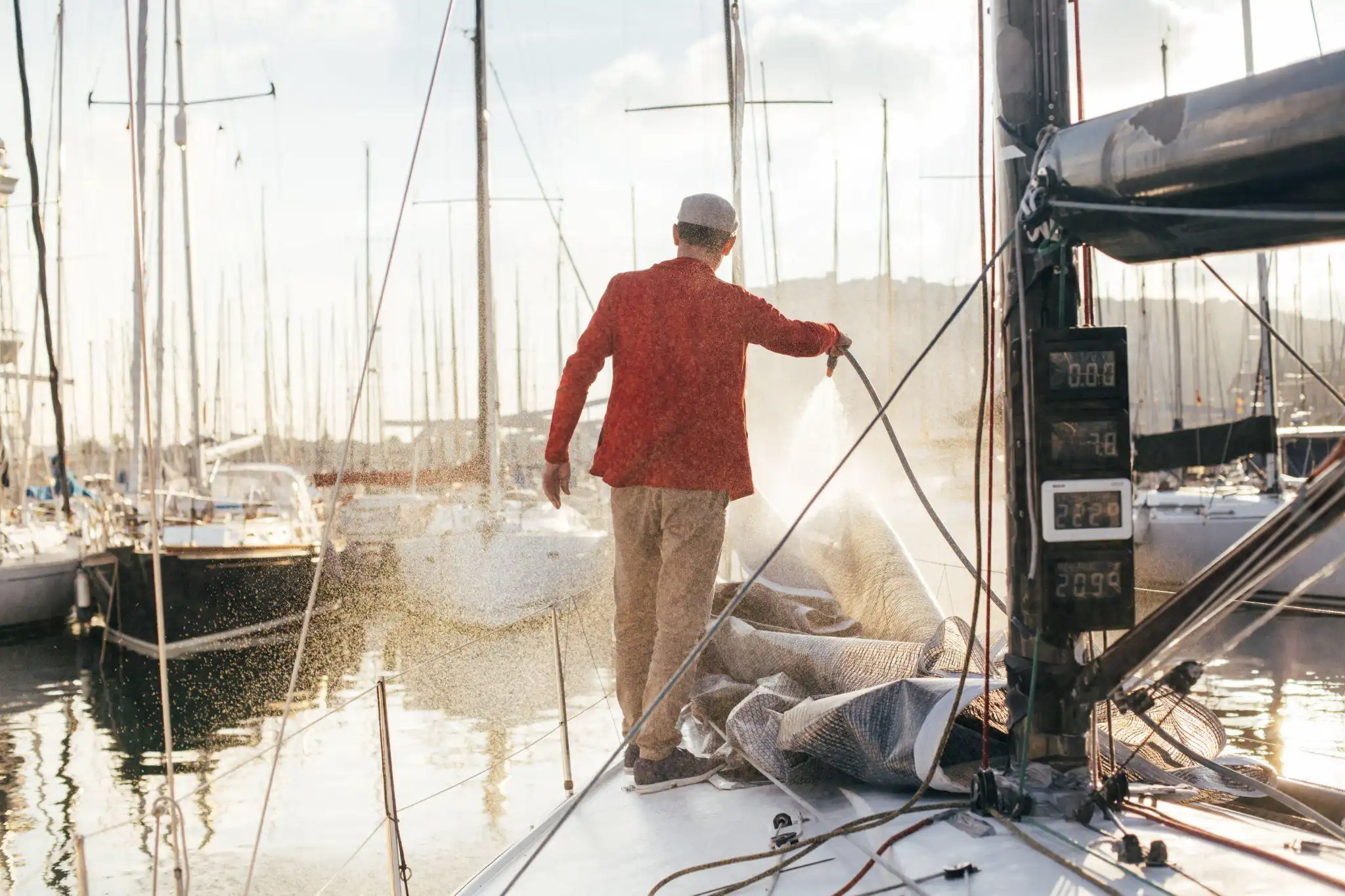
Sailing etiquette is not just a set of rules but a way of showing respect for marine life and your fellow seafarers. To further promote adherence to sailing etiquette, consider Tecomart’s marine communication equipment. Our cutting-edge solutions empower sailors to communicate effectively and responsibly while at sea, enhancing safety and camaraderie among the seafaring community. Find a wide range of marine communication equipment at Tecomart, such as handheld marine VHF, GMDSS, and AIS transponders.
For more tips on safety at sea, check out our essential lifeboat equipment checklist.
by Barani Chettiar | Nov 29, 2023 | Uncategorized
Fishing has long been a source of income and a recreational activity across many generations and cultures. However, as the practice continues across generations, it’s our collective endeavour to ensure the preservation of marine life and its ecosystem. As such, this serves as a guide for anglers to provide insights into sustainable fishing and responsible marine resource utilisation, thereby safeguarding our oceans for future generations.
What Is Sustainable Fishing?
Sustainable fishing represents a conscientious approach to harvesting fish that prioritises the preservation of both aquatic species and the marine environment. This practice aims to maintain a harmonious equilibrium between the pursuit of our angling passion and the safeguarding of our oceans for future generations.
It involves adopting strategies and methods that minimise negative impacts on marine ecosystems while promoting the responsible utilisation of aquatic resources. By adhering to sustainable fishing principles, anglers contribute to the enduring vitality and diversity of marine life while ensuring the enjoyment of their favourite pastime for years to come.
How to Practise Sustainable Fishing
Ensuring sustainable fishing practices is essential to minimise the negative impact on marine life and maintain the health of our aquatic ecosystems. Below are some crucial strategies to help anglers catch fish sustainably while preserving the aquatic environment.
1. Reduce Bycatch
Mitigating the unintentional capture of non-target species, known as bycatch, is a pivotal responsibility for anglers who want to practise sustainable fishing. Selective fishing methods play a crucial role in this endeavour.
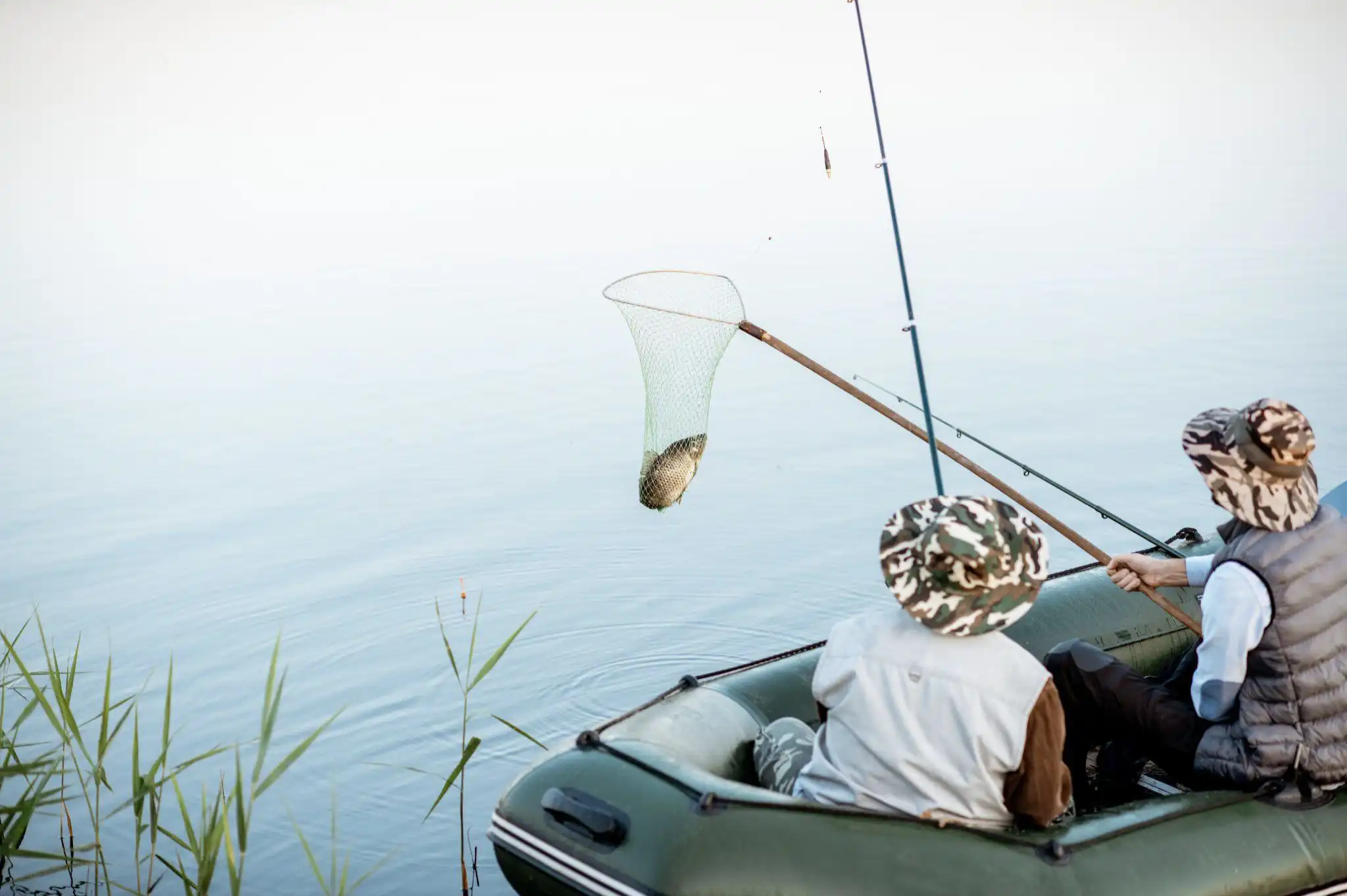
One way to minimise bycatch is for anglers to consider adopting circle hooks, designed to reduce the likelihood of hooking non-target species. Another way is for fishermen to create nets that fit the size of target catches while allowing juveniles or smaller fish species to escape. Moreover, adapting the bait presentation to target desired fish species can also limit bycatches.
2. Prevent Ocean Waste from Plastic Netting
The pressing issue of plastic waste, particularly in the form of discarded netting, presents a significant and urgent challenge to our marine environments. Fishermen can proactively contribute to addressing this environmental concern by embracing sustainable practices. This includes transitioning to fishing nets crafted from biodegradable materials or opting for fish traps strategically positioned to target fish near the water’s surface.
3. Use Lead-Free Fishing Gear
Lead fishing weights can have devastating consequences when ingested by aquatic organisms. To safeguard our waters from lead contamination and protect marine life, anglers are encouraged to embrace lead-free alternatives, such as tungsten or steel weights. This choice not only shields aquatic species from harm but also fosters a healthier and more sustainable aquatic environment where the delicate balance of life beneath the waves can thrive.
4. Reduce the Use of Fossil Fuel
Sustainable fishing extends beyond the water’s surface. Minimising your carbon footprint during fishing expeditions is crucial for environmental conservation. Choose marine navigation equipment that can help you be more efficient while fishing at sea. These technologies reduce the need for excessive fossil fuel consumption, aligning your fishing activities. By reducing your impact on the environment, you contribute to the long-term sustainability of our marine ecosystems.
For Marine Navigation Equipment, Trust Tecomart
When it comes to marine equipment that helps in sustainable fishing practices, Tecomart is a trusted ally for anglers and fishermen alike. Our dedication goes beyond supplying high-quality marine navigation and communication equipment for fishing vessels to elevate the fishing experience – it also encompasses a commitment to minimise their ecological footprint.
Tecomart offers a comprehensive range of marine navigation tools, including fish finders and marine radars, that help enhance efficiency during your sea-bound excursions. These cutting-edge technologies not only empower you with precise navigation but also play a pivotal role in reducing your reliance on fossil fuels.
By trusting us with your marine navigation equipment, you actively contribute to the preservation of our oceans and marine ecosystems while enjoying the utmost efficiency and sustainability in your fishing pursuits.
For more seafaring insights, you can check out our safety guide for sailing at night.
