by Barani Chettiar | Apr 22, 2024 | Uncategorized
Importance of Reliable Marine Radios
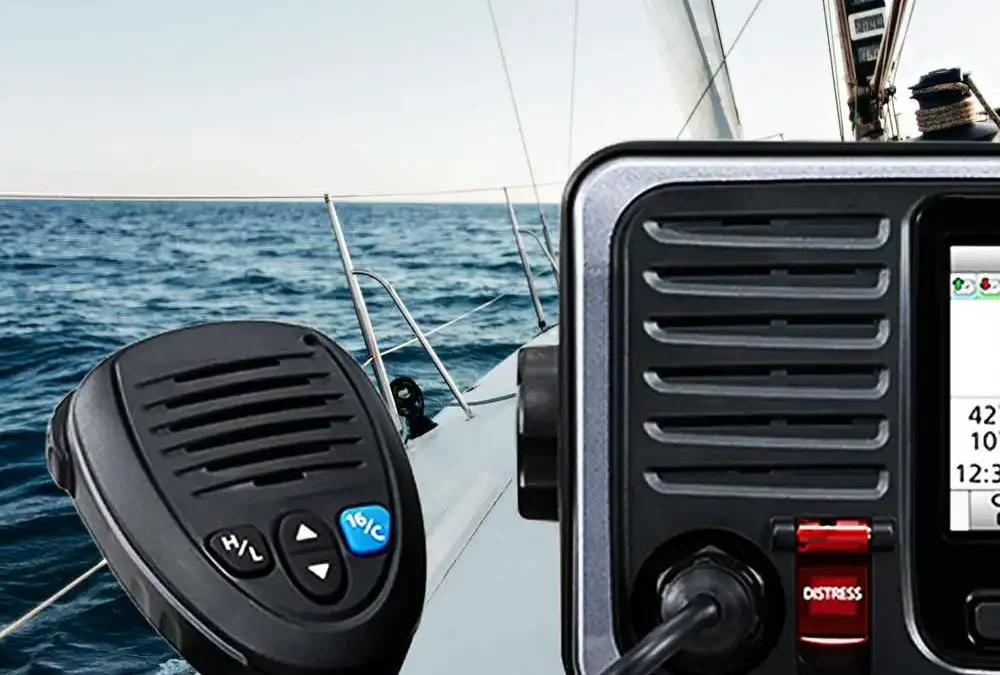
In the dynamic and challenging world of commercial marine operations, reliable communication is not just a convenience – it’s a necessity. The open seas demand a robust and efficient means of communication to ensure the safety, coordination, and overall effectiveness of commercial vessels. In this article, we will explore the critical features to look for in marine radios designed for commercial use and delve into the importance of these features in various scenarios.
Overview of Commercial Use Scenarios
Commercial marine operations encompass a broad spectrum of activities, including shipping, fishing, offshore drilling, and more. These operations often take place in diverse and unpredictable environments, from calm coastal waters to the rough expanses of the open sea. Effective communication is vital for tasks such as coordinating shipping routes, managing fishing operations, and ensuring the safety of crew members. As such, the marine radios used in these scenarios must meet specific requirements to withstand the challenges posed by the marine environment.
Durability and Water Resistance: Impact of Harsh Marine Environments
Commercial vessels face constant exposure to harsh marine elements, including saltwater, humidity, and varying weather conditions. Durability and water resistance are paramount features in marine radios for commercial use. A rugged and waterproof design ensures that the radios can withstand splashes, heavy rain, and even immersion in water, providing durability in the face of the demanding marine environment.
Communication Range and Clarity: Essential for Long-Distance Communication
Commercial vessels often operate over long distances, requiring marine radios with a substantial communication range. VHF (Very High-Frequency) radios are commonly used for short-range communication, while SSB (Single Sideband) radios are essential for long-distance transmissions. Additionally, clear communication is critical, especially in noisy conditions prevalent in marine environments. Features that enhance clarity, such as noise-canceling microphones and advanced signal processing, ensure that messages are heard and understood even amid the roar of engines and crashing waves.
Emergency Features and Compliance: Emergency Alerts, DSC Capabilities, Regulatory Requirements
In the unpredictable realm of the open sea, emergency situations can arise unexpectedly. Marine radios for commercial use must be equipped with features to handle emergencies effectively. This includes:
- Emergency Alerts: Instantaneous broadcasting of distress signals to nearby vessels and maritime authorities.
- Digital Selective Calling (DSC) Capabilities: The ability to send and receive pre-defined digital messages, facilitating automated distress alerts and communication.
- Compliance with Regulatory Requirements: Meeting international regulations and standards set by organizations like the International Maritime Organization (IMO) ensures that commercial vessels remain in compliance with safety protocols.
Compatibility with Other Equipment: Integration with Navigation Systems, Intercoms, etc.
Seamless integration with other onboard equipment is another crucial feature for marine radios in commercial use. These radios should be compatible with navigation systems, intercoms, and other communication tools to enable a cohesive and interconnected communication network on the vessel. This integration enhances operational efficiency and coordination, contributing to the overall effectiveness of commercial marine activities.
Battery Life and Power Source Options
For extended journeys at sea, a reliable power source is essential. Marine radios designed for commercial use should have a sufficient battery life to last through long shifts or voyages. Additionally, having multiple power source options, such as rechargeable batteries and connections to the vessel’s power supply, ensures that communication remains uninterrupted.
Conclusion: Endorsement of Critical Features for Commercial Use
In conclusion, choosing the right marine radios for commercial use requires careful consideration of specific features tailored to the demands of the marine environment. The durability and water resistance of the radios, along with their communication range, clarity, and emergency features, are pivotal in ensuring the safety and efficiency of commercial maritime operations. Compatibility with other equipment and a reliable power source further contribute to the overall effectiveness of communication systems on board. As commercial vessels navigate the vast and unpredictable seas, the endorsement of these critical features becomes a testament to the commitment to safety, reliability, and success in the challenging world of commercial marine operations.

by Barani Chettiar | Apr 20, 2024 | Uncategorized
Importance of Marine Radios
Marine radios are the heartbeat of communication on the water, connecting vessels, ensuring safety, and facilitating efficient operations. Whether used for navigation, coordination, or emergency response, the reliability of marine radios is paramount. However, like any technology, they can encounter issues that hinder their performance. In this article, we’ll explore tips for troubleshooting common marine radio issues to ensure effective communication on the water.
Understanding Common Radio Issues
Before diving into troubleshooting, it’s essential to understand the common issues that marine radios may encounter:
- Power Supply Problems: Issues with power sources and connections.
- Antenna-related Issues: Damaged or poorly maintained antennas affecting signal strength.
- Audio Problems: Challenges with receiving or transmitting clear audio.
- Transmission and Reception Issues: Difficulty in establishing communication with other vessels or stations.
Checking Power Supply and Connections
A common culprit for marine radio issues is power-related problems. To troubleshoot:
- Check Power Source: Ensure the radio is connected to a reliable power source. Verify battery status or power connection to the vessel.
- Inspect Wiring: Examine power cables and connections for damage. Tighten loose connections and replace faulty cables.
- Fuse Inspection: Verify the condition of the fuse. A blown fuse could be a sign of an underlying issue.
Antenna Inspection and Maintenance
The antenna plays a crucial role in signal transmission and reception. Issues with the antenna can result in poor communication:
- Visual Inspection: Look for physical damage, corrosion, or loose connections in the antenna.
- Clean Connections: Ensure antenna connections are clean and free of corrosion. Clean with a corrosion inhibitor if necessary.
- Antenna Height: Verify the antenna’s height and positioning for optimal signal reception.
- Replace Damaged Antennas: If damage is evident, consider replacing the antenna to restore signal strength.
Troubleshooting Audio Problems
Clear audio is essential for effective communication. If you encounter audio issues:
- Volume Check: Ensure the volume is set to an audible level.
- External Interference: Identify and eliminate sources of interference, such as electronic devices or engine noise.
- Microphone Inspection: Check the microphone for damage or loose connections. Replace or repair if needed.
- External Speaker Verification: If using an external speaker, ensure it is functional and connected properly.
Addressing Transmission and Reception Issues
If you’re experiencing challenges in transmitting or receiving signals:
- Check Frequency Settings: Confirm that the radio is tuned to the correct frequency for the intended communication.
- DSC (Digital Selective Calling) Function: Ensure the DSC function is activated and configured correctly for distress calls.
- Transmission Power: Verify that the radio is transmitting at the appropriate power level.
- Weather Conditions: Consider atmospheric conditions that might affect signal propagation, especially in HF (High-Frequency) bands.
Effective Communication on the Water
Troubleshooting common marine radio issues is crucial for maintaining effective communication on the water. Regular inspection, maintenance, and prompt resolution of issues contribute to the reliability and performance of marine radios. In the maritime environment, where conditions can change rapidly, having a well-functioning radio is not just a convenience but a safety imperative. By understanding and addressing common issues related to power, antennas, audio, and transmission, mariners can ensure that their marine radios remain a dependable tool for seamless communication, navigation, and coordination on the vast expanse of the open seas.
by Barani Chettiar | Apr 19, 2024 | Uncategorized
What is GMDSS?
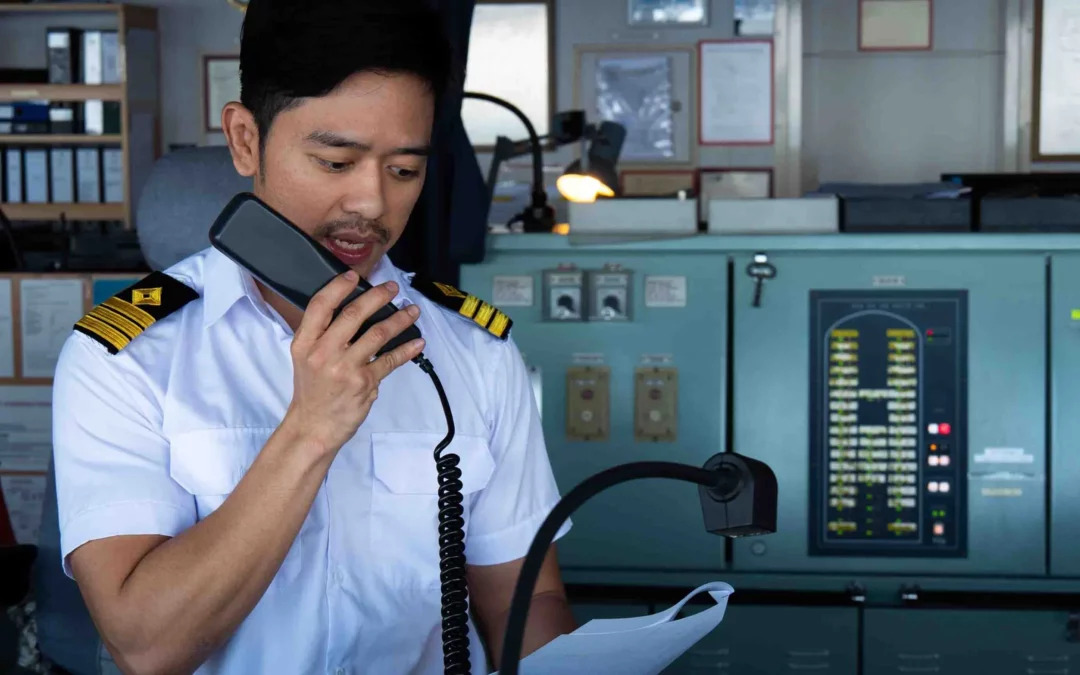
In the vast and unpredictable expanse of the open seas, ensuring communication and safety at all times is a paramount concern for maritime operations. The Global Maritime Distress and Safety System (GMDSS) stands as a beacon of technological innovation and coordination designed to address these concerns. In this article, we will delve into the origins, components, functions, and global significance of GMDSS in enhancing maritime safety.
History of GMDSS Implementation
The need for a comprehensive maritime communication and distress system became evident in the aftermath of several maritime disasters. The International Maritime Organization (IMO) recognized the necessity for a standardized and efficient system, leading to the development and implementation of GMDSS. The concept gained traction in the 1970s and officially became operational on February 1, 1992, marking a significant milestone in maritime safety.
Components of GMDSS
GMDSS integrates various communication technologies and components to create a robust and interconnected system:
- INMARSAT Satellites: GMDSS relies on INMARSAT satellites to provide global coverage for communication, including distress alerts and safety-related information.
- High-Frequency (HF) Radios: HF radios enable long-range communication and are crucial for vessels operating in areas with limited VHF coverage.
- Very High-Frequency (VHF) Radios: VHF radios serve as the primary communication tool in coastal and near-shore regions.
- Emergency Position Indicating Radio Beacons (EPIRBs): EPIRBs automatically transmit distress signals, including vessel identification and location, in case of an emergency.
- Search and Rescue Transponders (SARTs): SARTs assist in locating vessels in distress by responding to radar signals, enhancing visibility during search and rescue operations.
- NAVTEX (Navigational Telex): NAVTEX provides vessels with navigational and meteorological warnings, ensuring timely access to critical information.
Functions and Benefits of GMDSS
The primary functions of GMDSS are to:
- Provide Distress Alerts: GMDSS facilitates the rapid and automated transmission of distress alerts, ensuring immediate response to emergencies.
- Disseminate Safety Information: The system delivers navigational and meteorological warnings, helping vessels navigate safely through changing conditions.
- Facilitate Search and Rescue Operations: GMDSS enhances the efficiency of search and rescue operations by providing accurate and timely information about distress situations.
The benefits of GMDSS are far-reaching, encompassing improved communication, enhanced safety, and increased chances of survival in emergency situations.
Importance in Maritime Safety
GMDSS plays a pivotal role in enhancing maritime safety through:
- Rapid Distress Response: The automated nature of distress alerts ensures that response efforts are initiated swiftly, minimizing the impact of emergencies.
- Global Coverage: GMDSS utilizes a network of satellites to provide coverage across the entire globe, ensuring that vessels are not isolated in distress situations.
- Interconnected Communication: The integration of various communication technologies ensures that vessels can communicate seamlessly, both with each other and with onshore authorities.
- Timely Information: GMDSS delivers timely and relevant information, including navigational warnings and weather updates, enabling vessels to make informed decisions and avoid potential hazards.
Global Coverage and Regulations
GMDSS operates on a global scale, covering all seas and oceans. The system is regulated by the International Maritime Organization (IMO), ensuring uniform standards and compliance across the maritime industry. Vessels of certain sizes and classes are required to be equipped with GMDSS-compliant communication systems, emphasizing the universal commitment to maritime safety.
The Critical Role of GMDSS
In conclusion, GMDSS stands as a testament to the maritime industry’s dedication to safety and communication. Its evolution from a concept to a globally implemented system reflects a collective commitment to minimizing the risks and maximizing the safety of seafarers. The components, functions, and benefits of GMDSS underscore its critical role in maritime safety, ensuring that vessels can communicate, respond, and navigate effectively in the ever-changing and sometimes perilous conditions of the open seas. As technology continues to advance, GMDSS remains a cornerstone of maritime safety, embodying the shared responsibility to protect and support those who venture into the vastness of the world’s oceans.
by Barani Chettiar | Apr 18, 2024 | Uncategorized
Importance of a Reliable Marine Radio Antenna
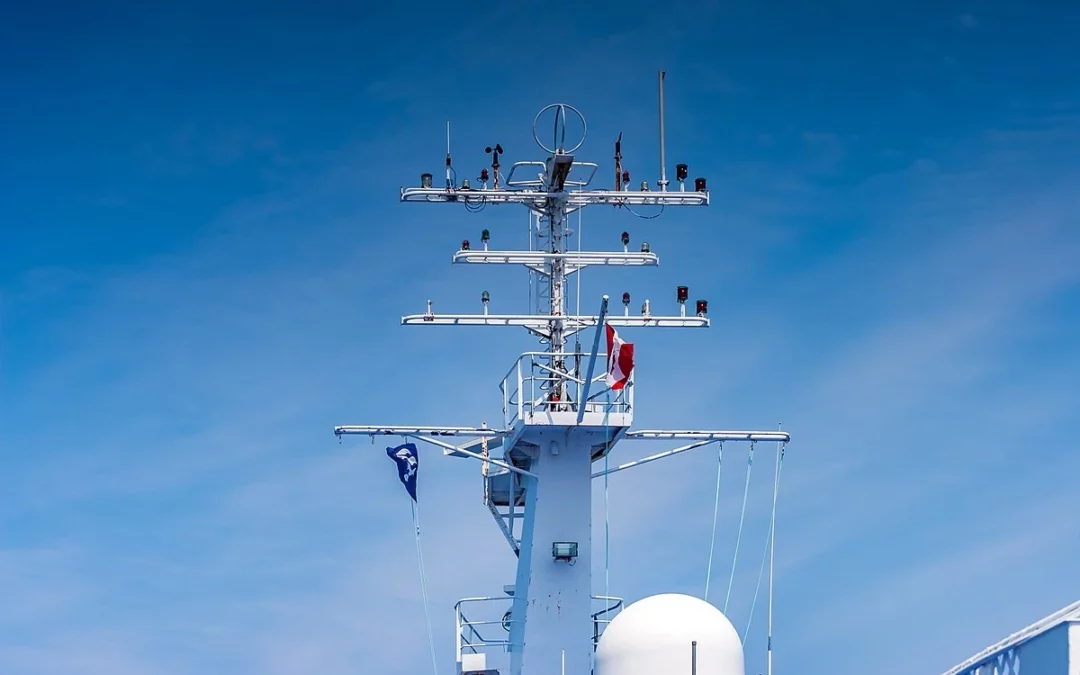
In the expansive world of maritime communication, a reliable marine radio antenna is not just an accessory; it’s a lifeline. As vessels navigate the open seas, the effectiveness of communication is often determined by the quality and suitability of the antenna. Choosing the right marine radio antenna is, therefore, a critical decision that directly impacts the safety, efficiency, and overall performance of a vessel.
Understanding the Different Types of Antennas
Marine radio antennas come in various types, each designed to cater to specific needs and conditions at sea. The two primary categories are VHF antennas and SSB antennas. Very High-Frequency (VHF) antennas are common for short-range communication, while Single Sideband (SSB) antennas are ideal for long-range transmissions. Understanding the differences in these antennas is essential for selecting the one that aligns with the communication requirements of the vessel.
Factors to Consider When Choosing an Antenna
Several factors should guide the selection of a marine radio antenna:
- Frequency Range: Ensure that the antenna’s frequency range matches that of your marine radio.
- Antenna Gain: Consider the antenna’s gain, which determines its ability to transmit and receive signals efficiently.
- Antenna Length: Longer antennas generally provide better performance, especially for VHF communication.
- Mounting Options: Choose an antenna with a mounting style that suits your vessel – options include mast-mounted, deck-mounted, and rail-mounted antennas.
- Material and Build Quality: Opt for antennas constructed from durable and corrosion-resistant materials to withstand the harsh marine environment.
Installation Tips for Optimal Performance
Installing a marine radio antenna requires careful consideration to ensure optimal performance:
- Antenna Height: Mount the antenna as high as possible to reduce signal obstructions and improve line-of-sight communication.
- Proper Grounding: Ensure a proper grounding system to dissipate static electricity and protect the vessel’s electronics.
- Cable Quality: Use high-quality coaxial cables with minimal signal loss for efficient transmission.
Maintenance and Care for Longevity
To maximize the lifespan and effectiveness of a marine radio antenna, regular maintenance is crucial. Perform the following tasks:
- Visual Inspections: Regularly inspect the antenna for any signs of wear, corrosion, or damage.
- Cleaning: Keep the antenna clean from salt deposits, bird droppings, and other debris.
- Tightening Connections: Periodically check and tighten all connections to maintain signal integrity.
Popular Marine Radio Antenna Brands
Several reputable brands are known for producing high-quality marine radio antennas:
- Shakespeare Marine Antennas: Renowned for their durable and high-performance antennas, Shakespeare offers a wide range of options for different marine communication needs.
- Digital Antenna: Known for their innovative designs and reliable products, Digital Antenna produces marine antennas with a focus on durability and signal clarity.
- Comrod: Specializing in VHF and SSB antennas, Comrod is recognized for delivering robust and efficient marine communication solutions.
Choose Wisely for Seamless Communication at Sea
Selecting the right marine radio antenna is a decision that impacts the safety and efficiency of maritime communication. By understanding the different types of antennas, considering key factors during the selection process, and following proper installation and maintenance practices, vessel operators can ensure seamless communication at sea. Reputable brands like Shakespeare Marine Antennas, Digital Antenna, and Comrod offer a variety of options to cater to diverse marine communication needs. As vessels embark on their journeys across the open waters, a wisely chosen marine radio antenna becomes not just a tool, but a dependable companion for reliable and effective communication.

by Barani Chettiar | Apr 17, 2024 | Uncategorized
Importance of Marine Radios at Sea
The vastness of the open sea presents challenges and uncertainties that demand effective communication tools to ensure the safety of maritime operations. Among these tools, marine radios stand out as indispensable lifelines that play a crucial role in emergencies. In this article, we explore the pivotal role of marine radios in addressing emergency situations at sea and the vital functions they serve in safeguarding lives and vessels.
Functionality of Marine Radios for Communication
Marine radios serve as the primary means of communication for vessels at sea. Their functionality extends beyond conventional two-way radios, offering the capability to transmit and receive vital information across specified maritime frequencies. These radios are specially designed to withstand the harsh marine environment, ensuring reliable communication even in challenging conditions such as adverse weather, heavy seas, or low visibility.
Emergency Protocols and Procedures for Using Radios
In emergency situations, standardized protocols and procedures are crucial for effective communication. The International Maritime Organization (IMO) has established guidelines for maritime emergency communication, emphasizing the use of marine radios to relay distress signals. Crew members are trained to follow these protocols, which include the use of specific frequencies for distress calls, the internationally recognized distress signal “Mayday,” and other standardized communication practices.
Role of Marine Radios in Distress Calls
The ability to broadcast distress calls is one of the paramount functions of marine radios. Distress calls, typically initiated with the urgency-filled word “Mayday,” convey critical information about the nature of the emergency, the vessel’s position, and the number of people on board. The marine radio’s reach and reliability in distress situations make it an essential tool for quickly alerting nearby vessels, maritime authorities, and search and rescue teams to the urgent need for assistance.
Advantages of Using Marine Radios Over Other Methods
While modern technology offers various communication methods, marine radios remain unmatched in certain aspects, particularly in emergency situations. Unlike mobile phones, marine radios don’t rely on cellular networks, ensuring communication continuity even in remote areas or during network failures. Additionally, marine radios operate on dedicated maritime frequencies, allowing for clear and direct communication without the potential congestion often experienced on other communication channels.
Case Studies of Successful Radio Communications at Sea
Numerous real-life scenarios highlight the critical role of marine radios in emergency situations. One notable case involved a vessel experiencing engine failure in rough seas. The distressed captain utilized the marine radio to transmit a Mayday call, prompting a nearby ship to respond and provide assistance. The effective communication facilitated a successful tow operation, preventing the vessel from drifting into more perilous waters.
Another case involved a medical emergency on board a yacht far from the coastline. The crew utilized the marine radio to establish contact with maritime authorities, enabling them to coordinate a timely medical evacuation. The radio’s reliability and immediate accessibility played a decisive role in the successful resolution of the emergency.
Marine Radios Vital for Safety at Sea
In the dynamic and often unpredictable maritime environment, the role of marine radios in emergency situations cannot be overstated. Their functionality, standardized protocols, and ability to transmit distress calls make them invaluable tools for ensuring the safety of vessels and their crews. The advantages of using marine radios over other communication methods, coupled with real-life case studies demonstrating their effectiveness, underscore their vital role in safeguarding lives and maintaining the resilience of maritime operations. As technology continues to advance, marine radios remain a cornerstone of safety at sea, serving as the reliable bridge that connects vessels with assistance when it is needed most.
