by Barani Chettiar | Apr 27, 2024 | Uncategorized
Introduction: Importance of EPIRB in Maritime Emergencies
In the unpredictable realm of maritime environments, where rapid response is often the difference between life and death, Emergency Position Indicating Radio Beacons (EPIRBs) stand as crucial devices for ensuring the safety of vessels and their crew members. This article delves into the essential role of EPIRBs in maritime safety, exploring their definition, types, operation, benefits, and the regulatory framework governing their use.
What is an EPIRB: Definition and Purpose
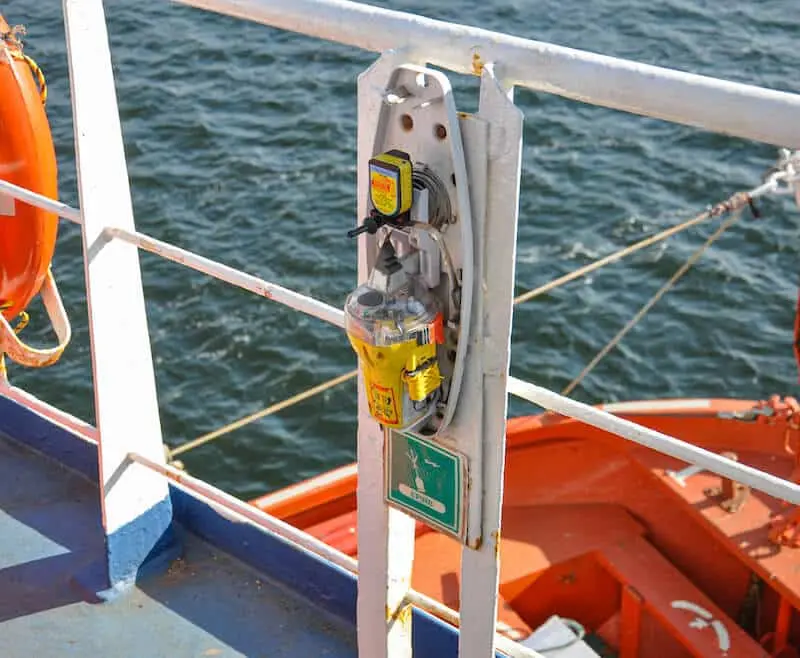
An EPIRB, or Emergency Position Indicating Radio Beacon, is a distress signal device designed to transmit a radio signal in the event of an emergency at sea. Its primary purpose is to alert search and rescue authorities to the precise location of a vessel in distress, enabling a swift and coordinated response. EPIRBs are equipped with a Global Positioning System (GPS) receiver, ensuring accurate positioning information is included in the distress signal.
Types of EPIRB: Category Distinctions and Features
There are two main categories of EPIRBs:
- Category I EPIRBs: These are designed to automatically float free from a sinking vessel and activate when submerged. They are equipped with hydrostatic release mechanisms, ensuring deployment in case of a maritime emergency.
- Category II EPIRBs: Typically manually activated, these beacons are intended for use on vessels that remain afloat. They are manually deployed by the crew when distress situations arise.
EPIRBs also come in two frequencies: the traditional 121.5 MHz frequency, and the modern 406 MHz frequency, which provides more accurate positioning and is the standard for satellite-based search and rescue systems.
How Does an EPIRB Work: Operation Process Explained
When activated, an EPIRB sends a distress signal via satellite and, in the case of Category II beacons, can also emit a homing signal on the 121.5 MHz frequency for local search and rescue teams. The satellite signal ensures global coverage, allowing for a rapid response even in remote maritime regions. The integrated GPS receiver provides precise location data, significantly reducing search time and increasing the chances of successful rescue operations.
Benefits of EPIRB in Saving Lives
The primary benefit of EPIRBs is their capacity to save lives in emergencies. The swift and accurate transmission of distress signals ensures that search and rescue teams can quickly locate and reach vessels in distress. The integration of GPS technology enhances the precision of locating distressed vessels, minimizing search areas and expediting rescue operations. The timely response facilitated by EPIRBs significantly increases the likelihood of successful outcomes in maritime emergencies.
Regulations and Requirements for EPIRB Use
The use of EPIRBs is governed by international regulations, including those set by the International Maritime Organization (IMO). These regulations mandate the carriage of EPIRBs on certain types of vessels, specifying the type, frequency, and proper functioning of the beacons. Regular testing and maintenance are required to ensure the reliability of EPIRBs when needed most. Compliance with these regulations is not only a legal requirement but also a fundamental aspect of responsible maritime operation.
Conclusion: Vital Role of EPIRB in Maritime Safety
In conclusion, EPIRBs play a vital role in ensuring maritime safety by providing an effective and reliable means of signaling distress in emergencies. Their capacity to transmit accurate location data swiftly to search and rescue authorities contributes significantly to the success of rescue operations. Understanding the distinctions between EPIRB categories, their operational processes, and the regulatory requirements governing their use is essential for maritime professionals and vessel operators. As vessels traverse the unpredictable waters, the deployment of EPIRBs becomes more than a safety measure; it becomes a beacon of hope, enabling a rapid and coordinated response that can make all the difference in saving lives at sea.
by Barani Chettiar | Apr 26, 2024 | Uncategorized
Introduction: Overview of AIS Technology in Ports
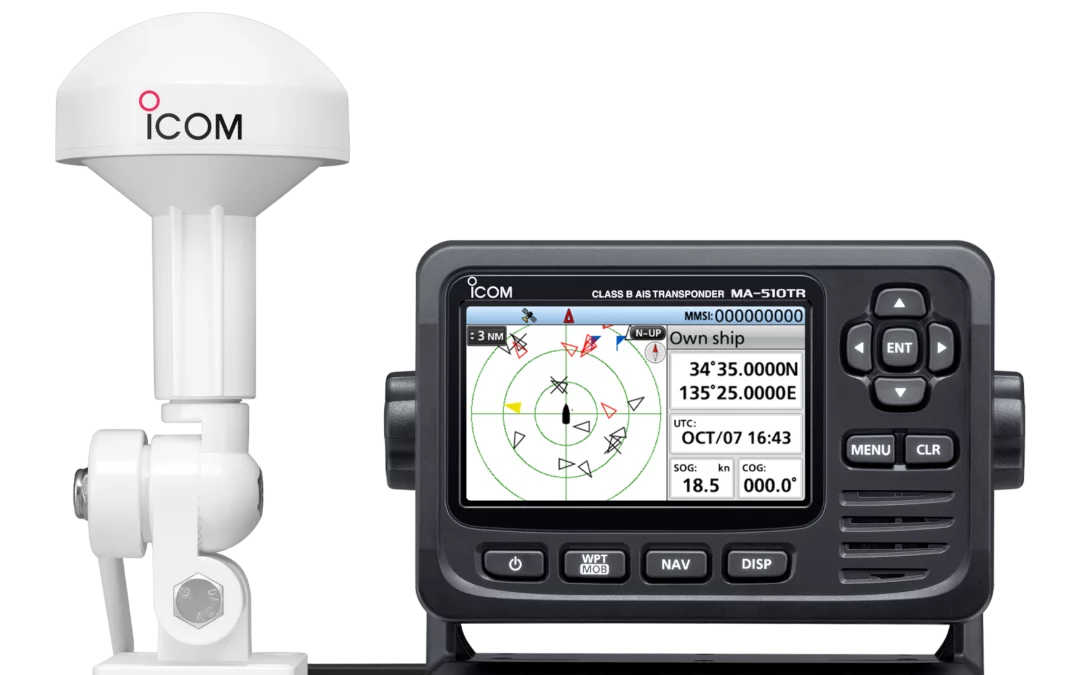
In the ever-evolving landscape of maritime technology, Automatic Identification System (AIS) has emerged as a transformative force in vessel traffic management, particularly within commercial ports. AIS technology, initially designed for collision avoidance, has evolved to become a cornerstone in optimizing vessel tracking and management, enhancing safety measures, and integrating seamlessly with port operations.
Evolution: Development and Adoption of AIS
The development of AIS can be traced back to the late 20th century when maritime authorities sought a reliable system for avoiding collisions and ensuring the safe navigation of vessels. The International Maritime Organization (IMO) mandated the adoption of AIS on certain types of vessels in 2002. Since then, AIS has undergone significant advancements, and its adoption has become widespread, transforming how vessel traffic is managed in commercial ports globally.
Efficiency: Improved Vessel Tracking and Management
One of the primary impacts of AIS on commercial ports is the improvement in vessel tracking and management. AIS enables real-time tracking of vessels within the port, providing harbor authorities, port operators, and other stakeholders with accurate and up-to-date information on the location, speed, and identity of each vessel. This real-time data facilitates more efficient traffic management, reducing congestion, and optimizing the allocation of berths and resources.
Safety: Enhancing Maritime Safety Measures
AIS has had a profound impact on maritime safety within commercial ports. By providing continuous updates on vessel movements, AIS contributes to the prevention of collisions and groundings. The technology enhances situational awareness for both vessel operators and port authorities, allowing for proactive measures to avoid potential hazards. The integration of AIS data with radar and other sensor systems further enhances safety measures, creating a comprehensive maritime safety net within the port environment.
Integration: AIS Integration with Port Operations
The integration of AIS technology with various port operations has become a key element in modern port management. Port authorities utilize AIS data to optimize traffic flow, plan efficient berthing schedules, and enhance overall operational efficiency. The seamless integration of AIS with port operations ensures that decision-makers have access to a comprehensive and real-time picture of vessel movements, enabling them to make informed and timely decisions.
Challenges: Issues and Limitations Faced
While AIS technology has brought significant improvements, it is not without its challenges. The potential for signal interference, data reliability issues, and the occasional lack of standardized practices among vessels can pose challenges to the accuracy and effectiveness of AIS. Additionally, cyber threats and the need for secure data transmission have become concerns that require continuous attention and technological advancements to address.
Future Prospects: Advancements and Potential Developments
Looking ahead, the future of AIS in vessel traffic management holds promise for further advancements and refinements. The integration of Artificial Intelligence (AI) and machine learning into AIS systems is anticipated to enhance predictive analytics, allowing for more proactive decision-making. Moreover, the development of advanced sensors and communication technologies is expected to address some of the current limitations and contribute to the continuous evolution of AIS in commercial ports.
Conclusion: Positive Impact of AIS on Port Management
In conclusion, the impact of AIS technology on vessel traffic management in commercial ports is overwhelmingly positive. From its early days as a collision avoidance tool to its current status as a cornerstone in port operations, AIS has played a pivotal role in enhancing efficiency, safety, and integration within ports. The continuous evolution of AIS, along with ongoing efforts to address challenges and embrace technological advancements, positions this technology as a driving force in the future of maritime traffic management. As commercial ports navigate the complexities of modern shipping, AIS stands as a beacon, guiding vessels safely and efficiently through the bustling waterways, ultimately contributing to the seamless functioning of ports worldwide.
by Barani Chettiar | Apr 25, 2024 | Uncategorized
Importance of Communication in Search and Rescue
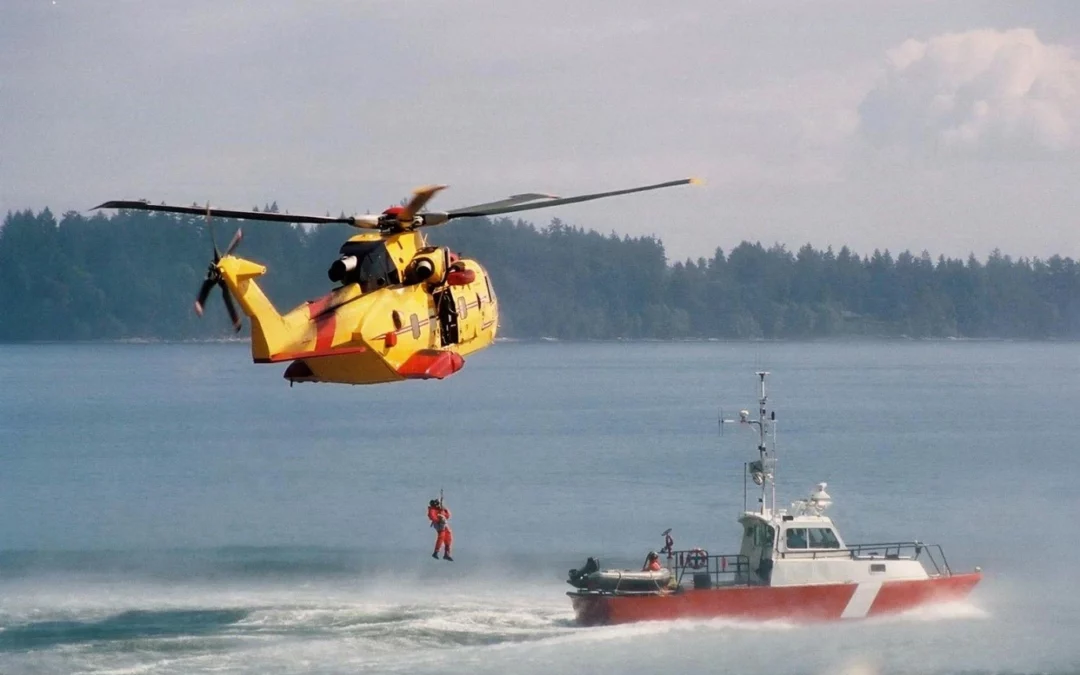
In the vast expanse of the open sea, where unpredictability is the norm, effective communication plays a pivotal role in search and rescue operations. Whether responding to distress calls, coordinating efforts, or ensuring the safety of those in peril, communication is the linchpin of successful search and rescue missions.
How Marine Radios Aid in Distress Calls
Marine radios serve as the primary means for vessels to send distress signals in emergency situations. Distress calls, often initiated using Digital Selective Calling (DSC) features, transmit crucial information, including vessel identification, location, and the nature of the emergency. This rapid and standardized method of communication ensures that distress signals are swiftly and accurately received by nearby vessels and maritime authorities, initiating the necessary response mechanisms.
Coordination with Emergency Responders
Effective coordination with emergency responders is paramount in search and rescue operations. Marine radios enable real-time communication between distressed vessels and response teams, facilitating the exchange of critical information. Emergency responders can provide guidance, coordinate rescue efforts, and convey vital instructions to ensure the safety of those in distress.
Range and Reliability of Marine Radios
The range and reliability of marine radios are critical factors in search and rescue operations. Very High-Frequency (VHF) radios, commonly used in the maritime industry, offer a balance between sufficient range and clarity for distress communication. The line-of-sight nature of VHF signals is advantageous in coastal and near-shore environments, where search and rescue operations often occur.
Advancements in Radio Technology
Advancements in radio technology have significantly enhanced the capabilities of marine radios in search and rescue scenarios. Global Maritime Distress and Safety System (GMDSS) advancements integrate satellite communication, providing global coverage and ensuring that distress signals reach emergency responders even in remote or international waters. Additionally, innovations like Automatic Identification System (AIS) further enhance vessel tracking, aiding in the quick location and response to distress situations.
Training Requirements for Effective Radio Use
While technology plays a crucial role, the effectiveness of marine radios in search and rescue operations also depends on the competence of the users. Proper training is essential to ensure that operators understand radio protocols, emergency procedures, and the use of advanced features like DSC. Training programs focus on enhancing the proficiency of maritime professionals in utilizing radio equipment effectively during critical situations.
Conclusion: Marine Radios Crucial for Saving Lives
In conclusion, the role of marine radios in search and rescue operations cannot be overstated. The importance of communication in distress situations, coupled with the capabilities of marine radios to aid in distress calls, coordinate with emergency responders, and provide reliable communication, underscores their crucial role in saving lives at sea. The range and advancements in technology further expand the reach and effectiveness of marine radios in diverse maritime environments.
While the technological capabilities continue to evolve, emphasizing the need for ongoing training to enhance operator competence remains paramount. As vessels traverse the open waters, facing the inherent risks of the maritime environment, the reliability and efficiency of marine radios stand as a beacon of hope in times of distress. In the realm of search and rescue, where every moment counts, marine radios emerge as indispensable tools, embodying the commitment to safety, communication, and the preservation of human life on the high seas.

by Barani Chettiar | Apr 24, 2024 | Uncategorized
Introduction: Importance of Radio Regulations in the Marine Industry
In the vast expanse of the commercial marine industry, where safety, communication, and coordination are paramount, adhering to radio regulations is a non-negotiable aspect of operational success. Radio regulations establish a framework for reliable communication, ensuring vessels operate safely and efficiently in the dynamic and often challenging maritime environment. In this article, we explore the nuances of navigating radio regulations and the critical importance of compliance in the commercial marine industry.
Overview of Radio Regulations: Global vs. Regional Standards
Radio regulations in the commercial marine industry are a combination of global and regional standards. While international agreements, such as those set by the International Telecommunication Union (ITU), provide a global framework, individual countries or regions may have additional regulations to address specific concerns. These regulations cover a spectrum of aspects, from frequency allocations and licensing requirements to equipment standards and emergency communication protocols.
Key Compliance Requirements: Licensing, Equipment Standards, Monitoring
Compliance in the commercial marine industry involves meeting various key requirements:
- Licensing: Operators must obtain valid licenses to operate radio equipment. These licenses often require demonstrating proficiency in operating the equipment and understanding communication protocols.
- Equipment Standards: Vessels must use radio equipment that meets specified standards to ensure reliability and compatibility. These standards cover everything from the type of radio used to the technical specifications of the equipment.
- Monitoring: Compliance includes regular monitoring of radio communications to ensure adherence to regulations. This involves checking for proper frequency usage, verifying licenses, and ensuring that emergency communication protocols are followed.
Challenges in Compliance: Complexity, Changing Regulations, Enforcement
While compliance is essential, several challenges exist in navigating radio regulations in the commercial marine industry:
- Complexity: The sheer complexity of regulations, encompassing both global and regional standards, can pose challenges for operators and regulatory authorities alike.
- Changing Regulations: The maritime landscape is dynamic, with regulations evolving to address emerging challenges. Keeping abreast of these changes and ensuring compliance can be demanding.
- Enforcement: Enforcement of regulations is a significant challenge, especially in international waters. Coordination among different maritime authorities is crucial for effective enforcement.
Best Practices for Compliance: Regular Training, Documentation, Communication
Effective compliance requires the adoption of best practices:
- Regular Training: Continuous training ensures that operators are aware of the latest regulations, equipment usage guidelines, and emergency communication protocols.
- Documentation: Maintaining accurate and up-to-date documentation, including licenses, equipment certifications, and communication logs, is essential for proving compliance.
- Communication: Establishing clear communication channels within and between vessels, as well as with regulatory authorities, fosters a culture of compliance and enhances safety.
Technology Solutions for Compliance: SDRs, Automation Tools
Technology plays a crucial role in addressing compliance challenges in the commercial marine industry:
- Software-Defined Radios (SDRs): SDRs provide flexibility in adapting to changing frequency requirements and standards. Their programmable nature allows for efficient compliance with evolving regulations.
- Automation Tools: Automated monitoring tools can assist in real-time surveillance of radio communications, helping identify and address compliance issues promptly.
Conclusion: Emphasize Importance of Compliance for Safety
In conclusion, navigating radio regulations and ensuring compliance in the commercial marine industry is a multifaceted challenge with far-reaching implications for safety and operational efficiency. Striking a balance between global and regional standards, understanding key compliance requirements, and addressing challenges through best practices and technology solutions are crucial for success. Compliance isn’t merely a regulatory obligation; it is a fundamental pillar supporting the safety of vessels, crew members, and the marine environment. As the commercial marine industry continues to evolve, embracing a proactive approach to radio regulations is not just a matter of adherence but an investment in the safety and success of maritime operations on a global scale.
by Barani Chettiar | Apr 23, 2024 | Uncategorized
Licensing Requirements: Legal Obligations for Operators
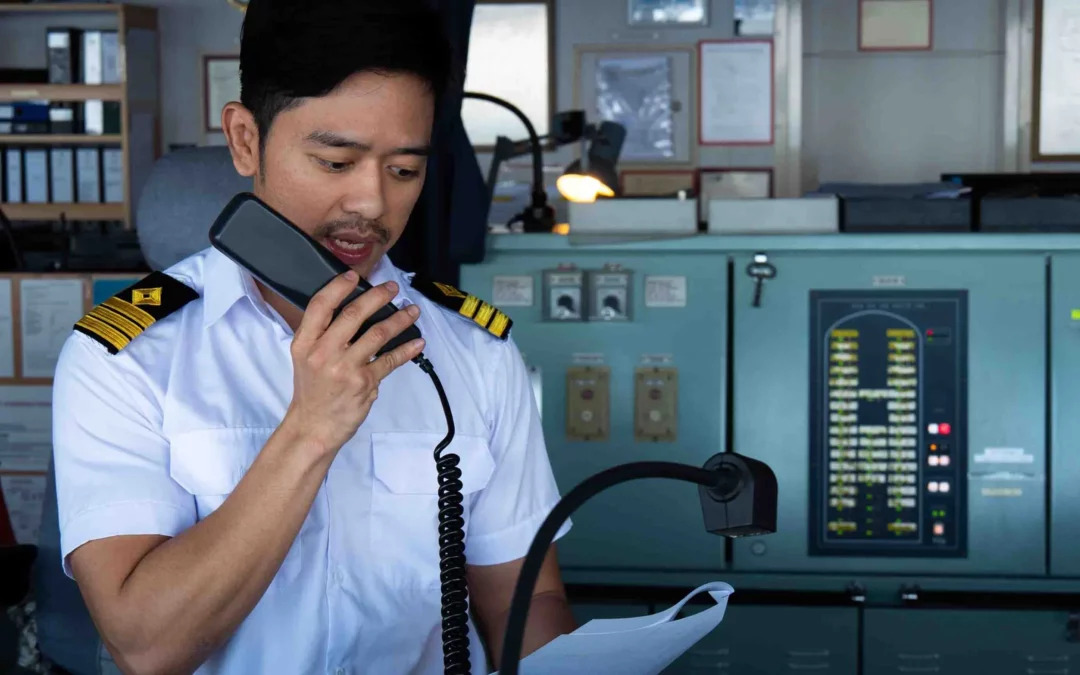
Marine radio operators are subject to specific licensing requirements, mandated by maritime authorities to uphold legal and safety standards. Obtaining a valid radio operator’s license is a legal obligation for individuals responsible for operating marine communication equipment. These licenses are issued based on demonstrated knowledge and competence, ensuring that operators possess the necessary skills to navigate the complexities of maritime communication.
Safety and Emergency Communication: Critical During Distress Situations
In the unpredictable environment of the open sea, where emergencies can arise suddenly, the proficiency of marine radio operators becomes paramount. Properly licensed operators are trained to handle distress situations, transmitting accurate and timely distress signals using internationally recognized distress frequencies. Their expertise in emergency communication contributes significantly to the efficiency of search and rescue operations, ultimately enhancing the safety of vessels and their crews.
Quality Assurance: Ensuring Effective Communication on the Water
Quality assurance in maritime communication is a linchpin of safe and efficient operations. Licensed marine radio operators undergo rigorous training and examinations to ensure that they can operate communication equipment effectively. This proficiency extends to using the appropriate channels, understanding radio protocols, and maintaining clear and concise communication. Properly licensed operators play a crucial role in preventing communication breakdowns, fostering reliable communication networks on the water.
Professionalism and Competence: Enhancing Credibility and Reliability
Professionalism is a hallmark of competent marine radio operators. Licensing and certification not only attest to an individual’s technical proficiency but also reflect their commitment to upholding ethical standards and adhering to industry best practices. This professionalism instills confidence in vessel owners, crew members, and maritime authorities, ensuring that communication tasks are entrusted to individuals who possess the requisite skills and dedication to their roles.
Training and Education: Importance of Ongoing Learning
The maritime industry is dynamic, with advancements in technology and changes in regulations occurring regularly. Proper licensing and certification emphasize the importance of ongoing learning for marine radio operators. Continuous training ensures that operators stay abreast of technological developments, maintain familiarity with updated communication protocols, and adapt to changes in the maritime landscape. This commitment to education enhances their ability to navigate the evolving challenges of maritime communication effectively.
Conclusion: Vital Role in Maritime Safety Operations
In conclusion, the importance of proper licensing and certification for marine radio operators cannot be overstated. These individuals serve as the backbone of communication in the maritime industry, ensuring the safety, coordination, and success of vessels at sea. Licensing requirements establish legal obligations, setting a standard for professionalism, competence, and adherence to safety protocols. Properly licensed operators contribute to quality assurance, fostering reliable communication networks and preventing breakdowns that could jeopardize maritime operations. Their commitment to ongoing training and education reflects a dedication to staying at the forefront of industry advancements, ultimately playing a vital role in maritime safety operations. As vessels continue to navigate the challenges of the open sea, licensed and certified marine radio operators stand as guardians of effective communication, promoting safety and efficiency on the water.
