Your marine navigation equipment is supposed to help you when you set sail and achieve your intended goals. But when you’re not equipped with the latest technology, you could be at a disadvantage out there in the sea.
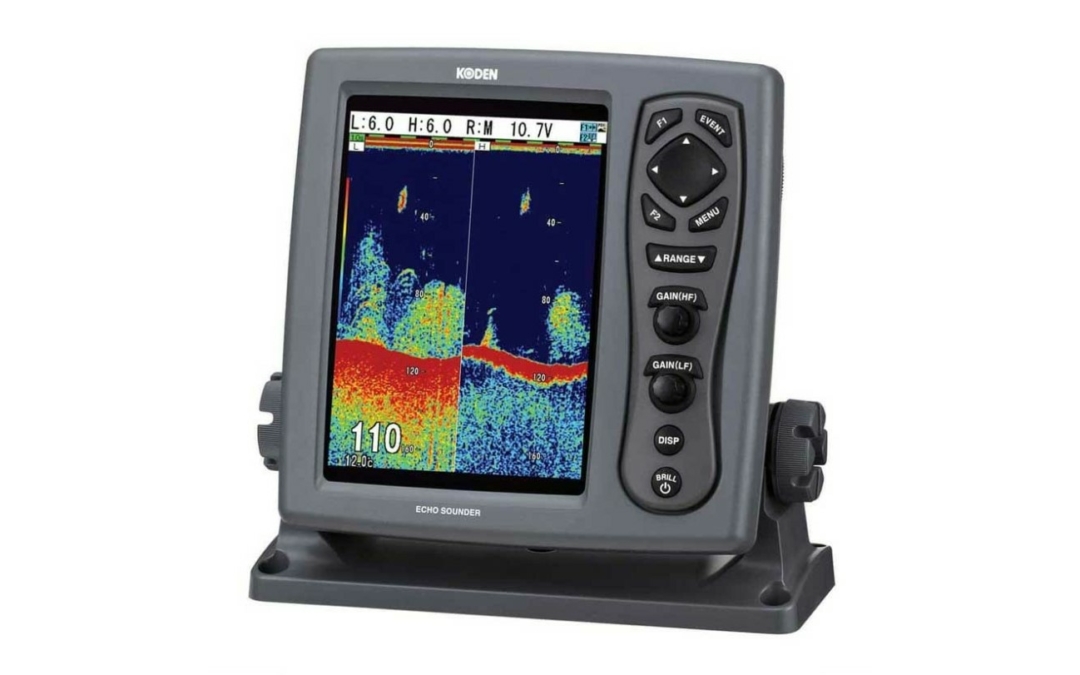
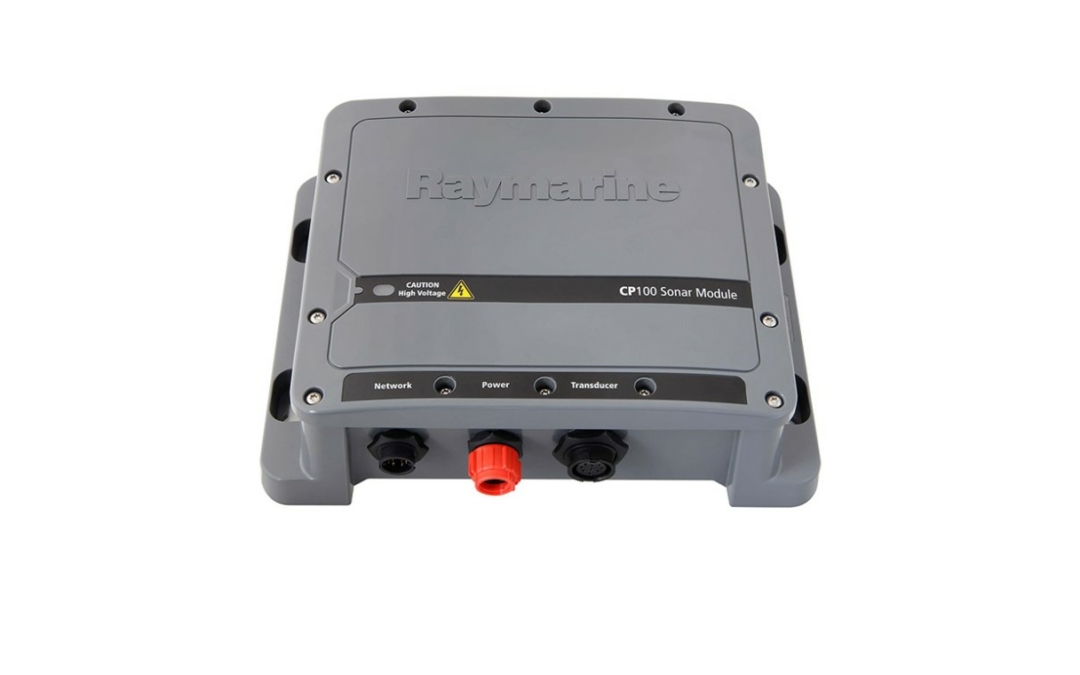
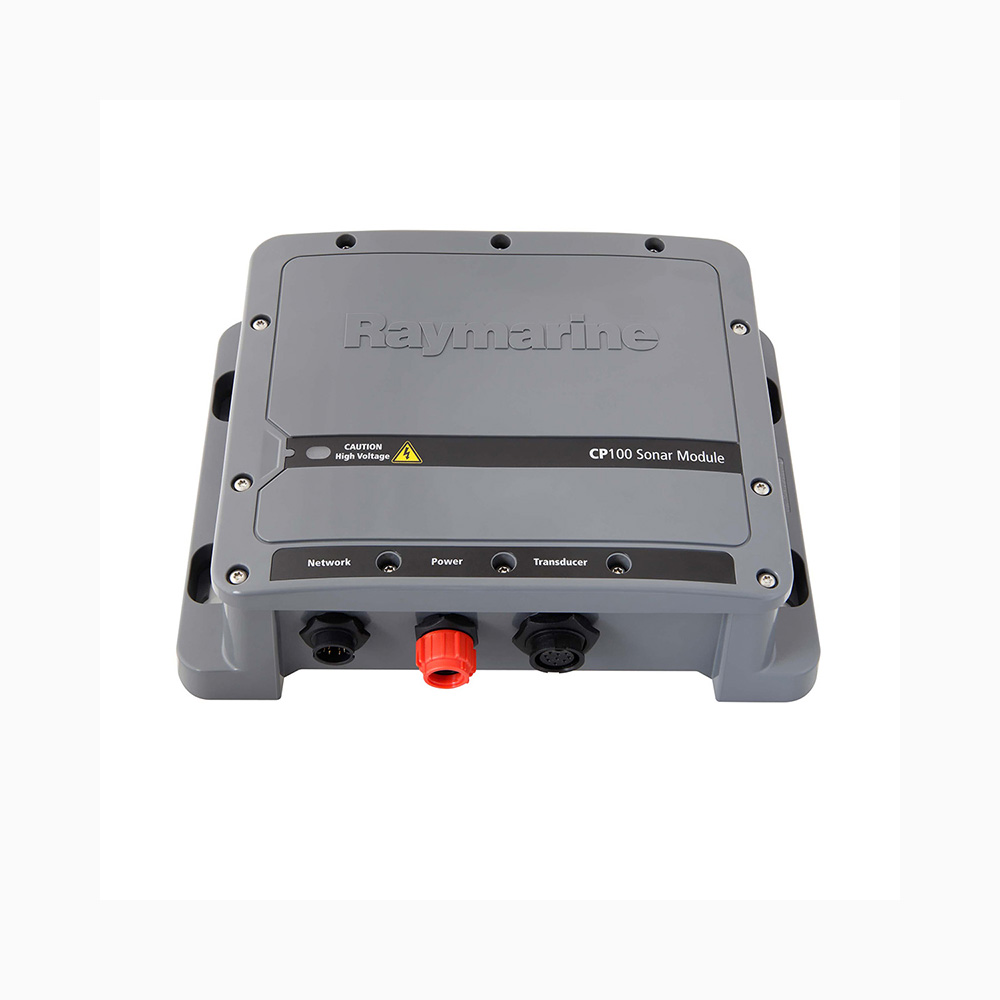
If the echo sounder or fishfinder you have been using for many years still works, you might not be considering investing in a new one just yet. However by sticking to your outdated device, you might be limiting yourself and missing opportunities for a more abundant catch. Tecomart carries fish finders from renowned brands such as the Koden CVS-126 (pictured), Raymarine Echo Sounder / Fish Finder CP100 DownVision (E70204), and Samyung ENC F430 in a variety of features and configurations to suit your vessel’s needs.
So, how do you know it’s time to browse the market for a new fish finder?
1. Defects Are Showing
When your fish finder has been used for many years, it might succumb to the usual wear and tear. Regularly troubleshooting your device will help you detect potential inconsistencies, malfunctions, or defects early.
2. Better Features are Now Available
By comparing your old fish finder with newer devices in the market, you can identify any gaps in features your current device lacks. If newer fish finders come equipped with features that make locating schools of fishes easier, perhaps it’s time for an upgrade – regardless of the cost. Instead of settling with the limited features of your old marine navigation equipment, think of the better functionalities and range of the latest ones.
3. It Makes it Easier to Keep Up with Competitors
If your business relies on commercial fishing, you need to meet the market’s changing demand and keep up with your competitors. Keeping up with new equipment is an essential part of staying ahead of the crowd. That’s why when new fish finder devices come out with features that exceed your current capabilities, perhaps it’s time to invest in a more high-tech replacement.
Other Key Marine Navigation Equipment to Consider
Other marine navigation equipment can be used in tandem with your new fish finder in order to improve its capabilities. Here are 3 types of additional equipment to consider:
1. Transducers
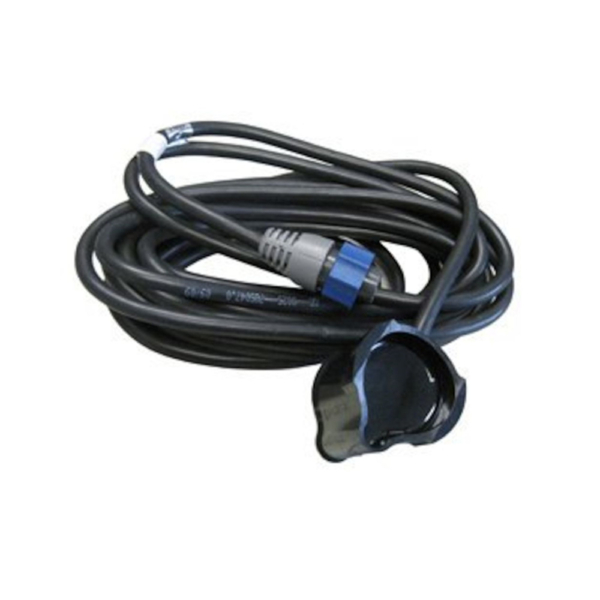
For transducers like the Lowrance 83/200 kHz Shoot Thru Skimmer, you need to consider the cone angle it operates at. This tells you the width of the beam emitted into the water from your vessel. When the cone is wider, this means that it can cover a large area underwater – allowing you to better see potential catches. Cones typically range from 9 degrees to more than 60 degrees.
Conventional transducers typically have one beam. But with more advanced transducers, they can emit more than one cone from a single point, which can cover more areas underwater. Advanced transducers with multiple beams are ideal for navigating through large bodies of water.
2. Display Screens
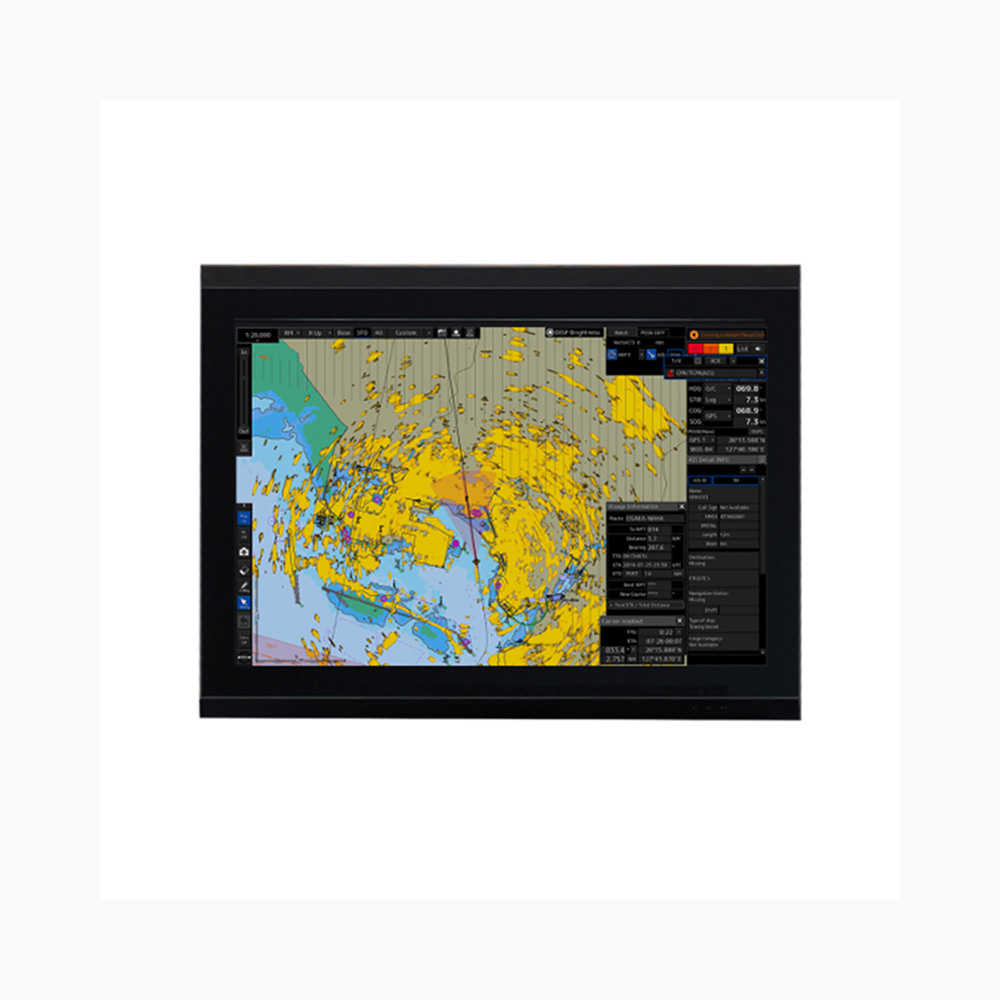
Newer display screens make use of split-screen modes which can reflect both the chart plotter and fishfinder screens. This makes it easier to handle navigation and fishfinding at the same time, especially with a larger screen like the JRC AlphaScreen 26-inch. Tecomart has multifunction displays and GPS Chart Plotters of various sizes that you can choose from.
3. Radar
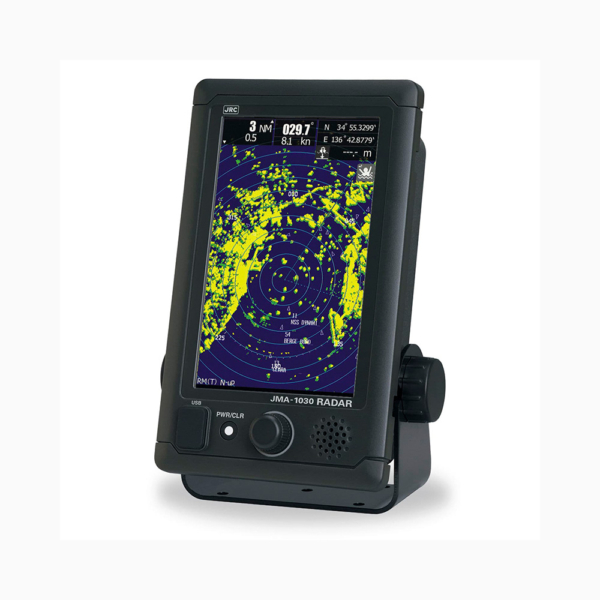
Getting a high-tech marine radar that’s within your budget can make navigating or fishfinding through deep waters much easier for your vessel. While fishfinders can detect and display the specific location of schools of fish, a more general marine radar like the JRC JMA-1030 makes it easy to locate your vessel within the wider surroundings. Find more marine radars for sale online.
Tecomart – Your Trusted Supplier of Marine Navigation Equipment
Not only does Tecomart offer high-quality marine navigation equipment, but also marine communication and marine audio equipment for customers in South and South East Asia. We carry a wide catalogue of reputable brands for you to utilise for your hobbies, personal, and commercial interests. Get in touch to find out more.
Amateur radio has been a niche hobby for decades and still continues to attract new enthusiasts today. Before you dive into the hobby you might be wondering: what type of amateur radio equipment suits you best?
The 2 most common amateur radio types amongst enthusiasts are ham radio and Citizen’s Band (CB) radio. Both types can be used for amateur communication with other enthusiasts around you or around the world, outdoor communication, and even emergency communications during a crisis.
Ham radio is an amateur radio station that uses frequencies allocated by a national governing body to allow users to have two-way communication. In India this is the Wireless Planning & Coordination Wing (WPC) under the Ministry of Communications. Due to this, users require an accredited license in order to operate ham radio.
What is CB Radio?
Citizen’s Band (CB) radio is a type of land mobile radio service used worldwide that allows for two-way communication across short distances. Unlike ham radio, CB radio users are only able to operate within a much smaller range of frequencies and only 1 user can talk on a channel at a time. CB radio does not require a license to operate, and CB radio sets tend to be more affordable than ham radio sets.
Differences between Ham and CB Radio
1. Frequencies and distance
The biggest difference between ham and CB radio is the frequencies a user can access.
Ham radio has the widest frequency range compared to other amateur radio equipment, at 1.8-1300 MHz with estimated base ranges of over 80 km and handheld ranges of 32 km. Find out more about basic ham radio equipment features.
In comparison, CB radios operate on 40 distinct channels with frequencies ranging between 26-28 MHz. These channels are determined by the respective national governing bodies, although most countries adopt the channels and frequencies standardised by the USA. The range of a CB radio can extend between 5km to 32km depending on factors such as terrain or line of sight.
2. Usage
If you want to communicate across much longer distances then ham radio is the right fit for you. Ham can only be used for amateur radio communications between individuals, but there are still vibrant communities of enthusiasts around the world using this method to engage with other operators.
CB radio is a better fit for shorter, straight-to-the-point, mobile communication as well as semi-commercial use. This can include communication with fellow operators in your region or staying in contact with loved ones while you are outdoors or at sea (within your radio’s operational range). CB radio is popularly used by truckers or drivers who are frequently on the road to exchange essential and critical information about directions or traffic.
Both ham and CB radio can be used in emergency situations but their respective ranges of frequencies might affect the extent to which you can contribute or help with emergency responses.
3. Ease of use
Becoming a ham radio operator requires an official government license, whereas you do not need a license to operate CB radio. Both types of equipment can have a steep learning curve when you first begin the hobby, but there are many online communities for amateur radio operators that can help you learn the basics.
Buy Reliable Amateur Radio Equipment Online
If you’re interested in exploring the world of amateur radio communication – whether through ham or CB radio – Tecomart is the ideal supplier for your needs. We are a trading company specialising in selling marine and outdoor communication-related products. Our extensive catalogue features a wide range of high-quality products from recognised communication and navigation brands such as Raymarine, Furuno, Standard Horizon, and more.
Whether you need a handheld VHF or digital SDR transceiver, we have what you need to enjoy your hobby or profession. In addition to all kinds of amateur radio equipment you can use on land or at sea, we also offer navigation instruments such as GPS receivers and radars for marine vessels.Find out more in our FAQs or get in touch with us.
Fishfinders and echo sounders are tools used to find the location of marine life underwater, navigate a boat safely through choppy waters, and locate fish. In other words, they are an essential piece of marine navigation equipment for amateur and commercial fishermen alike.
Though both types of equipment fulfil a similar task, there are some differences in how they work. Fishfinders use sonar to locate fish in the water ahead of, behind, or around you, whereas an echo sounder locates fish or other objects directly below your vessel.
Both use sonar-based technology which is then processed and displayed by your ship’s transducer and onboard computer, showing what is underneath or surrounding your boat’s hull.
If you are in the market for a fishfinder or echo sounder, it is important to be clear about what you need and understand the unique features and benefits of each product before buying one. Apart from the size of the device, here’s what you need to know about choosing the right one for you:
Technology
Fishfinders and echo sounders can be further divided into sub-types depending on the technology used. Each type of nautical navigation equipment offers a slightly different perspective on the underwater world, and this information is best combined to give you a comprehensive view.
Traditional 2D Sonar VS CHIRP Technology
Devices that use traditional 2D sonar utilise sound waves to map underwater objects from above, which makes it ideal for locating fish like mackerel or herring. This can be useful in identifying large schools or shoals of fish but may be limited in displaying a 3D image of what’s below your ship.
Compared to traditional sonar that uses a single frequency to scan for information, Compressed High-Intensity Radiated Pulse (CHIRP) technology continuously sends out low to high frequencies. This enables you to receive a much stronger image with better quality and detail definition. There are many advantages of CHIRP technology and most fishfinder brands today use CHIRP in their devices, such as the Raymarine Echo Sounder / Fish Finder CP100 DownVision (E70204).
Down VS Side Imaging Sonar
Down imaging sonar uses high frequency sonar waves to identify and represent what’s ‘down’ below your hull. These high frequency waves usually result in high-quality details.
Side imaging sonar uses the same technology, but positioned to the sides of your vessel. This lets you cast a sonar ‘net’ around your vessel, letting you have a clear view of what surrounds you. There are advantages to both down and side imaging sonar.
Live VS Recorded Sonar
Live sonar displays data as it happens but usually has a limited range. Recorded sonar stores and displays data on a slight delay, which can be useful in viewing a larger range of information.
Power and Frequency
The power of your fishfinder or echo sounder is measured in Watts (W). The higher the wattage rating, the louder and more powerful your device tends to be. While a more powerful wattage might be good for imaging, keep in mind that a device that is too loud could spook any fish around – affecting your overall catch.
Apart from its power level, you’ll also want to see what frequencies the device uses. The higher the frequency, the more accurate a reading you’ll get on your display. Some devices are also capable of using multiple frequencies to enhance the range and quality of their data:
Single-Frequency Mode: If you’re fishing in shallow water a single-frequency fishfinder might be sufficient for your needs.
Multi-Frequency Mode: Devices with multi-frequency modes will provide better quality imaging for depths of 30m and deeper.
Dual-Frequency Modes: Dual-frequency mode means a device uses two frequencies simultaneously – usually one above 800 kHz and one below 1000 kHz – for more accurate readings. These devices also penetrate turbulent waters better than single-frequency modes.
Other Features
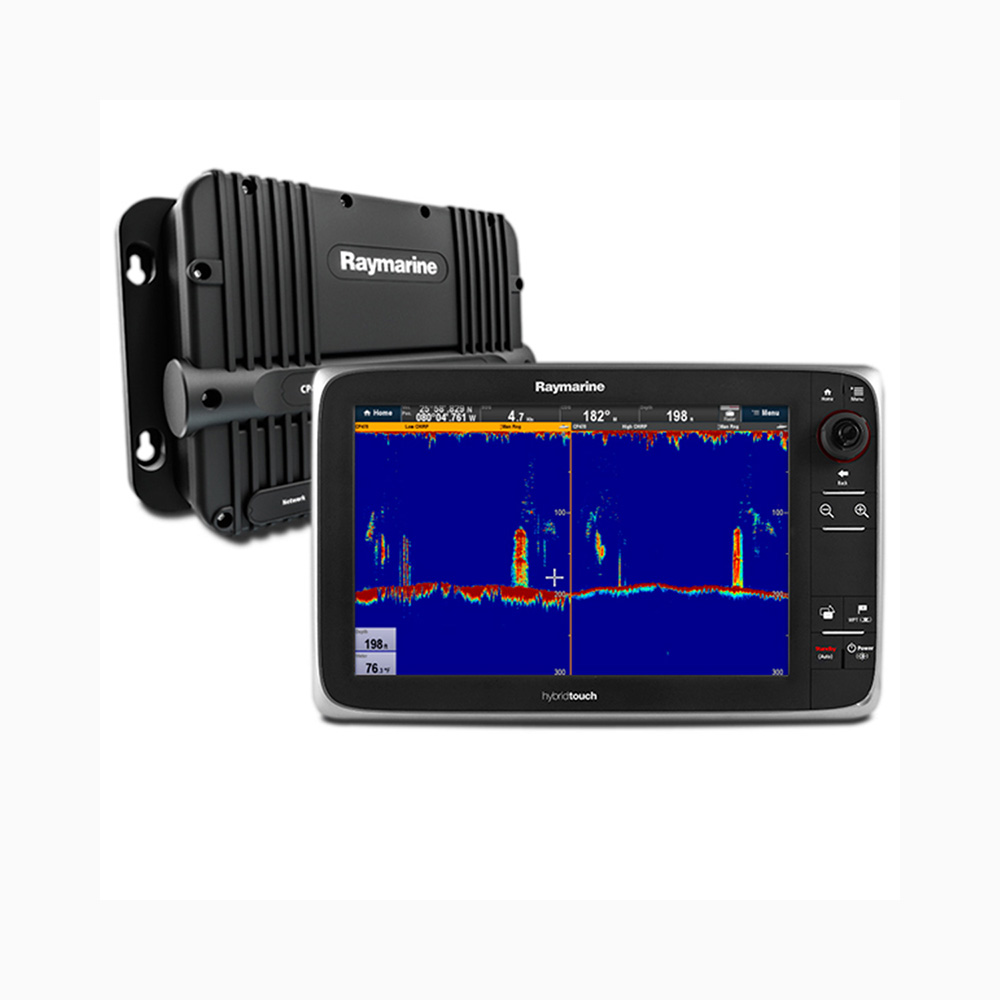
Other features to look out for in a fishfinder or echo sounder include mapping/GPS capabilities to help you navigate, and touchscreens or buttons for convenience and ease of use. For example the Raymarine Echo Sounder / Fish Finder CP470 Clear Pulse (E70298) comes with Raymarine’s LightHouse II powered multifunction display screens that allows you to view information in full or split screen sonar windows.
Purchasing from a Reliable Marine Navigation Equipment Supplier
Tecomart has been a trusted marine navigation equipment supplier for decades and supplies a wide range of products for nautical use including fishfinders and echo sounders. Find out more about is in our FAQs or contact us for more information on our products.
Amateur radio has been a popular niche hobby for decades, with ham radio and Single Sideband (SSB) radio being two of the most popular equipment types. Many hobbyists use amateur radio as two-way communication for personal use or during emergency and disaster relief situations.
If you wish to start using amateur radio in India, you will need to get two things: an amateur radio licence from the Wireless Planning & Coordination Wing (WPC) under the Ministry of Communications, and your own amateur radio equipment.
Here are some of the basic features of amateur radio equipment you need to know:
What is the difference between ham radio and SSB radio?
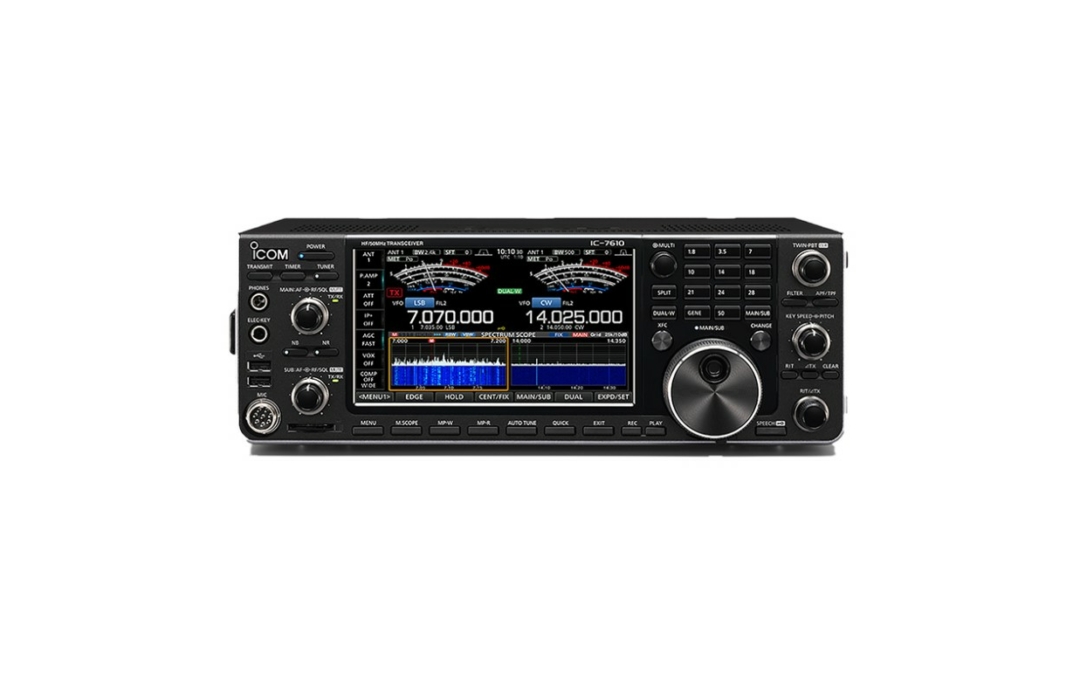
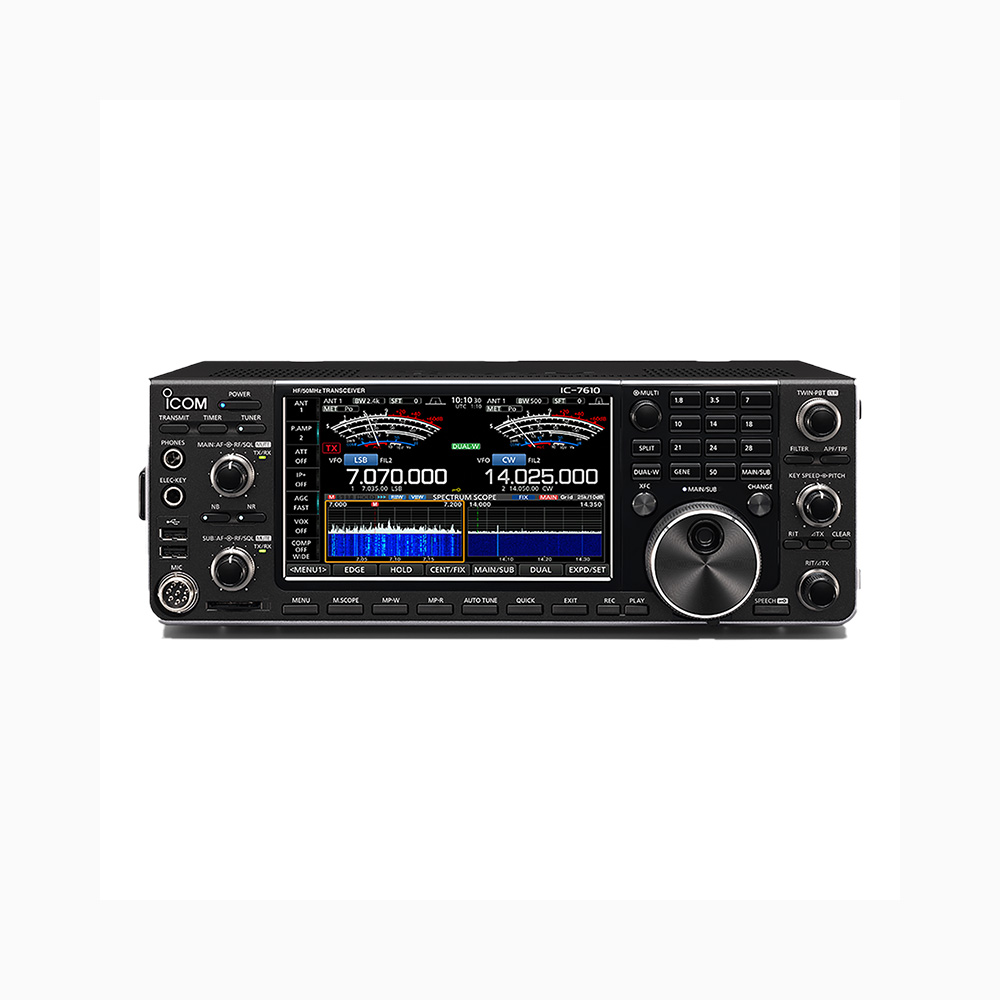
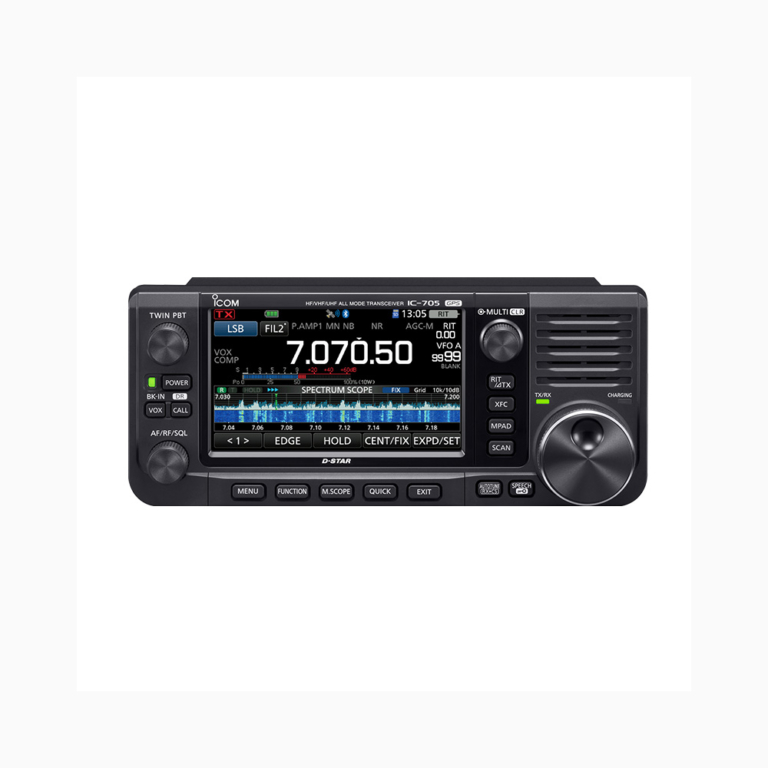
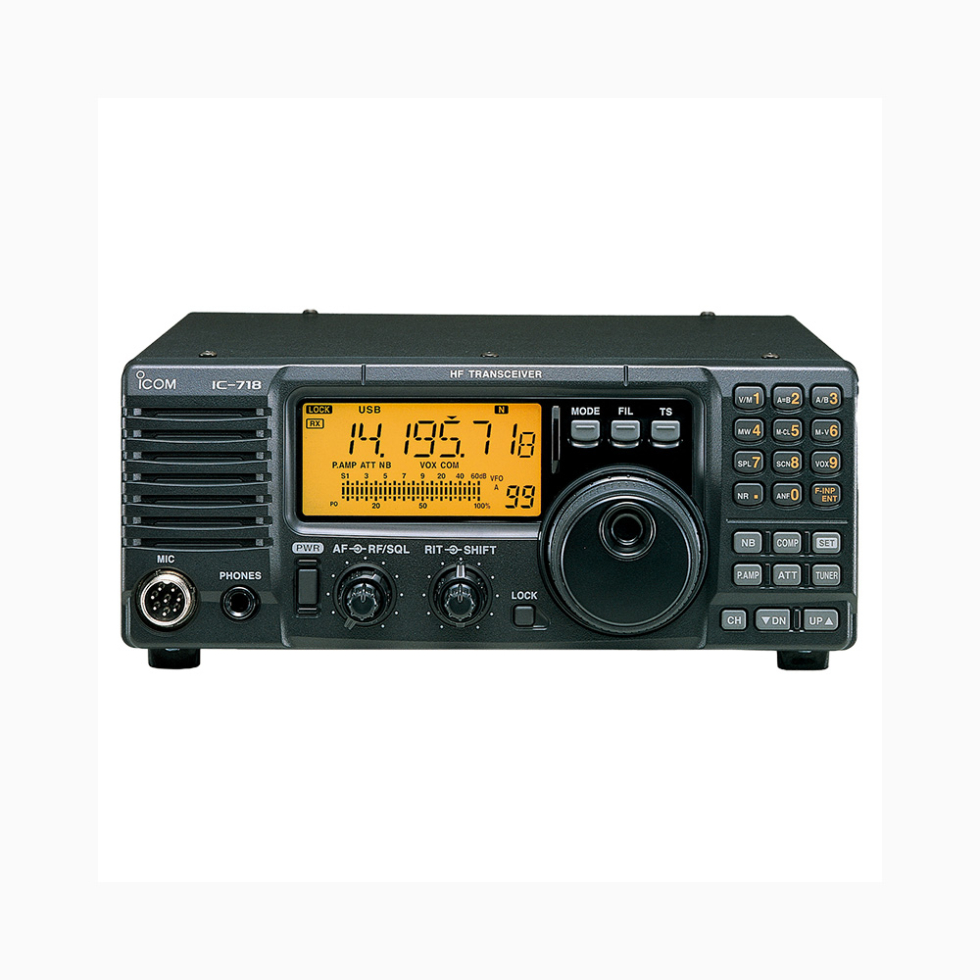
Ham radio equipment like the ICOM IC-705 has the widest frequency range (1.8-1300 MHz) with estimated base ranges of over 80 km and handheld ranges of 32 km. This makes it useful for long-distance communication as well as in disaster situations such as searching for lost hikers in the wilderness.
Radio communications make use of AM transmissions, which have two frequency types: Lower Sideband (LSB) frequencies below 27.185 MHz, and Upper Sideband (USB) frequencies above 27.185 MHz.
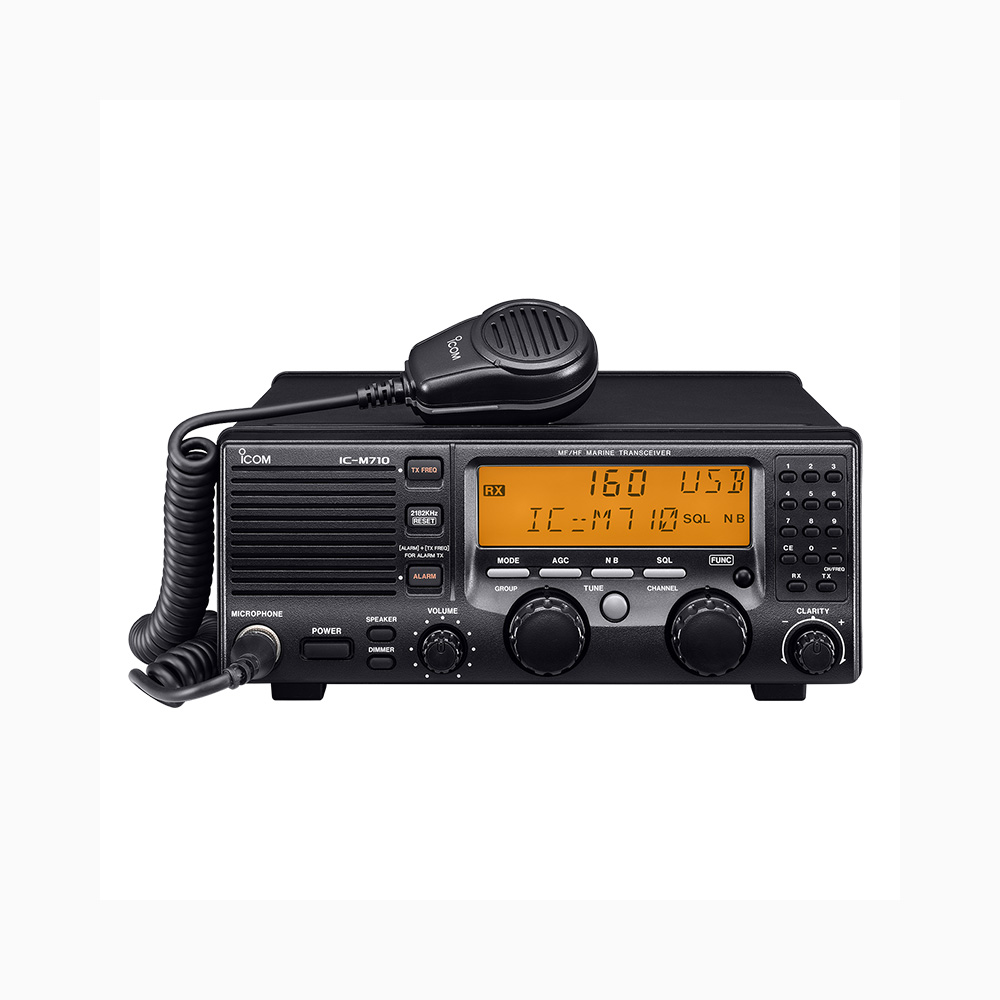
Single sideband (SSB) radio kits like the ICOM IC-M710 use – as their name suggests – just one of the AM sidebands available. This results in less bandwidth usage and allows the user to access a wider range of frequencies within that band without interference. However users are still limited within their selected sideband. Ham and SSB radio equipment may also overlap in terms of frequencies accessed.
As SSB operates on a narrower bandwidth the sound quality of the call will be a little weaker compared to ham radio – however SSB is still a viable option for basic amateur radio communications.
While ham radio frequencies can typically be tuned with a knob, marine SSB kits in particular may have certain preset channels they can be easily tuned to. This makes them more user-friendly for usage out at sea especially as users also do not necessarily need an official license to operate SSB radios.
Overall both ham and SSB radio have their benefits and disadvantages depending on the use case. Ham radio is the more flexible option for amateur radio communication, but SSB radio can still be useful in work or commercial settings where basic communication needs to be assured.
Using SSB radio
1. Connect radio and antenna
Attach and adjust your antenna to access the proper SSB radio signal.
2. Adjust “Squelch”
The “Squelch” knob on an SSB radio helps determine how strong a signal needs to be before you can clearly receive it and is the most crucial SSB radio control. The higher the Squelch, the stronger a signal needs to be before you receive it.
3. Set appropriate frequency
Set the frequency to channel 19 for SSB communications and adjust accordingly until the signal is at its lowest pitch.
4. Adjust volume
Adjust the volume accordingly to prevent shouting. The universal way to get started is to push the transmitter button, say ‘Break’, and then wait a minute or two before entering the conversation.
Using Ham Radio
1. Set Receive Frequency and Transmit Offset
The Receive Frequency and Transmit Offset settings help you find new stations in your area and ensure you hear what’s being transmitted (without additional background noise). You can also use the Variable Frequency Oscillator (VFO) and Memory Modes to choose which channel to listen to and what information is transmitted.
2. Adjust subaudibe tones
Subaudible tones include clicks, beeps, or other sounds when someone is transmitting information through Morse code. You can toggle this setting on or off depending on what you need or want to hear.
3. Toggle background noise
The Digital Squelch System (DSC) prevents noise from interfering with your ability to hear transmissions clearly on your radio system. Turn it off or on as needed.
4. Communicate
Press the Push To Talk (PTT) button when talking into the microphone to begin speaking into the transmitter and sending your voice through airwaves as radio waves. Release the PTT button when finished speaking so others can talk. Common ham radio etiquette is to wait until another speaker finishes what they have to say before speaking.
Get Reliable Amateur Radio Equipment at Tecomart
Since 1994, Tecomart has been providing reliable amateur radio equipment, marine navigation equipment, and marine communication equipment to clients across the globe. Our range of amateur radio equipment ranges from handheld transceivers to SSB radio kits to amateur ham radio accessories.
Contact us for more information or visit our FAQs to learn more about our products and delivery services.
While many of us typically rely on handphones or smartphones to communicate with those around us, there are certain situations where you may not be possible to get any cell phone coverage at all – rendering even the most high-tech smartphones useless.
That’s where radio communication equipment comes in to bridge this essential communication gap. Whether on land or out at sea, having the right radio communication equipment is key to keeping yourself as well as your colleagues, crewmates, or even loved ones safe.
In an emergency situation where cell phone coverage is down or extremely weak, radio communication is still possible via the nearest radio tower connection. In other words, a reliable radio could make all the difference between life and death in an emergency situation.
Here’s a quick overview of some radio communication equipment available for land and sea use:
Radio Communication on Land
There are many equipment options for radio communication on land, some of which may require a radio licence. These equipment can be used for personal or emergency communications.
1. CB Radio
Citizen Band (CB) radio is an amateur radio communication equipment that is more useful over shorter distances, such as picking up nearby emergency or distress signals.
2. Ham radio
Ham radio is popular for off-grid communication, but usually requires some degree of training ending in an accredited licence. However once you receive your licence, you will also get a unique identification call sign enabling you to conduct two-way communication with emergency and ham radio frequencies. There are several types of ham radio transceivers each of which have their own benefits and drawbacks:
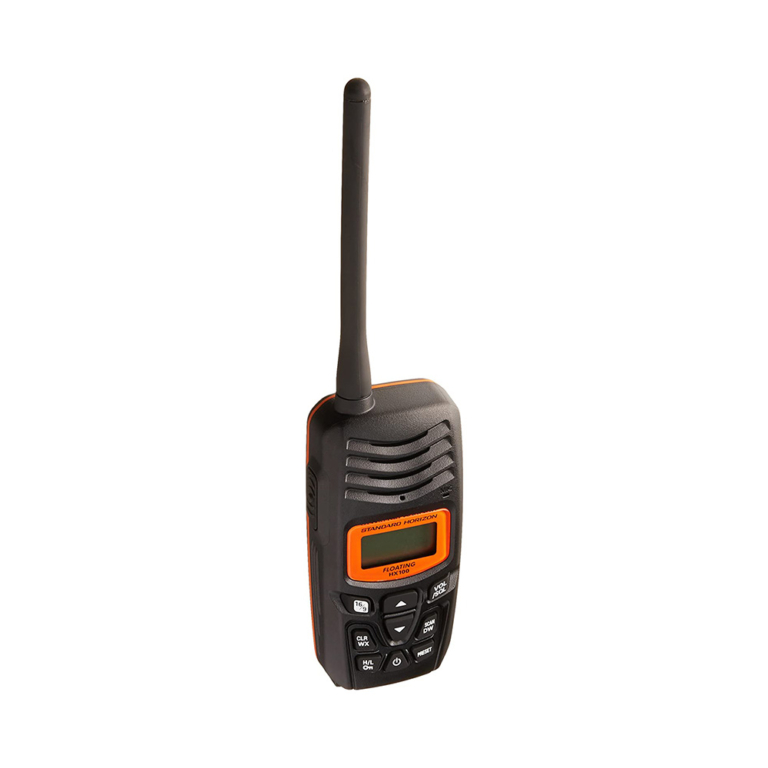
Handheld transceivers: Similar to a walkie-talkie and good for outdoor use, but with limited range and functionality.
Mobile transceivers: Small and typically installed in vehicles such as cars or trucks, but loses signal quickly when removed from vehicle.
Handset transceivers: Similar to Land Mobile Radio with a ‘walkie talkie’ look. More compact and portable than mobile transceivers, but with limited range. UHF handheld radios like the ICOM IC-F2100D are suitable for urban environments as they can best penetrate buildings.
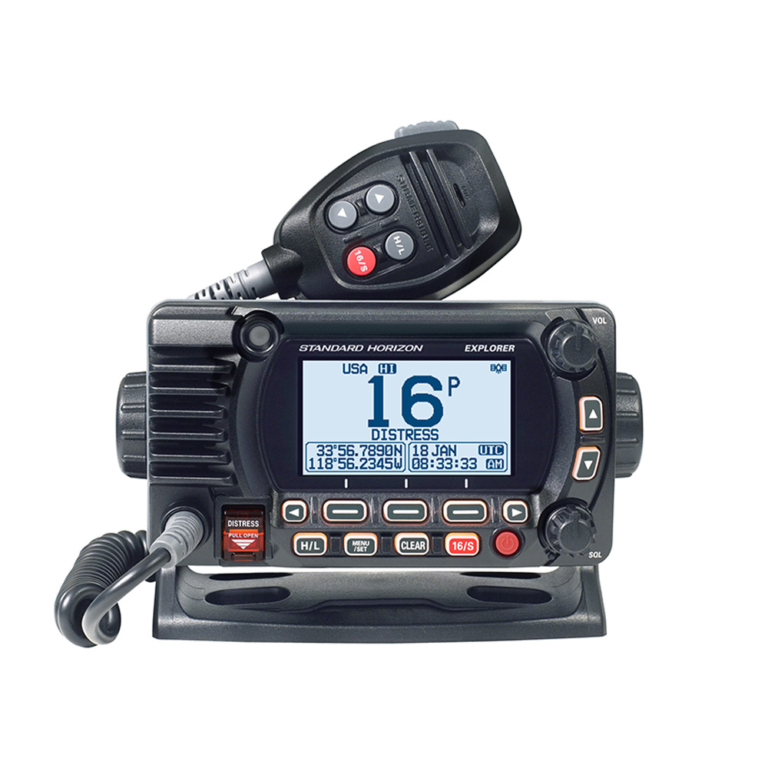
Very High Frequency (VHF) radios like the ICOM IC-M330 or ICOM IC-M37 are a great tool for radio communication on the water. They are perfect for distress and safety signals, ship-to-shore communication and other calls to shore, navigation, and NOAA weather channels.
Single sideband (SSB) radios work by transmitting high frequency (HF) waves that span a larger distance than lower frequency (LF) signals. These HF frequencies have longer wavelengths than VHF transmissions, meaning SSBs can cover thousands of miles. The range and quality of your SSB signal depend on the antenna’s length and radio set-up.
SSB radios complement VHFs, and are not a replacement for VHFs.
3. GMDSS
The Global Maritime Distress and Safety System (GMDSS) is a worldwide communication network between ships, shore stations, and aircraft in an emergency. It enables ships to alert other vessels or shore authorities during emergencies, coordinate search and rescue expeditions, or provide general and safety-specific broadcasts as well as bridge-to-bridge communication.
Our customers have trusted Tecomart as a reliable radio communication equipment supplier since 1994. We provide the best communications products and solutions for our customers so that you can remain safe and connected whether on land or out at sea. Get in touch for more information on our products and services.